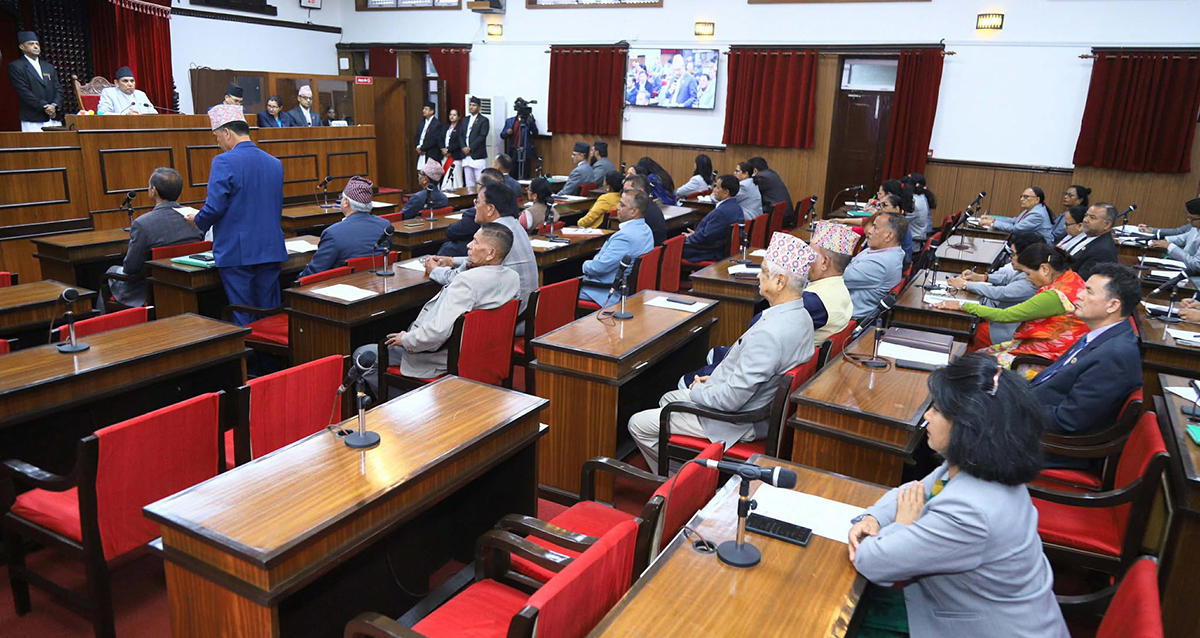



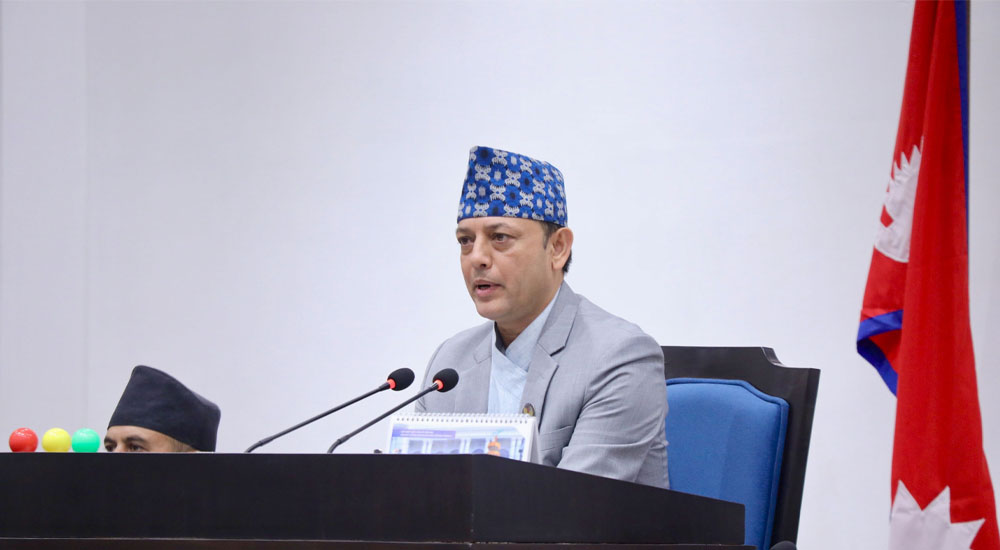
KATHMANDU: The House of Representatives is set to elect a new Deputy Speaker on April 10, following a decision announced by Speaker Dol Prasad Aryal during Wednesday’s meeting.
The election process, initiated under Rule 8(2) of the House of Representatives Rules, 2022, comes after the position remained vacant following the formation of the new government and the earlier election of the Speaker. The Federal Parliament Secretariat is expected to publish a detailed election schedule, with voting to determine the new Deputy Speaker.
During the session, lawmakers raised a range of pressing national concerns. Rastriya Swatantra Party (RSP) lawmaker Prakash Pathak criticised frequent curriculum changes, stating that parents are being unfairly burdened.
He noted that despite a government decision to waive admission fees, families of nearly 2.4 million students are spending an average of Rs. 5,000 annually on textbooks. Pathak also highlighted widening disparities between community and private schools, calling for uniform standards in curriculum and dress to reduce inequality in the education system.
Similarly, MP Lima Adhikari urged the government to prioritise the revival of closed and dilapidated industries, including historic establishments such as the Biratnagar Jute Mill. Welcoming recent government announcements, she stressed the need for implementation, arguing that reopening industries would generate employment and stimulate economic growth. She also underscored the importance of good governance and accountability, noting that the public now expects tangible results rather than assurances.
Concerns over corruption and public health were also raised prominently. MP Rajib Khatri alleged large-scale irregularities in the pricing of medicines, claiming that billions of rupees had been embezzled through unlawful price hikes. He pointed to increases of up to 33.99 per cent in several pharmaceutical products and criticised delays in investigations by oversight bodies. Emphasising the financial burden on citizens, he warned that high medical costs are pushing vulnerable populations away from essential treatment.
Lawmakers also highlighted a variety of regional and sectoral issues during the zero hour. These included demands for land rights and rehabilitation for marginalised communities, improved disaster risk management ahead of the monsoon, better road and transport infrastructure in remote districts, and expanded access to healthcare services, particularly in underserved areas such as Achham.