


KATHMANDU: In a significant step towards bringing millions of workers currently outside formal safety nets under social protection throughout their life cycle, Nepal has launched a National Campaign on Social Security for Informal Workers and the Self-Employed.
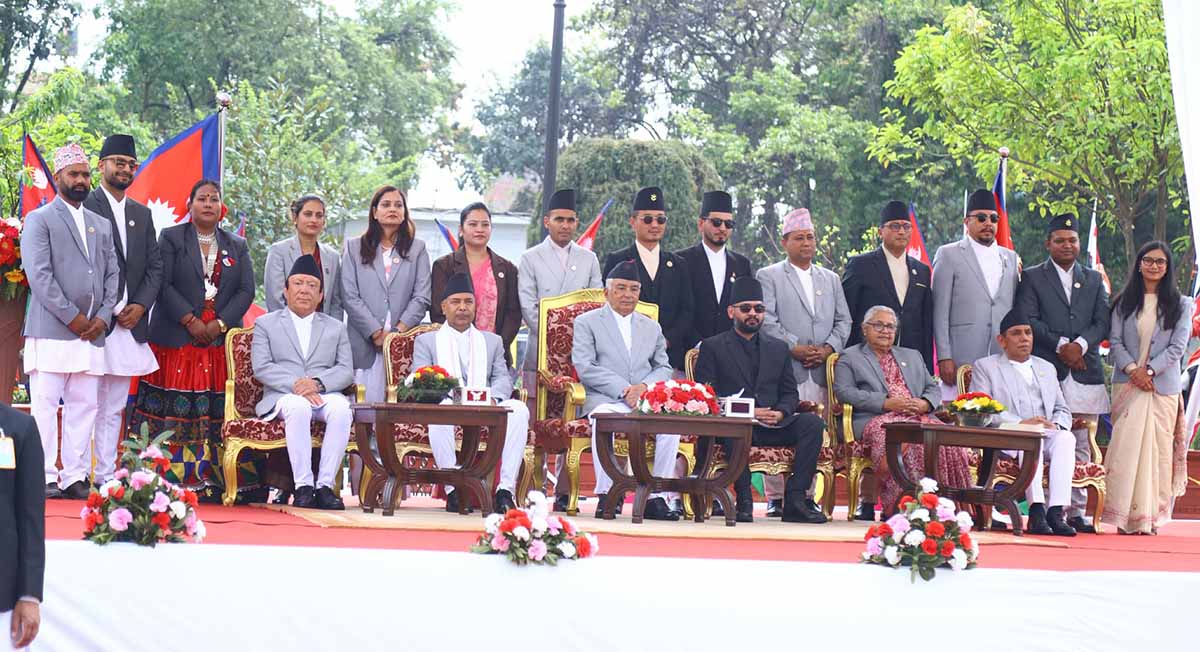
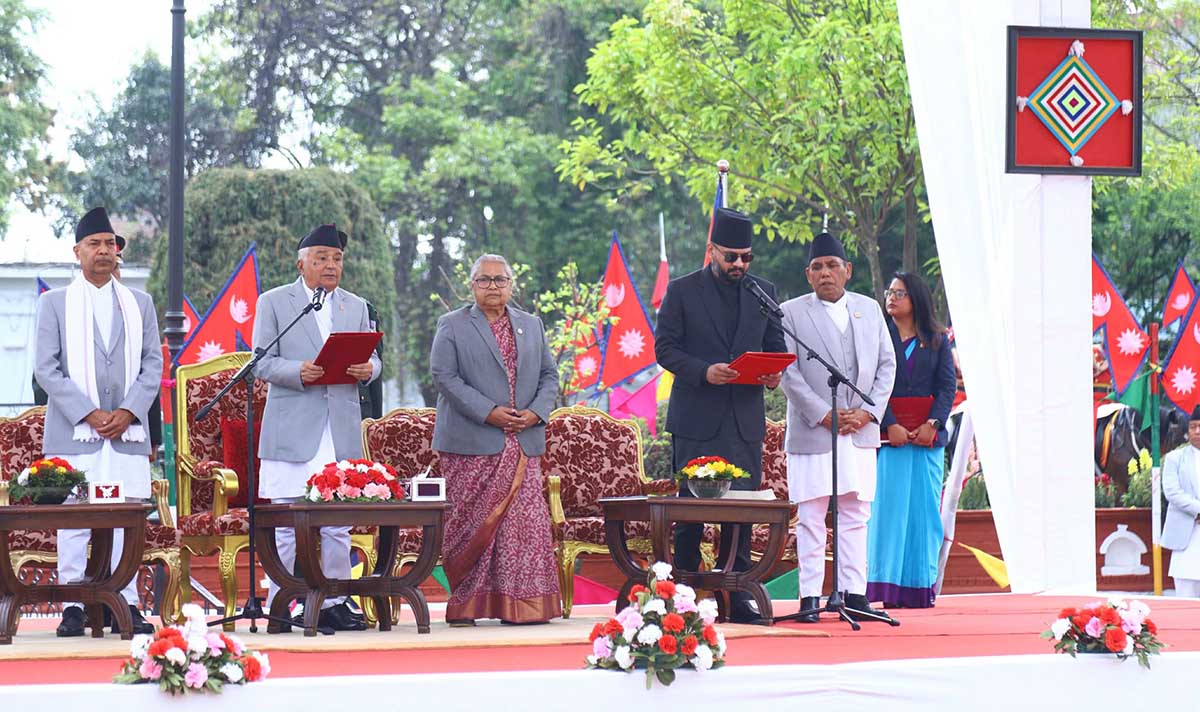
The Ministry of Labour, Employment and Social Security (MoLESS), Social Security Fund (SSF) and International Labour Organisation (ILO) in Nepal launched the campaign at a programme organsied in Kathmandu on Wednesday.
The scale of the challenge is substantial. More than 86 per cent of Nepal’s workforce is engaged in informal employment, with women disproportionately affected. Over 90 per cent of employed women work in the informal sector, often without access to maternity protection, health coverage, or income security in old age.
Although nearly 2.7 million workers are registered with the SSF, participation by informal workers and the self-employed remains strikingly low. Only around 1,500 individuals from these groups are currently enrolled, exposing a major inclusion gap in the country’s social protection system, informed Kabi Raj Adhikari, Executive Director of the SSF.
According to the SSF, the campaign brings together government institutions, employers’ and workers’ organisations, local governments, civil society and the media, with the aim of expanding social security coverage to those most in need.
Speaking at the event, Minister for Labour, Employment and Social Security Rajendra Singh Bhandari described social security as a protective shield. “No matter how heavy the rain, what matters is how strong the umbrella is. Social security should act as that protective armour,” he said, warning that weak systems could lead to social unrest, conflict and forced migration.
According to him, the government must be proactive in addressing the demands and concerns of the public since if social security issues are not addressed comprehensively, it may fuel unrest and conflict and youth outmigration could also increase.
Minister Bhandari expressed concerns over the recent trend in youth who do any kind of job in foreign countries but don’t take up the same jobs in Nepal. “They have a tendency to put forth their demands but not to contribute to work and development,”
he said.
Numan Özcan, ILO Country Director for Nepal, said the initiative was grounded in the principle of inclusion. “This campaign is about ensuring that no worker is left behind. Social security is fundamental to equity, economic resilience and inclusive development,” he said.
The campaign places a strong emphasis on women workers. For many women in informal employment, the absence of social security can determine whether maternity leads to protection or loss of income, whether illness results in treatment or debt, and whether old age brings dignity or dependence, read a joint statement issued by the SSF and ILO.
In recognition of these challenges, the campaign is supported through European Union funding under the Women’s Empowerment Programme (EWPN). The support aims to strengthen women’s economic agency and reduce vulnerability across generations.
Jose-Luis Vinuesa-Santamaria, Head of Cooperation at the EU Delegation to Nepal, said social security was both a right and an investment. “Social security is deeply rooted in Europe’s own social model. The EU affirms that workers have the right to social protection regardless of the type and duration of their work,” he said.
Nepal has already laid a strong legal foundation through its Constitution and the Contribution-Based Social Security Act of 2017. Effective social protection coverage has increased from 17 per cent in 2021 to 21 per cent in 2023. However, challenges related to adequacy, awareness and inclusion persist.
Under the government’s 16th Development Plan, Nepal aims to expand social protection coverage to 60 per cent of the population and significantly reduce informality by 2028.
Labour Secretary Dr. Krishna Hari Puskar underscored the broader principle behind the initiative, stating that “social security is not a luxury but a human right”.
The campaign is said to focus on strengthening the role of local governments in identifying and enrolling informal workers, operationalising contribution subsidies through better coordination, raising public awareness, enhancing digital systems such as ILMIS and OpenIMIS, and building stronger partnerships across government, civil society and social partners.