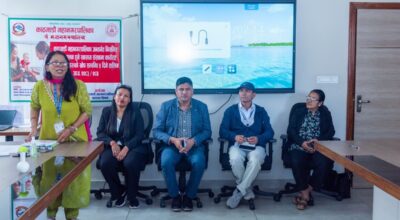


KATHMANDU: A pilot project titled ‘From Access to Agency: AI Literacy to Reduce Inequalities in Nepal’ has concluded in Lalitpur Metropolitan City-2.
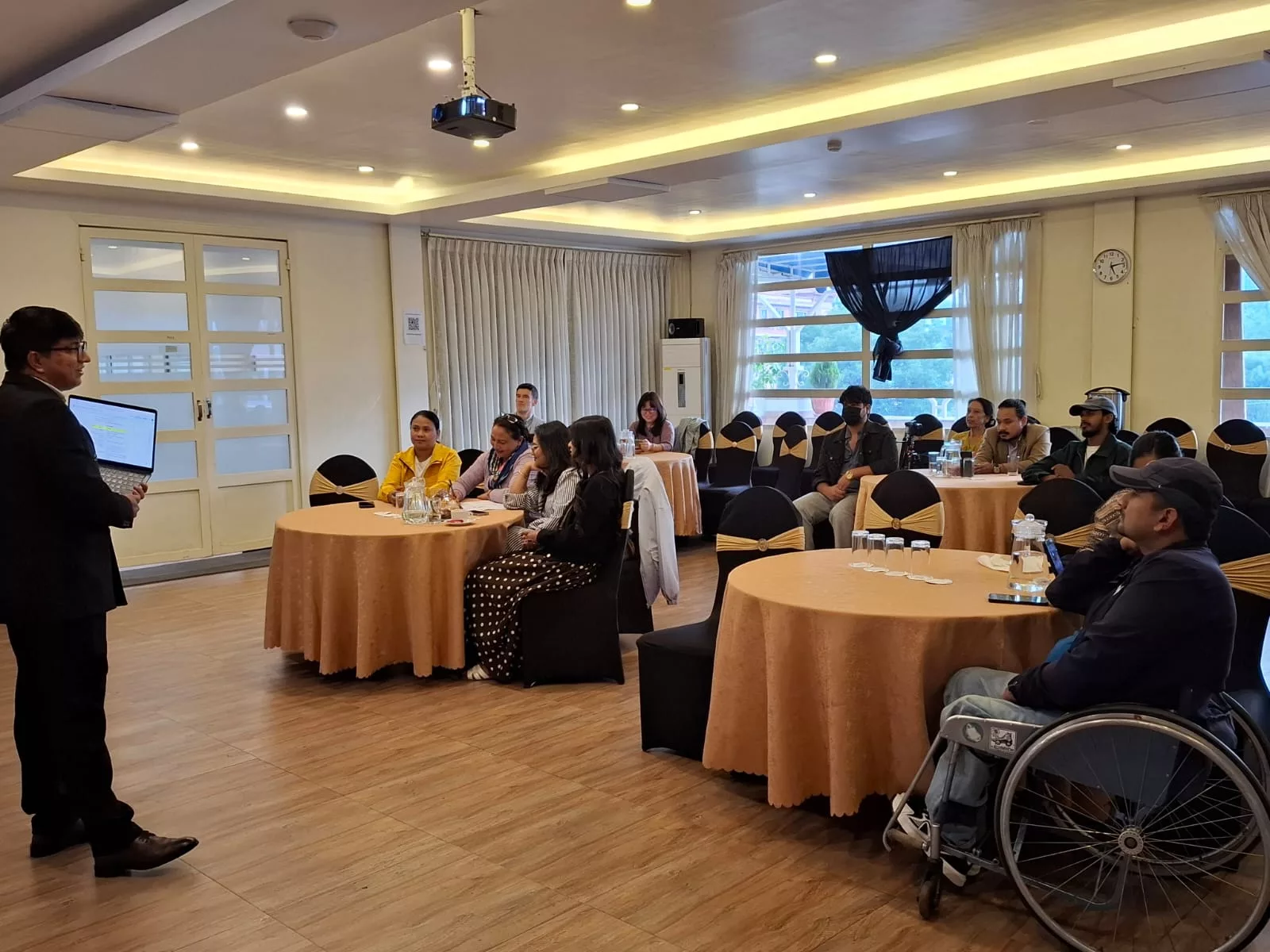
Participants, local government representatives, and civil society partners gathered at the Shangri-La Blue Hotel on Friday to review the outcomes and lessons learned from the initiative.
The community-based project aimed to empower citizens and local government stakeholders in the practical, responsible, and inclusive use of artificial intelligence.
Organizers stated that the program helped participants develop a deeper understanding of AI technology, its applications, limitations, and the ethical considerations surrounding its use. Participants shared personal experiences regarding how AI tools have influenced their work, learning processes, and community engagement.
The program included group discussions that resulted in recommendations for policymakers, educators, and development workers. These suggestions are expected to support future efforts in expanding digital inclusion, preparing for AI integration, and enhancing local capacity. Speakers emphasized that access to technology is insufficient on its own, stressing the need to create an environment where individuals can use these tools with confidence and informed decision-making skills.
A representative from the International Inequalities Institute at the London School of Economics and Political Science (LSE) noted that AI literacy is becoming essential as technology increasingly impacts social, economic, and administrative systems. “We must move toward digital transformation by keeping people, inclusion, and public values at the center,” the representative stated.
The project was supported by the Atlantic Fellowship for Social and Economic Equity. Key contributors to the project’s success included Lalitpur Metropolitan City-2, local residents, journalists, and United Nations Volunteers (UNV). Project coordinator and UN online volunteer Jayaraj Kumar Roy Danuwar said the initiative has helped expand knowledge, skills, and responsible AI practices within the local community. The findings and policy recommendations from the project are expected to provide a foundation for future digital inclusion programs at the local level.