

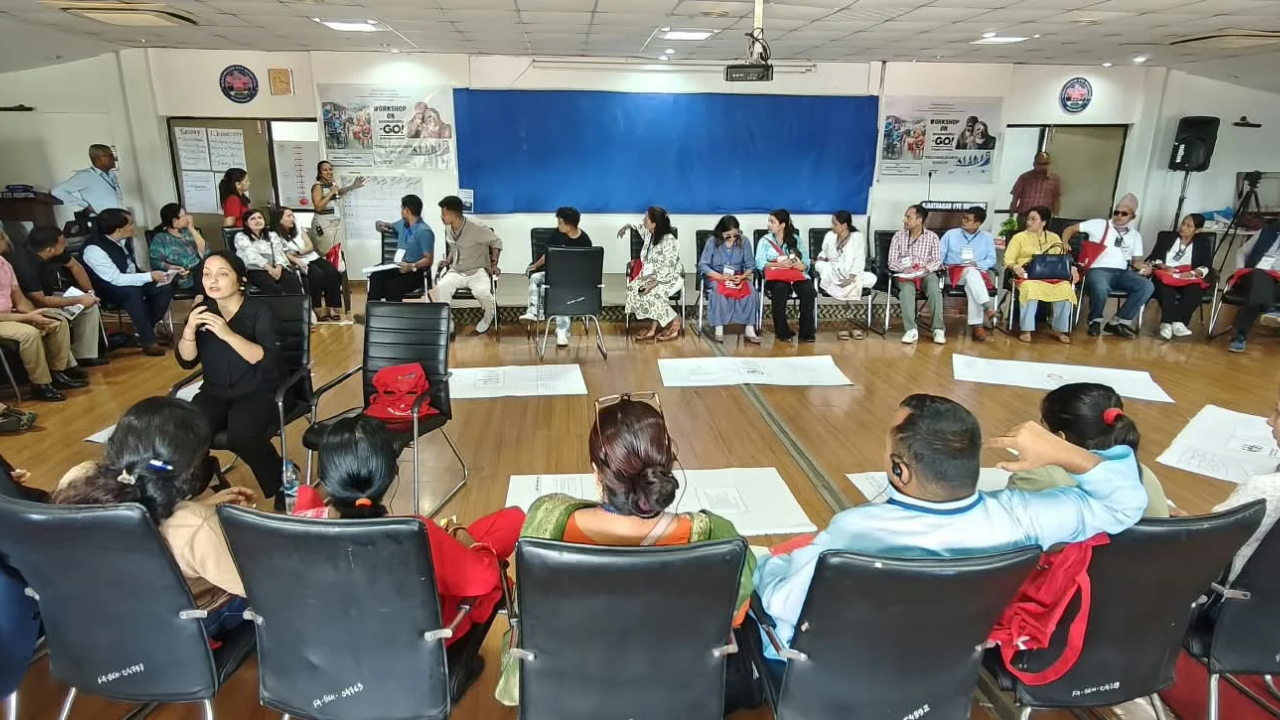
KATHMANDU: Participants at a workshop that began in Biratnagar, Morang, on Tuesday have stressed the need for greater collaboration to ensure more accessible and inclusive eye health services in Nepal.
A five-day workshop on ‘Accessibility GO! A Guide to Action’ is being organized by the Nepal Netra Jyoti Sangh and Lahan Eye and Ear Care System with support from the CBM Global.
A total of 43 participants representing organizations of persons with disabilities (PWDs), government agencies, eye health institutions and development partners from across the country are attending the workshop.
According to a statement issued by the Sangh, the workshop will identify barriers faced by PWDs in accessing health services and explore practical solutions to address them.
‘Accessibility GO! A Guide to Action’, developed by the World Blind Union and CBM Global, is a practical guide aimed at helping eye health institutions become more accessible and inclusive.
The guide covers accessibility in physical infrastructure and facilities, administrative procedures, service delivery and public communication.
During the workshop, participants will discuss how to implement seven accessibility commitments outlined in the guide in line with local needs and circumstances.
They will also learn about a three-step process involving assessment, planning, implementation and review.
The workshop is expected to advance advocacy for inclusive healthcare services in line with the spirit of the United Nations Convention on the Rights of Persons with Disabilities, which Nepal has ratified.
It brings service providers and users together to share experiences and identify barriers at different stages of healthcare delivery.
Participants will jointly develop action plans through group exercises, discussions, experience-sharing and peer learning.
Lahan Eye and Ear Care System Executive Director, Sudhir Thakur, asserted that accessibility is not an additional feature of healthcare but a matter of ensuring equal access to health services.
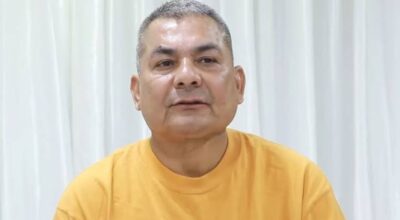
Likewise, Deafblind Association Morang President Krishnamaya Adhikari pressed for incorporating the experiences of persons with disabilities from the planning and design stage itself.
Participants will prepare short-term, medium-term and long-term action plans based on the workshop’s findings and recommendations.
The long-term goal is to institutionalize collaboration among disability organizations, eye health institutions, government agencies and development partners and make accessibility an integral part of healthcare planning, service delivery and accountability, said the organizers.