

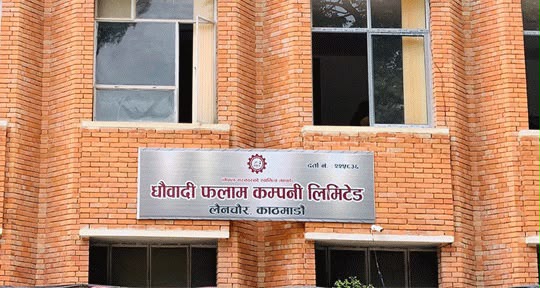
KATHMANDU: Dhaubadi Iron Company Ltd. has prepared a plan to begin commercial extraction and production from the Dhaubadi iron mine in Hupsekot Rural Municipality–5, Nawalparasi.
The company has submitted a plan to the Department of Mines and Geology proposing the extraction of 96 million tonnes of ore from the mine, which covers around 41 square kilometers.
The government has repeatedly announced plans to begin commercial production from the Dhaubadi mine through its annual budgets. However, the project remains in the study, exploration and infrastructure-development phase. Exploration of the mine began in fiscal year 2010/11.
Initial exploration estimated the mine’s iron reserves at around 100 million metric tonnes. A subsequent study conducted by the company with the involvement of senior geologists indicated that the mine could contain more than 150 million metric tonnes of raw iron reserves.
The mining area has been divided into two blocks—Dhaubadi Pokhari and Durlung. The Dhaubadi Pokhari block covers 25 square kilometers, while the Durlung block spans 16 square kilometers.
Shailesh Kumar Thapa, director of Dhaubadi Iron Company, said the company has completed around 1,500 meters of drilling at 12 locations to collect underground iron samples and assess the reserves. Further exploration and extraction work will begin after the proposed plan receives approval, he said.
The company estimates that the mine could produce around 500,000 tonnes of iron products annually once it comes into operation. It expects domestic production to replace around 25 percent of the country’s current imports of iron products.
The project is also expected to support the development of Nepal’s steel industry, create large-scale employment and contribute to the national economy. An environmental impact assessment is currently underway, while preparation of the detailed project report is expected to begin soon.
Infrastructure development around the mine is also progressing, including the upgrading of roads and access facilities. Government agencies hold shares in the company, while 25 percent of the company’s equity is planned for the private sector.
The government has been seeking private investment for the project. Dhaubadi iron mine was showcased as a potential investment project at the third Nepal Investment Summit held in April. The company aims to reduce Nepal’s dependence on imported iron products through domestic production.