

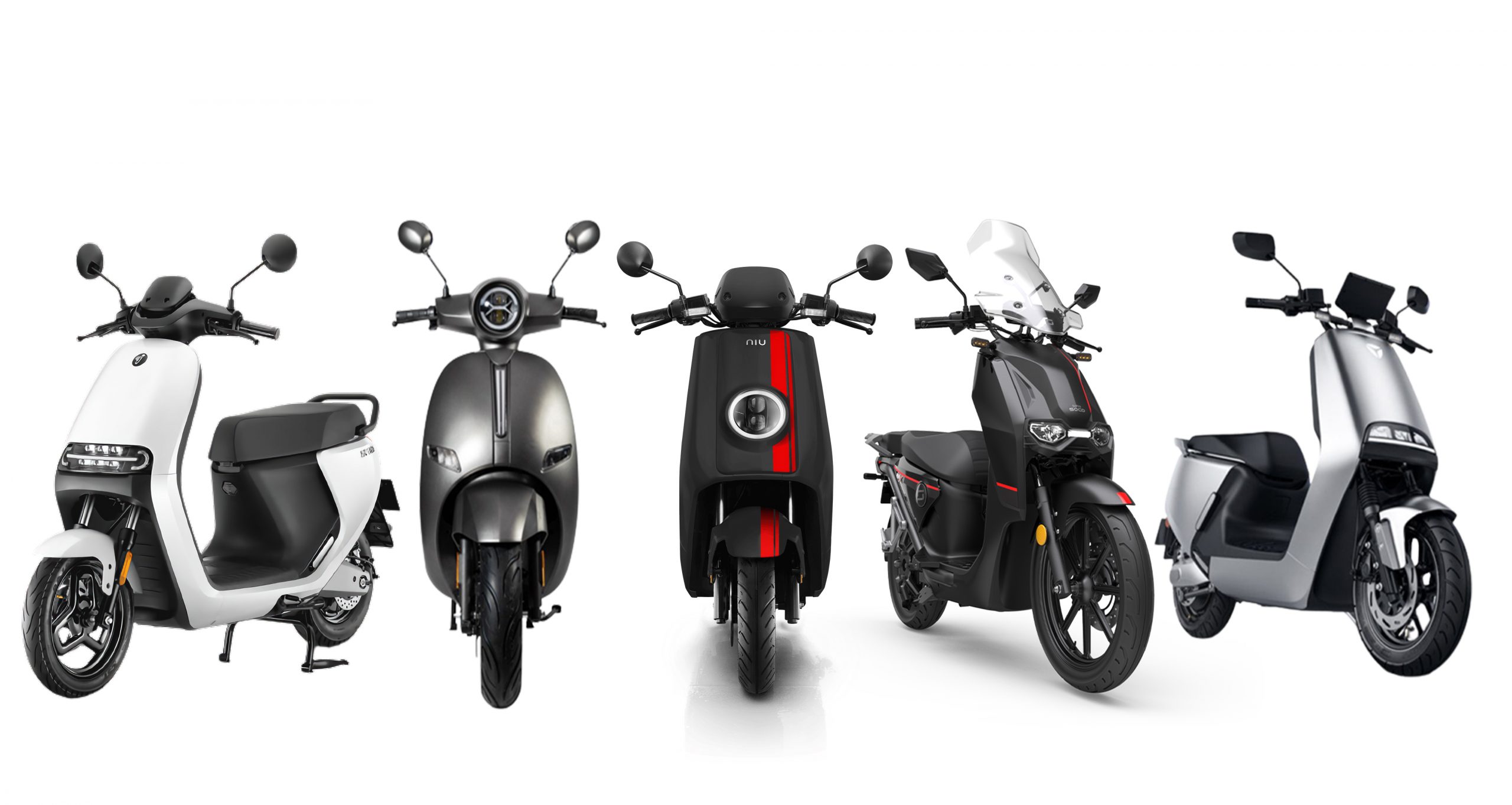
KATHMANDU: Electric two-wheelers are rapidly gaining popularity in Nepal, with rising fuel prices, improving EV technology, lower operating costs and growing consumer interest in environmentally friendly transport driving a sharp increase in imports.
The trend is no longer limited to private vehicle users. Electric scooters and motorcycles are increasingly being adopted by young people involved in delivery services and ride-sharing, further expanding the use of electric mobility in the country.
The growth is also helping increase domestic electricity consumption and reduce spending on imported petroleum products. With charging infrastructure gradually expanding and EV technology improving, the two-wheeler electric vehicle market is expected to grow further in the coming years.
Although electric scooters have been available in Nepal for several years, consumers were initially slow to embrace them. New brands continued to enter the market, but import volumes remained relatively low. While electric four-wheelers gained momentum, the two-wheeler EV segment remained below 5 percent of the market even as electric cars reached a market share of around 70 percent.
Data from the Department of Customs, however, shows that the market has changed significantly in recent years. Nepal imported 5,174 electric two-wheelers in the first month of the current fiscal year 2026/27 (2083/84), worth Rs745.6 million. The government collected Rs262.3 million in revenue from those imports.
The number imported in just the first month of the current fiscal year is more than double the total imported during the entire fiscal year 2020/21, when Nepal brought in 2,265 electric two-wheelers.
Imports stood at 3,610 units in 2021/22, rising to 7,155 units in 2022/23 and 7,747 units in 2023/24. The figure increased further to 11,320 units in 2024/25 before surging to 26,115 units in 2025/26.
The value of imports also increased from Rs240 million in 2020/21 to Rs2.93 billion last fiscal year. Government revenue from the segment rose from Rs58.3 million to Rs1.10 billion over the same period.
Overall, imports of electric two-wheelers increased more than elevenfold in six years, signalling a rapid expansion in consumer demand.
The growing availability of electric scooters and motorcycles across different price ranges, battery capacities and designs has also widened consumer choice. Lower operating and maintenance costs compared with petrol-powered vehicles have become a major attraction, while the gradual expansion of charging infrastructure is making EVs more practical for everyday use.
As competition increases, manufacturers are focusing on battery capacity, driving range, safety systems and smart features to attract customers. If the current growth continues, electric two-wheelers are likely to capture a significantly larger share of Nepal’s two-wheeler market, while contributing to lower petroleum imports and greater domestic electricity consumption.