

KATHMANDU: Minister for Foreign Affairs, Shisir Khanal, has said prejudice and exclusion are sheer hindrances to human potential. These problems are flared up by the algorithmic bias, he argued.
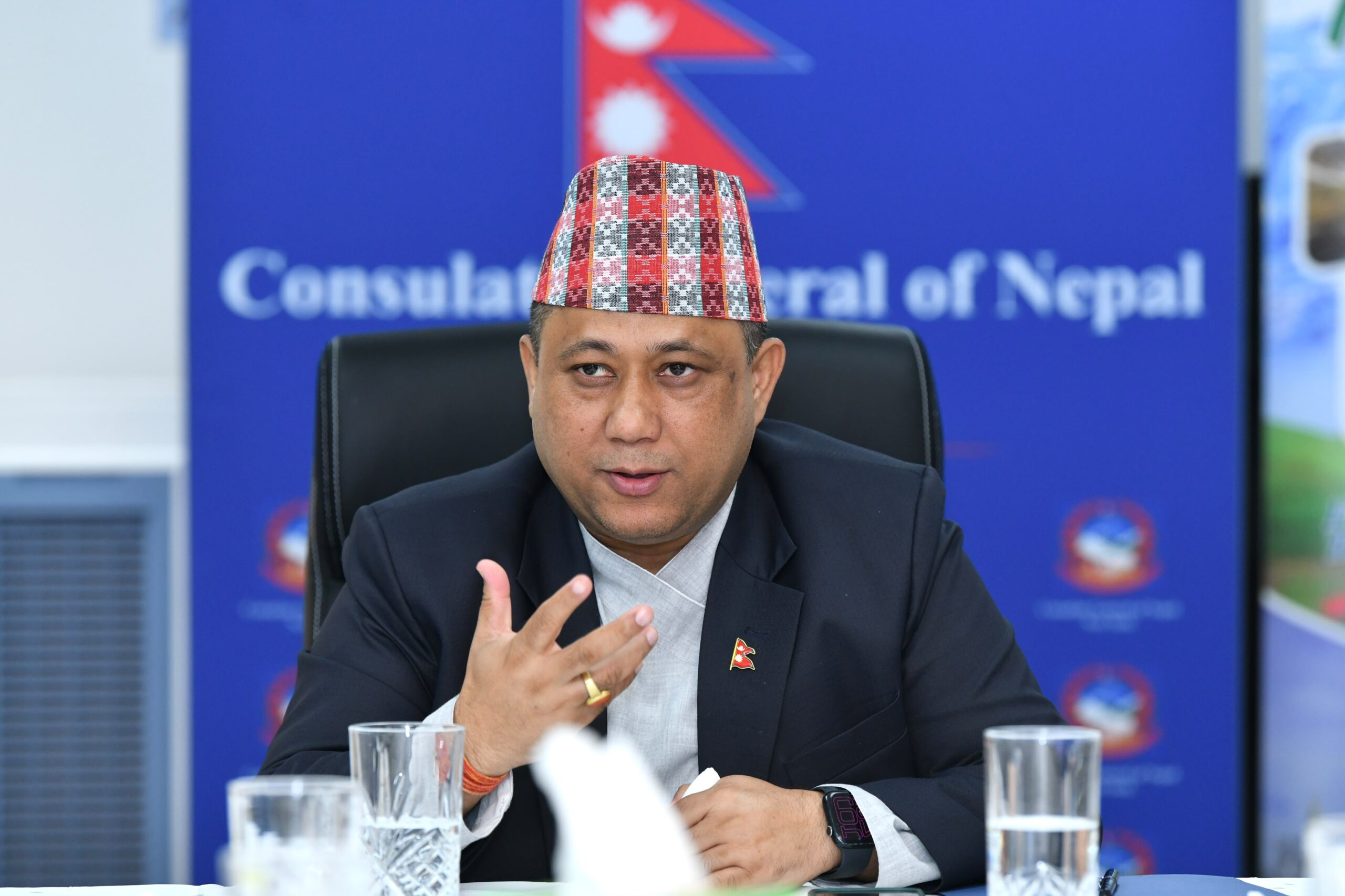
In his address to the high-level meeting of the General Assembly to Commemorate the 25th Anniversary of the Adoption of the Durban Declaration and Programme of Action, in New York today, Foreign Minister Khanal urged all to enforce the promises made 25 years back in Durban.
The Foreign Minister, who is currently in New York in course of his participation in the 81st session of UN General Assembly, asserted that true human progress rests upon the inviolable dignity of every individual. Let us translate Durban’s promise into living justice, he urged all.
Minister Khanal said, “Twenty-five years ago in Durban, the international community united with a solemn resolve: to confront racism, racial discrimination, xenophobia, and the enduring legacies of colonialism, apartheid, and systemic injustice. Today, that promise remains an urgent moral imperative,”
In the event held under the theme of ‘Mobilizing global public support for the full and effective implementation of the Durban Declaration and Programme of Action’, Minister Khanal stated, “As Nelson Mandela reminded us, hatred is learned—meaning our societies can intentionally cultivate dignity, empathy and mutual respect.”
Durban principles in constitutional ethos
According to him, Durban principles resonate deeply with Nepal’s national conscience and constitutional ethos. “Guided by a decisive mandate for good governance and social equity, Nepal government, led by the Rastriya Swatantra Party (RSP), is fully committed to dismantling entrenched discrimination and advancing substantive social justice,” he said, adding that pursuit of justice begins with institutional humility and moral accountability.
Khanal reminded the global community about heartfelt apology made to the Dalit community in Nepal by acknowledging centuries of institutional humiliation, systemic neglect and social injustice, thereby resolving to dismantle caste-based discrimination through legislative and structural transformation. RSP chair Rabi Lamichhane had delivered a historic statement on it in the parliament.
The Minister also informed that Nepal’s progressive constitution guarantees equality before the law, prohibits discrimination in all spheres and mandates proportional inclusion for historically marginalized communities. These domestic guarantees reflect our global commitments as a State Party to seven core international human rights treaties, including ICERD.
“To accelerate the Durban Programme of Action, we urge four priorities: Legal and Civic Action: Enforcing robust anti-discrimination laws while instilling human-rights education across schools; Empowering Marginalized Voices: Ensuring historically oppressed communities meaningfully co-design public policy; Governing Emerging Tech: Regulating artificial intelligence to eliminate racial algorithms and hate speech; and Principled Multilateralism: Deepening global cooperation to eradicate systemic intolerance worldwide,” Khanal underscored in the speech.