



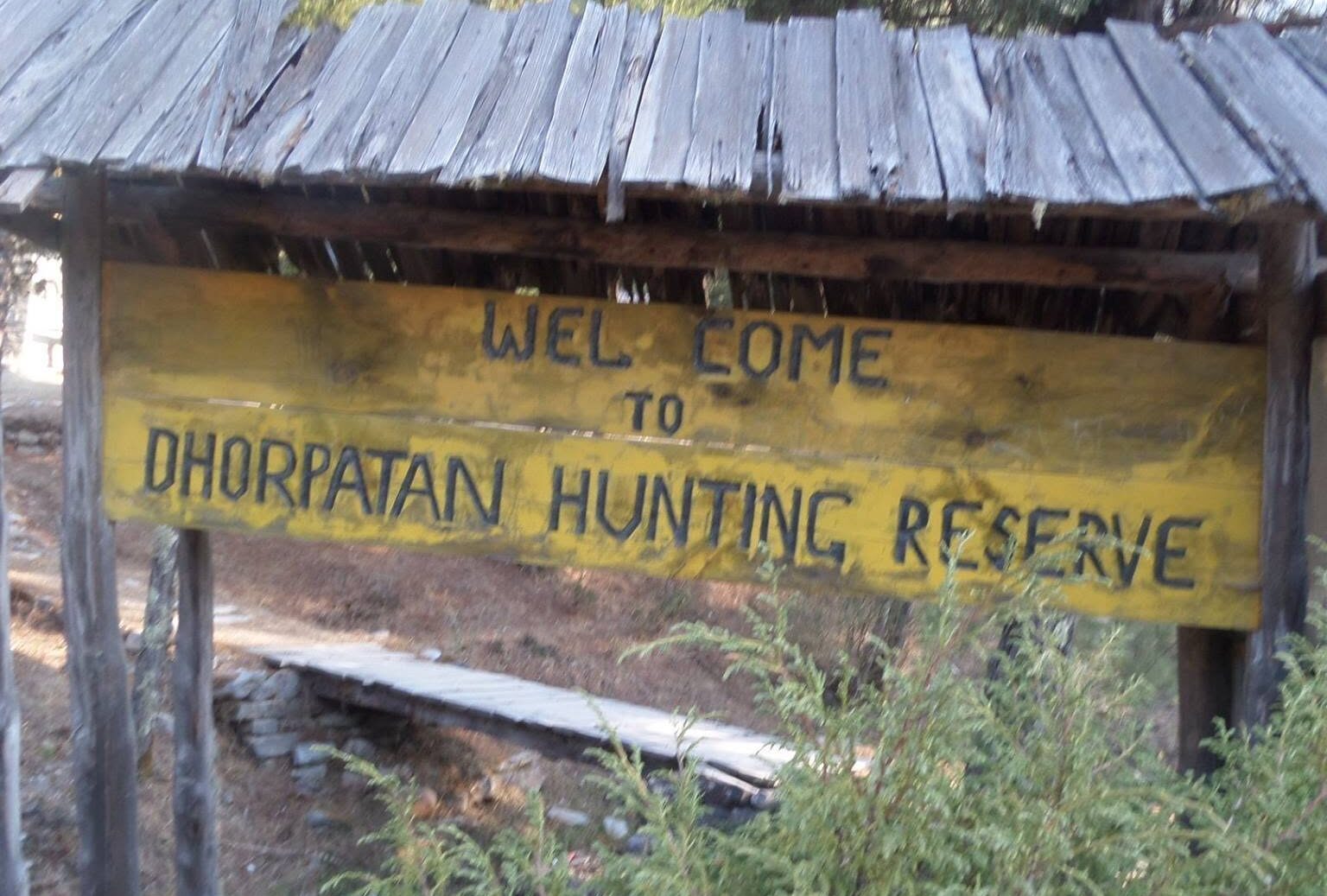
BAGLUNG: Nepal’s only legally designated hunting reserve, Dhorpatan, continues to attract high-paying foreign hunters seeking blue sheep (naur) and Himalayan tahr (jharal). Hunting activities targeting the two species generated more than Rs 41.7 million in government revenue over the past year.
Hunting at the Dhorpatan Hunting Reserve is conducted during two seasons each year. The reserve covers around 1,325 square kilometres across Baglung, Rukum and Myagdi districts. The first hunting season generated Rs 33.5 million in revenue, while the second brought in Rs 14.374 million.
According to reserve ranger Sagar Subedi, authorities issued permits during the first season, from Asoj to Mangsir (mid-September to mid-December), for 11 blue sheep and eight Himalayan tahr. Foreign hunters arriving through different commercial hunting companies successfully hunted eight blue sheep and five Himalayan tahr. However, three blue sheep and three Himalayan tahr remained unhunted despite the required fees being paid.
During the second season, from Falgun to Baishakh (mid-February to mid-May), permits were issued for 14 blue sheep and 10 Himalayan tahr. Hunters successfully harvested 13 blue sheep and six Himalayan tahr. Subedi said one blue sheep and four Himalayan tahr could not be hunted because of technical difficulties.
Ananath Baral, Chief Conservation Officer at the Dhorpatan Hunting Reserve Office, said several permitted animals could not be hunted because of challenges at shooting sites, illness among hunters, changing weather conditions and missed targets.
Dhorpatan is the only location in Nepal where regulated hunting is legally allowed. Foreign hunters pay substantial fees to participate in organized hunting expeditions, with visitors from countries including the United States, Spain, the Netherlands and Mexico regularly travelling to the reserve.
The reserve office deploys its personnel and trained hunting guides to designated blocks to support hunters and oversee the necessary arrangements during expeditions.
The Department of National Parks and Wildlife Conservation sets annual hunting quotas based on wildlife population assessments. Dhorpatan is divided into seven hunting blocks: Seng, Barse, Surtibang, Falgune, Ghustung, Dogadi and Sundaha.
Representatives of commercial foreign hunting companies generally travel to the reserve by helicopter. Hunters cover the costs of transportation, accommodation, logistical support and other expenses themselves. According to the reserve office, a hunter typically spends between Rs 2 million and Rs 3 million during a 15-day expedition.
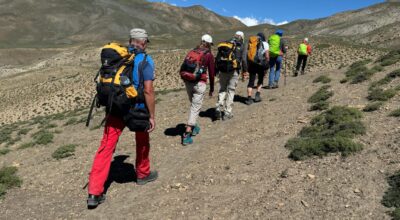
Hunters, accompanied by Nepal Army personnel and reserve staff, can spend up to 15 days in the forest during each expedition. The Department of National Parks and Wildlife Conservation determines hunting quotas and revenue rates through electronic bidding for each hunting season.
Once hunting permits, wildlife quotas, block fees, licences, helicopter transportation and other expenses are included, the overall cost of an expedition can run into millions of rupees. The reserve office said no Nepali hunter has so far participated in competitive hunting for blue sheep and Himalayan tahr.
Established in 2039 BS, the Dhorpatan Hunting Reserve spans approximately 1,325 square kilometres across Baglung, Rukum and Myagdi districts.