

KATHMANDU: The four-day Chhath festival, dedicated to the worship of the Sun God, concluded on Monday morning as devotees offered prayers to the rising sun. According to the Nepal Calendar Determination Development Committee, the sunrise occurred at 6:19 am, marking the final ritual of the festival.
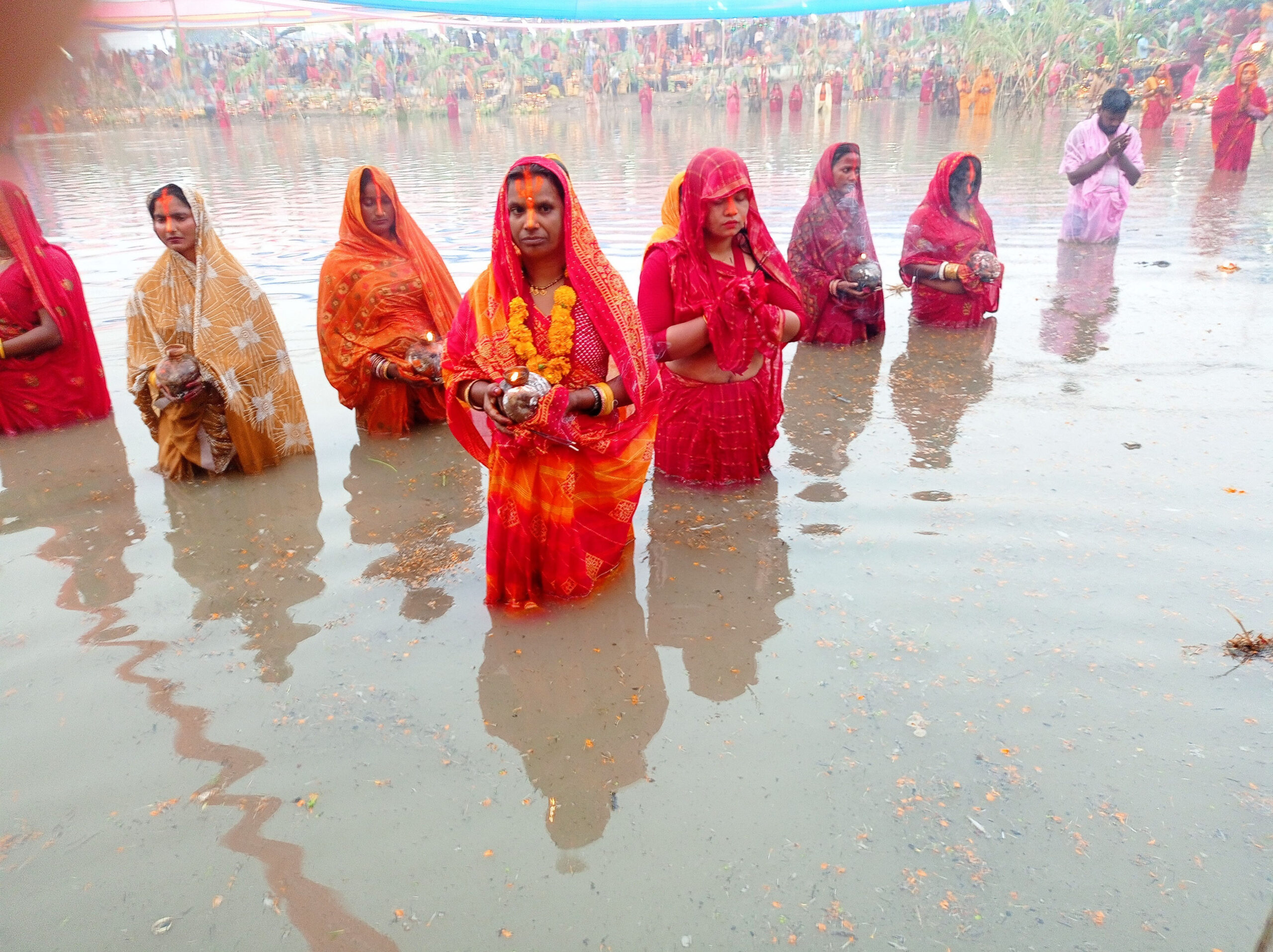
Devotees performed the ‘Bhinsarghat’ ritual by standing waist-deep in water and offering cow milk, flowers, and holy water to the sun. The festival, which began on the fourth day of the bright half of Kartik, requires practitioners to strictly abstain from meat, fish, garlic, millet, and buckwheat throughout the duration of the fast.
Religious scholar Professor Toyaraj Nepal stated that there is a deep-rooted belief that worshiping the sun during this period fulfills desires and grants wishes. The festival is observed by both married and unmarried individuals, who pray for the longevity of their spouses, the blessing of children, or the search for a suitable life partner. Mythology links the origin of the festival to the Mahabharata era, where the Pandavas reportedly worshiped the sun to ensure the success of their exile, and to Anusuya, wife of Atri Muni, who is believed to have performed the first Chhath fast.
While historically centered in the Terai region, the festival has gained significant popularity across Nepal, including the Kathmandu Valley, since 1989. Major sites such as Guhyeshwari, Kamalpokhari, Thapathali, and Gaurighat were decorated for the occasion. Anil Singh, president of the Chhath Puja Committee, noted that many devotees stayed awake through the night at the riverbanks to observe the rituals. This year, the government declared a public holiday on the seventh day of the bright half of Kartik to mark the conclusion of the festivities.