



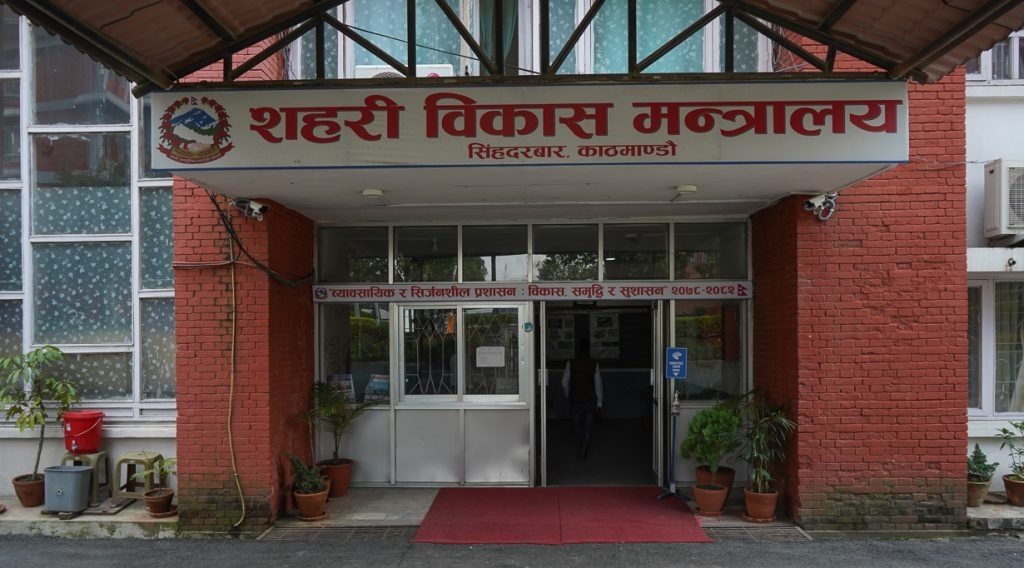
KATHMANDU: The government has introduced a new legislative framework to regulate building construction and improve urban safety. The bill to amend the Building Act, registered in parliament by the Ministry of Urban Development, proposes strict penalties for non-compliant structures and offers incentives for the construction of smart homes.
Under the proposed bill, constructing buildings in violation of building codes or approved designs will result in fines ranging from Rs 500,000 to Rs 1 million for large commercial or residential structures. For standard residential buildings, a fine of up to Rs 500,000 is proposed. Unauthorized changes to approved designs will attract fines between Rs 200,000 and Rs 500,000. Properties failing to comply with local authorities’ directives for repairs or demolition will face asset freezes and the disconnection of essential services, including water, electricity, and telephone lines.
The bill mandates a structural safety assessment for all buildings over 50 years old. If a building is deemed unsafe, it must be repaired or retrofitted. If it remains hazardous, local authorities will order its demolition. Should the owner fail to act, the local government will demolish the structure and recover the costs from the owner. Buildings of historical or cultural significance will be exempt and placed under special protection.
To support the right to housing, the government plans to provide a grant of Rs 75,000 to impoverished families for building their first safe home, consisting of Rs 50,000 from the federal government and Rs 25,000 from the provincial government. Additionally, those building smart homes will receive access to subsidized loans, tax exemptions, and special insurance benefits.
Accountability is extended to engineers, technicians, and contractors. Those found responsible for non-compliant designs or violations of professional codes face the potential revocation of their professional licenses. Furthermore, mandatory professional liability insurance and construction risk insurance are required before commencement. The bill categorizes buildings into seven classes and requires the establishment of a national building record system. Within three years, all local levels must transition to an electronic permit system. Following disasters, buildings must undergo technical safety inspections before they can be reoccupied.Government proposes fines for illegal buildings, incentives for smart homes