



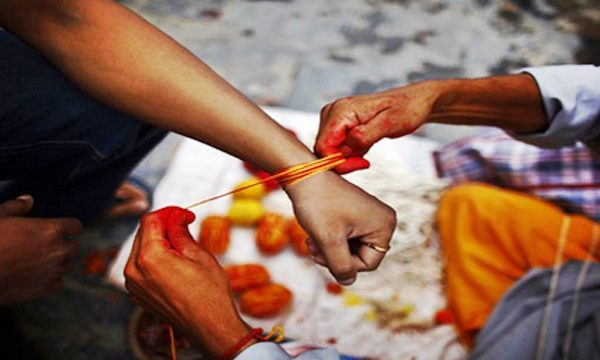
KATHMANDU: Janai Purnima, a major Hindu festival, is being observed across Nepal today as devotees perform traditional rituals, change their sacred Janai and receive Raksha Bandhan.
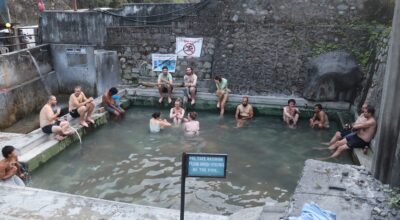
Followers of Vedic Sanatan Dharma gather at rivers, lakes, ponds and other religious sites from early morning to take ritual baths and receive the sacred Raksha Sutra from their Guru Purohit. According to religious belief, the thread, consecrated through Vedic chants and rituals, offers protection from negative forces and promotes well-being.
Brahmin priests tie the sanctified Raksha Bandhan, or sacred thread, around devotees’ right wrists while reciting Vedic mantras. The thread is traditionally believed to be spiritually empowered through prayers, penance and worship.
According to religious scriptures, members of the Brahmin, Kshatriya and Vaishya communities traditionally change their Janai, or Yajnopavit, on Janai Purnima. Preparations begin on the Chaturdashi, the 14th day of the bright fortnight of Shrawan, with devotees observing purification rituals, shaving their heads and limiting themselves to one meal.
On the full moon day, devotees take a ceremonial bath before performing rituals to sanctify the new Janai. They also offer Tarpan to sages using barley, sesame and kush grass. Arundhati, Kashyap, Atri, Bharadwaj, Vishwamitra, Gautam, Jamadagni, Vasishtha and Agastya are worshipped and offered Tarpan during the rituals. The festival is therefore also known as Rishi Tarpani.
The Yajnopavit, or Janai, is also known as the Brahma Sutra or the thread of knowledge in the Vedic tradition.
Large numbers of devotees have gathered since early morning at Pashupatinath Temple, Ashok Vinayak in Basantapur, the banks of the Bagmati River and other religious sites in Kathmandu Valley and across the country to receive Raksha Bandhan and participate in the festivities.
The festival is also associated with Kwanti, a traditional soup prepared from 11 varieties of soaked and sprouted legumes and grains. It is traditionally believed to aid digestion, cleanse the stomach and provide warmth during the rainy season. Ayurvedic practitioners also regard the dish as nutritious and say it may support the body’s immune system and help ease seasonal ailments such as colds and coughs.
In Nepal’s Terai region, Janai Purnima is also marked by the Raksha Bandhan tradition, in which sisters tie rakhis around their brothers’ wrists. The practice is regarded as a symbol of sibling affection and has increasingly gained popularity in the country’s hilly regions as well.
Religious fairs are being held at several pilgrimage sites across the country, including Manichud in northeastern Kathmandu, Gosainkunda in Rasuwa, Kumbheshwor in Lalitpur, Panchpokhari in Sindhupalchowk, Janakpurdham, Dhanush Sagar and Ganga Sagar in Dhanusha, Dansadhu in Jumla and Trivenidham in Nawalparasi.