

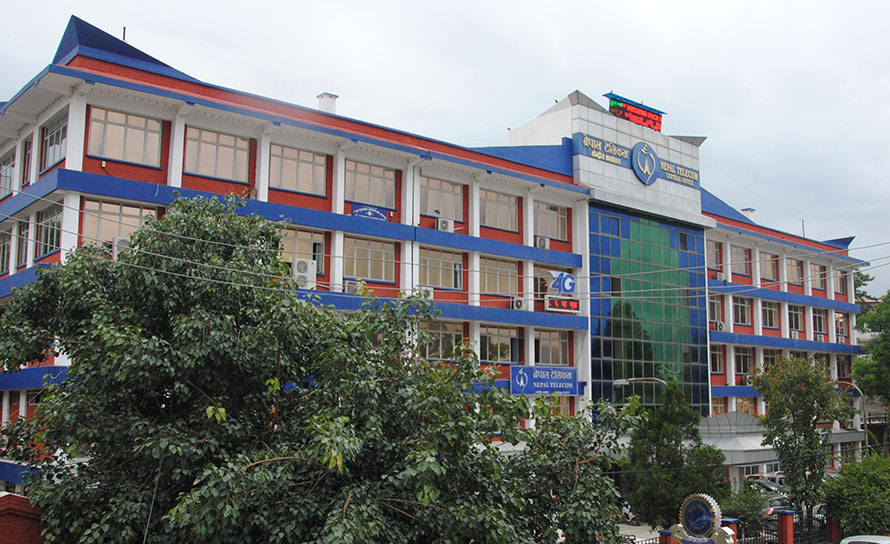
KATHMANDU: The government is preparing to replace the existing fixed licence renewal fee for GSM cellular mobile services with a revenue-based system under which telecom operators would pay renewal fees according to their annual earnings.
Currently, the Nepal Telecommunications Authority (NTA) charges telecom operators Rs 20 billion each time they renew their GSM cellular mobile service licence.
Under the existing arrangement, the first licence renewal is for 10 years, while subsequent renewals are made every five years. Operators can pay the Rs 20 billion renewal fee in instalments, allowing them to pay Rs 4 billion annually for five years instead of making a lump-sum payment.
The proposed system would replace the fixed Rs 20 billion charge with a renewal fee linked to the operator’s annual revenue.
The proposal is included in the draft Integrated Telecommunications Policy 2083 released by the NTA. The new renewal-fee mechanism would come into effect after the existing legal provisions governing licence renewal are amended. The implementation process is expected to take around six months.
Foreign investment policy to continue
The government also plans to continue allowing foreign investment in the telecommunications sector. The existing requirement that telecom companies with foreign investment must have at least 20% domestic investment or shareholding has been retained in the draft policy.
Telecom licences to be classified into four categories
The draft policy proposes reorganising the existing fragmented licensing system into four categories.
The first category would be integrated licences, covering cellular services and services that require access to radio frequency.
The second would be general licences, covering network service providers and internet service providers.
The third category would be infrastructure licences, covering telecom towers, fibre infrastructure, access infrastructure and shelter infrastructure, among others.
The fourth category would cover other licences, mainly for value-added services.
The NTA expects the new classification to make the licensing system for telecommunications services and infrastructure simpler, more transparent and better organised.
Technology neutrality and new spectrum auction system
The draft also proposes adopting Technology and Service Neutrality, with licences to be issued through an open and transparent process.
Currently, licences and frequencies are subject to separate competitive processes. Under the proposed framework, the government plans to follow international practice by allocating frequencies through competitive bidding based on spectrum fees.
If implemented, the proposed changes would replace the telecom sector’s large fixed licence-renewal liability with a system linked to operators’ actual revenues. The reform could significantly affect the financial obligations, investment decisions and long-term business planning of Nepal’s telecom operators.