



KATHMANDU: Foreign Minister Shisir Khanal has called for sustained international assistance to support the rehabilitation and reconstruction of areas in Nepal affected by climate-related disasters.
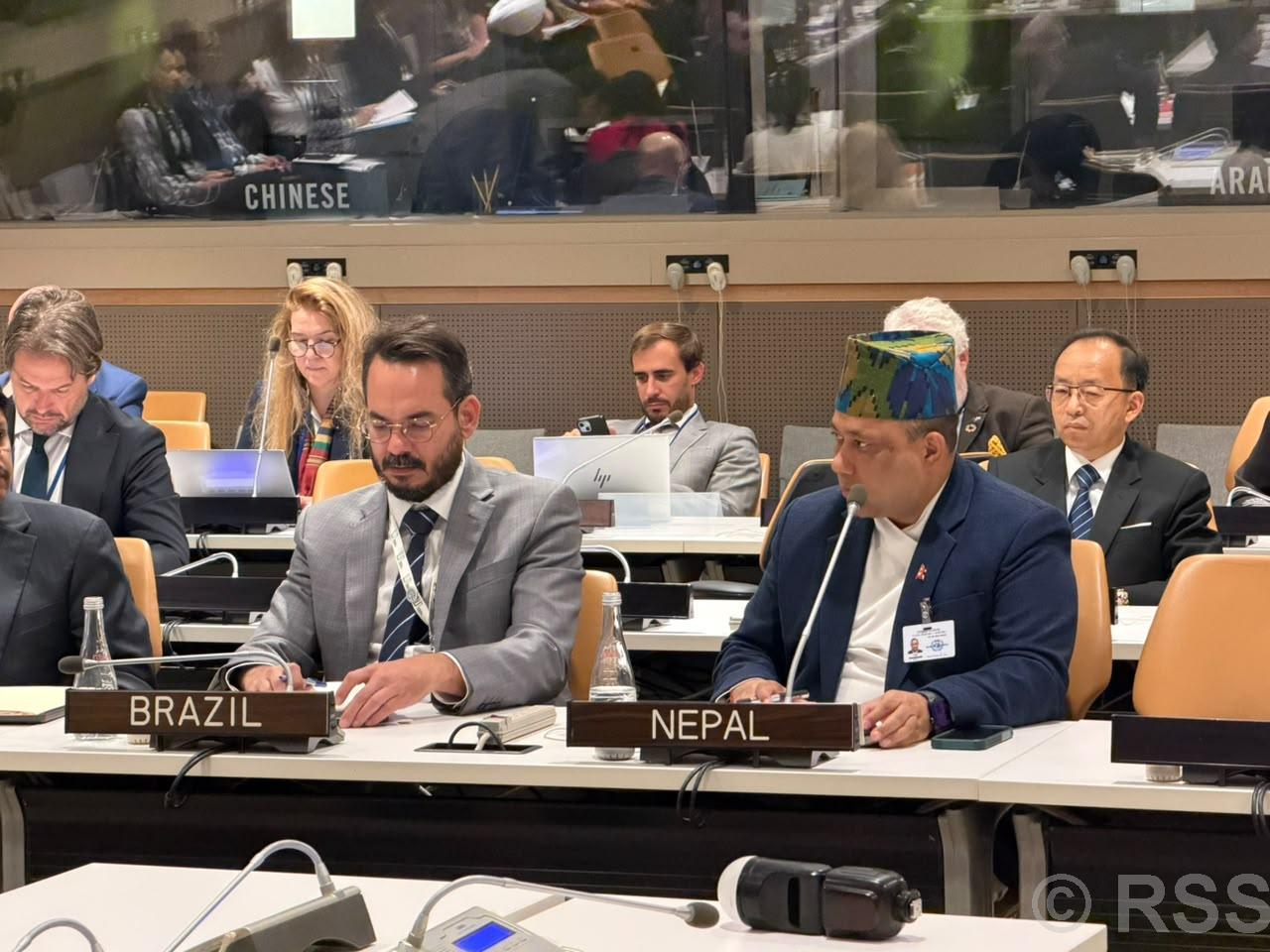
Speaking at the G-7 Development Ministerial Meeting held on the sidelines of the 81st United Nations General Assembly, Khanal urged G-7 countries to strengthen their support for Nepal in areas including post-disaster recovery, climate finance, disaster preparedness, multilateral financing, and Himalayan issues.
Representing Nepal at the meeting, Khanal thanked G-7 member states and other friendly countries for their solidarity and assistance following the recent climate-related disasters, according to his secretariat.
He also praised the G-7’s role in promoting international cooperation on climate change, sustainable development, resilience, and disaster risk reduction, while thanking France, the current G-7 chair, for convening the meeting.
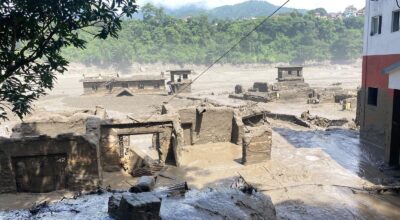
Khanal said the recent disasters had caused extensive human and economic losses, damaging homes, roads, bridges, schools, health facilities, and hydropower infrastructure and disrupting essential services and daily life.
Preliminary estimates indicate that more than USD 5 billion will be required for rehabilitation and reconstruction.
According to Khanal, ongoing scientific assessments indicate that the disaster may have resulted from a complex interaction of ice, rock, water, and unstable landforms amid rapid warming in the Himalayan region. The government has established an expert committee to investigate the geological, glacial, and hydrological factors involved, including the impacts of climate change.
“Climate change is no longer a distant threat to Nepal. It is our current reality, and its impacts are becoming more intense and frequent,” Khanal said, noting that climate-related disasters are damaging livelihoods and eroding development gains.
He said Nepal’s mountains, rivers, communities, and critical infrastructure are becoming increasingly exposed to floods, landslides, glacial hazards, and other climate-related risks.
Khanal stressed that Nepal contributes only a very small share of global greenhouse gas emissions but faces disproportionate consequences from climate change. He therefore called for stronger international support for the country.
Presenting Nepal’s key priorities for rehabilitation and reconstruction, Khanal identified international partnerships for recovery as the first priority. He said that, while Nepal appreciates the humanitarian assistance and goodwill extended by friendly countries, long-term recovery will require coordinated international support through grants and concessional financing.
As a second priority, he called for easier and faster access to climate finance, particularly adaptation and loss-and-damage funding, for developing and climate-vulnerable countries.