

KATHMANDU: Nepal is set to enforce the Animal Slaughterhouse and Meat Inspection Act, 1998 nationwide in phases, introducing mandatory health inspections of livestock before and after slaughter and tighter controls on meat sales.
The government published a notice in the Nepal Gazette on August 18, setting out a phased implementation schedule for the long-delayed law.
Under the schedule, the law will take effect in all local units of Kathmandu Valley from November 17, 2026, corresponding to Mangsir 1, 2083. It will then apply to all metropolitan cities, sub-metropolitan cities and municipalities across the country from January 15, 2027, and to all rural municipalities from July 16, 2027.
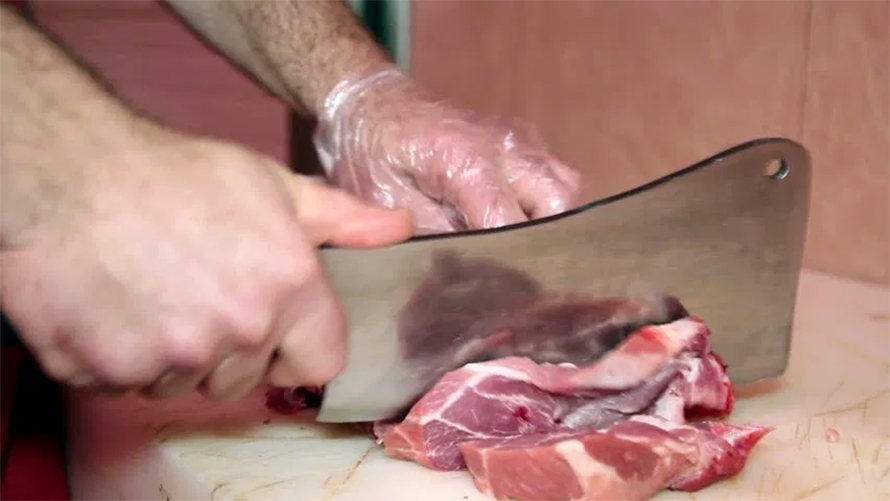
The law is aimed at reducing health risks associated with the slaughter and sale of meat from diseased or infected animals. For years, a large share of livestock slaughter in Nepal has taken place in open spaces, household compounds and temporary facilities without systematic veterinary inspection.
The Act requires animals to undergo a health examination before slaughter. Slaughtering must be carried out at designated and properly managed slaughterhouses, while meat must undergo post-slaughter inspection before it can be approved for consumption.
The law also prohibits the sale and distribution of meat from diseased or infected animals, as well as animals that have died from natural causes. Meat can be sold only after approval from an authorized meat inspector, while adulteration of meat is prohibited.
Agriculture, Forest and Environment Minister Geeta Chaudhary said protecting public health and ensuring safe food are among the government’s top priorities. She said federal, provincial and local governments would coordinate to develop the required infrastructure and strengthen technical capacity for implementation.
Dr Manoj Kumar Shahi, vice-chairperson of the Nepal Veterinary Council, said consumption of meat from diseased animals can expose people to serious bacterial and viral infections. He described mandatory pre- and post-slaughter inspections as an important step for both public health and animal welfare.
Department of Livestock Services Director General Dr Umesh Dahal said the department was preparing to deploy meat inspectors, raise awareness among meat businesses and work with local governments to develop the necessary infrastructure, beginning with Kathmandu Valley.
The government expects implementation to initially increase compliance and operating costs for meat businesses. In the longer term, however, officials believe the system will improve consumer confidence, strengthen meat safety and make Nepal’s meat industry more organized and professional.