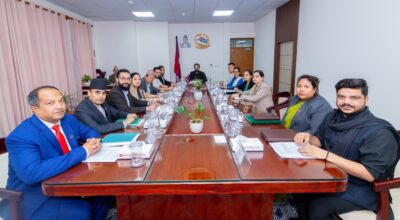


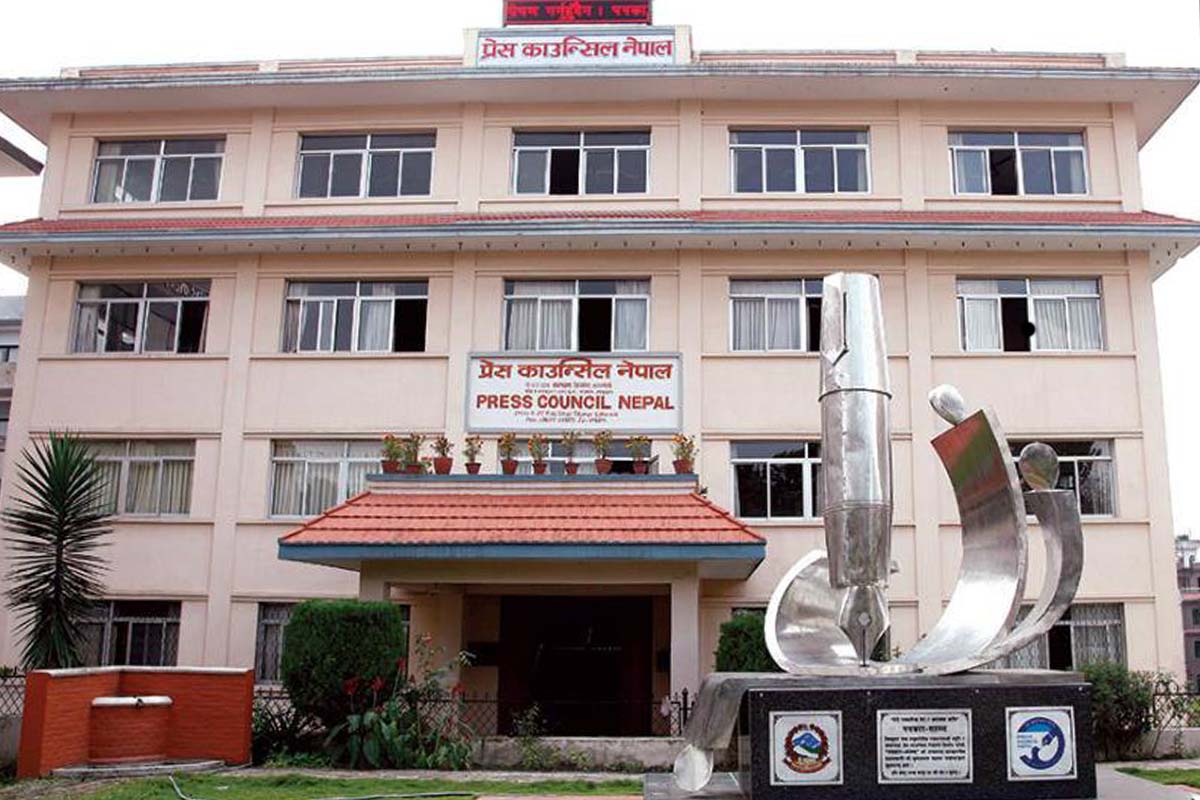
KATHMANDU: The Press Council Nepal has expressed serious concern over the arrest of Aastha Media Chair and Jana Aastha weekly editor Kishor Shrestha and the subsequent entry of armed police personnel into the media house, where computers and other materials were reportedly seized.
In a statement issued on Thursday, the council said it had taken note of Shrestha’s arrest on Wednesday night, the search of his private residence, and the entry of armed personnel into the Jana Aastha office on Thursday morning.
The council stated that citizens’ right to information is guaranteed through press freedom and emphasized that maintaining the dignity of the press is the responsibility of all concerned parties.
At the same time, it reminded journalists and media organizations that press freedom must be exercised within professional standards and the journalistic code of conduct.
“Press freedom should not be interpreted as unrestricted freedom,” the statement said, urging journalists and media professionals to practice journalism based on truth, facts, balance, and credibility.
The Press Council noted that it has been handling complaints against journalists and media organizations through investigation, necessary action, and mediation in cases involving violations of the journalistic code of conduct.
According to the council, if violations are found, it may direct media outlets to publish or broadcast rebuttals, correct errors, or issue apologies. It may also issue warnings or formally draw the attention of concerned media organizations to such violations.
The council further stated that it can recommend or take measures that may affect a media outlet’s classification and access to certain government facilities. Such measures may include recommending exclusion from public welfare advertisements and other state facilities, removal from registration lists, and suspension of press representative certificates or press passes through the concerned authorities.
In cases involving serious violations, the council said it may recommend further action by the Federation of Nepali Journalists or the concerned media organization.
It also warned that those who disregard the council’s decisions or directives may be blacklisted, with details of the action made public.
The Press Council urged anyone dissatisfied with published news reports to file complaints through established legal procedures.
Concluding its statement, the council said it continues to monitor both professional conduct by journalists and media organizations and any possible misuse of press freedom. It stressed that disputes related to news content should be resolved through established regulatory and legal mechanisms while reminding the media sector of its responsibility to uphold professional ethics.