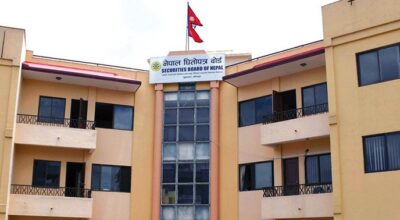




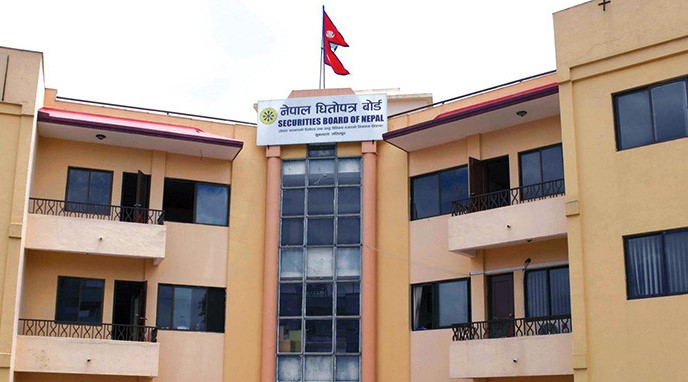
KATHMANDU: The Securities Board of Nepal (SEBON) issued the Anti-Money Laundering and Countering the Financing of Terrorism Directive, 2083, on Oct. 16, introducing stricter regulations for the stock market. Under the new rules, investors conducting transactions of Rs 1 million or more must disclose the source of their funds. Such transactions must be reported to the Financial Information Unit within 15 days.
The directive mandates the use of national identity cards and biometric verification for customer identification. For accounts opened electronically, the geographical location of the customer must be verified. Additionally, investment companies with a paid-up capital of Rs 50 million or more, or those with an annual turnover exceeding Rs 100 million, are now required to register with the board.
All payments for share transactions must be made via account payee checks or electronic means, prohibiting payments from third-party accounts. Suspicious transactions must be reported to the Financial Information Unit within three days. The board has also mandated strict monitoring of high-ranking officials and their relatives, with records maintained for at least 10 years after their term ends. Non-compliance can result in fines ranging from Rs 1 million to Rs 50 million or removal from office.
Market analyst Dev Guragain noted that these regulations are based on existing anti-money laundering laws and are not entirely new, suggesting investors should not panic. Nepal is currently on the grey list for money laundering, and these reforms are necessary to meet international standards set by the Financial Action Task Force. However, analysts acknowledge that the new rules may create psychological pressure on investors. Before the implementation of these rules, the market had shown signs of recovery, closing at 2634.17 points with a total market capitalization of Rs 4.534 trillion.