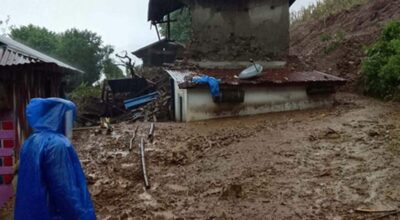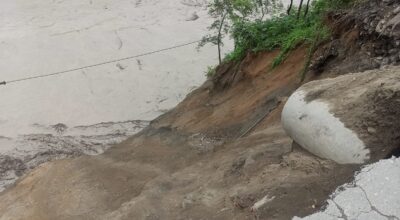


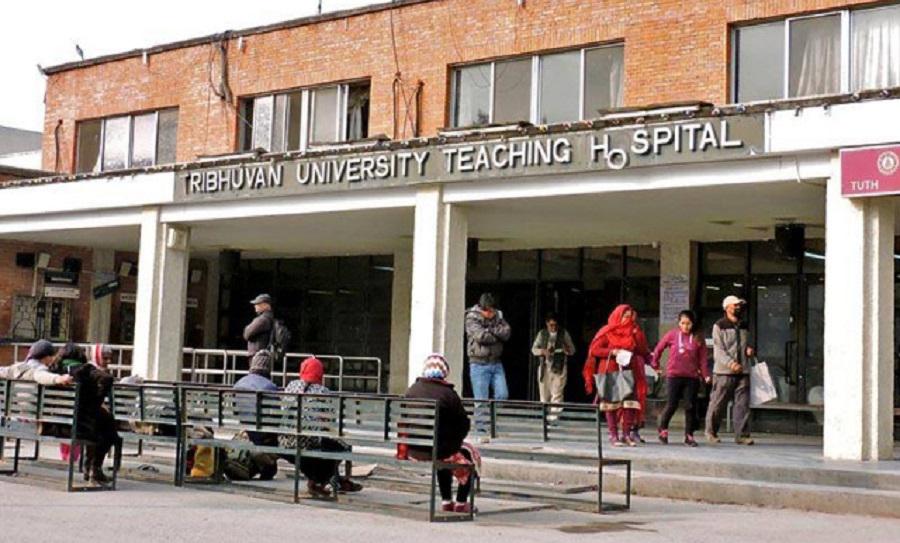
KATHMANDU: Tribhuvan University Teaching Hospital is running out of space to store bodies brought from various districts following the devastating glacial flood.
So far, 80 bodies have been brought to the hospital from Rasuwa, Nuwakot, Dhading and other affected districts. The sudden arrival of a large number of bodies has made management difficult given the hospital’s limited mortuary capacity.
Dr. Gopal Chaudhary, a forensic expert at the hospital, said the mortuary can normally accommodate around 150 bodies. With special arrangements, the capacity can be increased to about 200, but prolonged storage would create serious difficulties.
Some bodies have already remained at the hospital for years. According to Chaudhary, several unidentified bodies have been stored for seven to eight years because legal procedures have not been completed.
“Some bodies have been here for years. They cannot be buried until the legal process is completed,” Chaudhary said. He added that bodies of unidentified people and those without relatives are routinely brought to the hospital.
Hospital information officer Kaliprasad Rosyara said bodies recovered from flood-affected areas must undergo identification, post-mortem examinations and other legal procedures before they can be released for burial or cremation.
DNA testing and efforts to locate relatives can take considerable time, particularly in cases involving unidentified bodies. The sudden increase in bodies following the floods has therefore created an additional storage challenge.
Rosyara said the hospital is prioritising the identification of flood victims and completion of the required legal procedures. However, as bodies continue to arrive from affected areas, the hospital may face greater pressure in the coming days.
Chaudhary said scientific burial underground may become the only practical option if the number of bodies continues to rise and the mortuary runs out of space.