

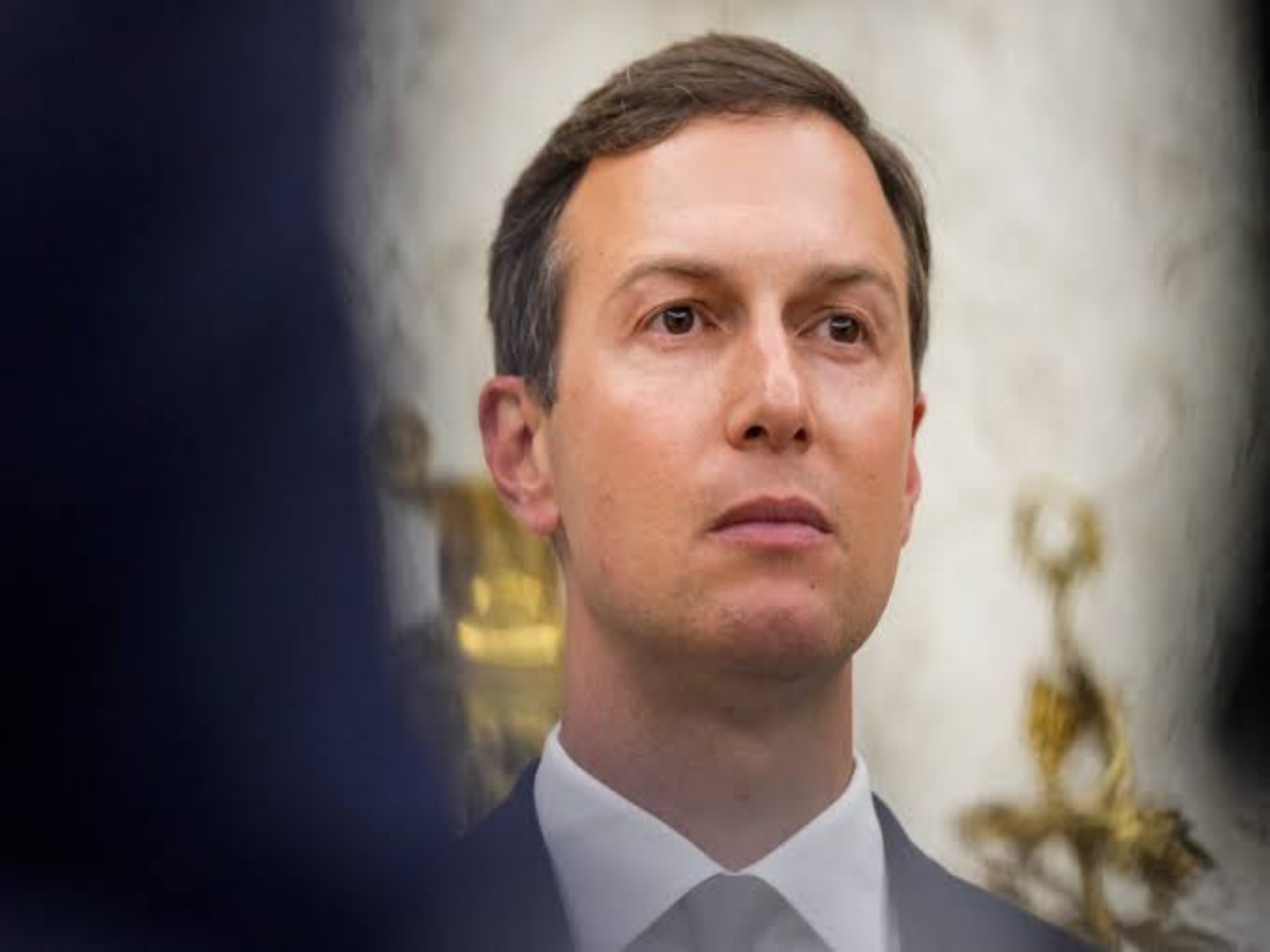
TEL AVIV: US President Donald Trump’s envoy Jared Kushner has reiterated Washington’s firm stance on Iran, stating that the American leader remains clear that Tehran cannot be allowed to acquire a nuclear weapon.
Speaking to Fox News while in Tel Aviv, Kushner outlined the core conditions required from Tehran for any diplomatic progress.
“President Trump’s been very, very, very clear…he believes that Iran cannot have a nuclear weapon,” Kushner said.
Detailing the US administration’s perspective on potential negotiations, he emphasised President Trump’s willingness to reach a mutually beneficial agreement.
“They have to be willing to make a real deal…President Trump wants to make a fair deal that could be a win-win. But that has to be very basic. They have to want to be a real country, which is no nuclear weapons, no funding terror in the region,” Kushner stated.
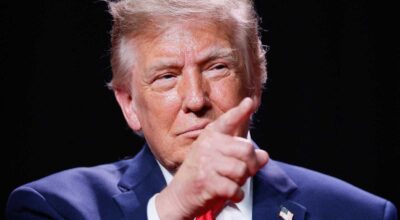
Reinforcing this position, United States President Donald Trump stated on Monday that preventing Iran from acquiring nuclear capabilities remains the primary focus of his administration, following the expiration of the 60-day timeframe established under the June US-Iran memorandum of understanding without securing a lasting peace agreement.
In a post on social media platform X, Trump stated, “The number one Goal is, and always will be, that Iran cannot have, in any way, shape, or form, a Nuclear Weapon. Thank you for your attention to this matter! President DONALD J. TRUMP”
These statements come as the stipulated timeframe under the June framework lapsed, with maritime movement through the Strait of Hormuz remaining curtailed and substantive discussions regarding Tehran’s nuclear activities yet to restart.
The provisional arrangement was originally designed to cease hostilities and establish a structured pathway towards a long-term agreement addressing both the conflict and Iran’s nuclear operations, while also aiming to re-establish commercial transit through the strategic waterway.
However, the understanding dissolved following mutual allegations between Washington and Tehran regarding non-compliance with the agreed terms. Under the provisions of the June memorandum, the US was expected to terminate its maritime blockade within 30 days, while Tehran agreed to exert its “best efforts” to ensure secure, toll-free commercial transit through the Strait of Hormuz for 60 days.
Those commitments collapsed within weeks when Iranian forces targeted vessels navigating a designated maritime corridor near Oman monitored by the US military. Washington retaliated by executing military strikes against Iranian positions, prompting Tehran to launch strikes against nations hosting American forces, including Jordan, Kuwait, and Bahrain.
Consequently, the US reinstated its maritime blockade targeting Iranian ports and revoked exemptions that had permitted Iranian oil shipments under the temporary framework.
Tehran has since linked the full restoration of transit through Hormuz to the complete lifting of the American blockade, the removal of US military assets from the region, and financial restitution for damages incurred during the hostilities, demands that Washington has dismissed while continuing to rely on economic sanctions and naval enforcement.
A significant divide also persists over the administration and security of the passage. While Trump asserted that the US exercises “total control” of Hormuz, Iranian military commanders maintained that no vessel can traverse the area without explicit authorisation from Tehran.
This ongoing friction has severely curtailed maritime traffic through one of the planet’s most critical energy transit routes, impacting global energy markets. Brent crude advanced to a session peak of 89.40 USD per barrel on Monday as market participants evaluated the diplomatic stalemate and potential threats to commercial shipping, while Tehran has been engaging in discussions with Oman regarding maritime management protocols for the waterway.
Simultaneously, the second primary objective of the June framework, negotiations concerning Iran’s nuclear developments, has seen minimal advancement. According to Iranian officials, direct diplomatic exchanges with Washington ceased in June, though communication channels through third-party intermediaries have remained operational.
While Trump has consistently maintained that dialogue is ongoing and has periodically pointed to progress, Iranian Foreign Minister Abbas Araqchi stated over the weekend that Tehran has not decided to re-engage in direct talks with Washington. This follows Trump formally pronouncing the memorandum “over” on July 7, while Tehran officially suspended its participation approximately a week later.
The conclusion of the 60 days leaves these core disagreements unresolved. For Tehran, normalising traffic through Hormuz remains contingent on the cessation of the blockade, troop withdrawals, and reparations.
For Washington, strategic decisions remain complex, as acceding to Tehran’s demands risks granting Iran enhanced control over a vital energy bottleneck, whereas further military escalation could strain US air defence inventory, disrupt global energy supplies, and drive up fuel costs.
With the expiration of the 60-day window, Trump’s latest statement underscores that Tehran’s nuclear capabilities remain the central concern for the US, even as diplomatic efforts remain stalled by unresolved disputes over nuclear activities and maritime jurisdiction in the Strait of Hormuz. (ANI)