

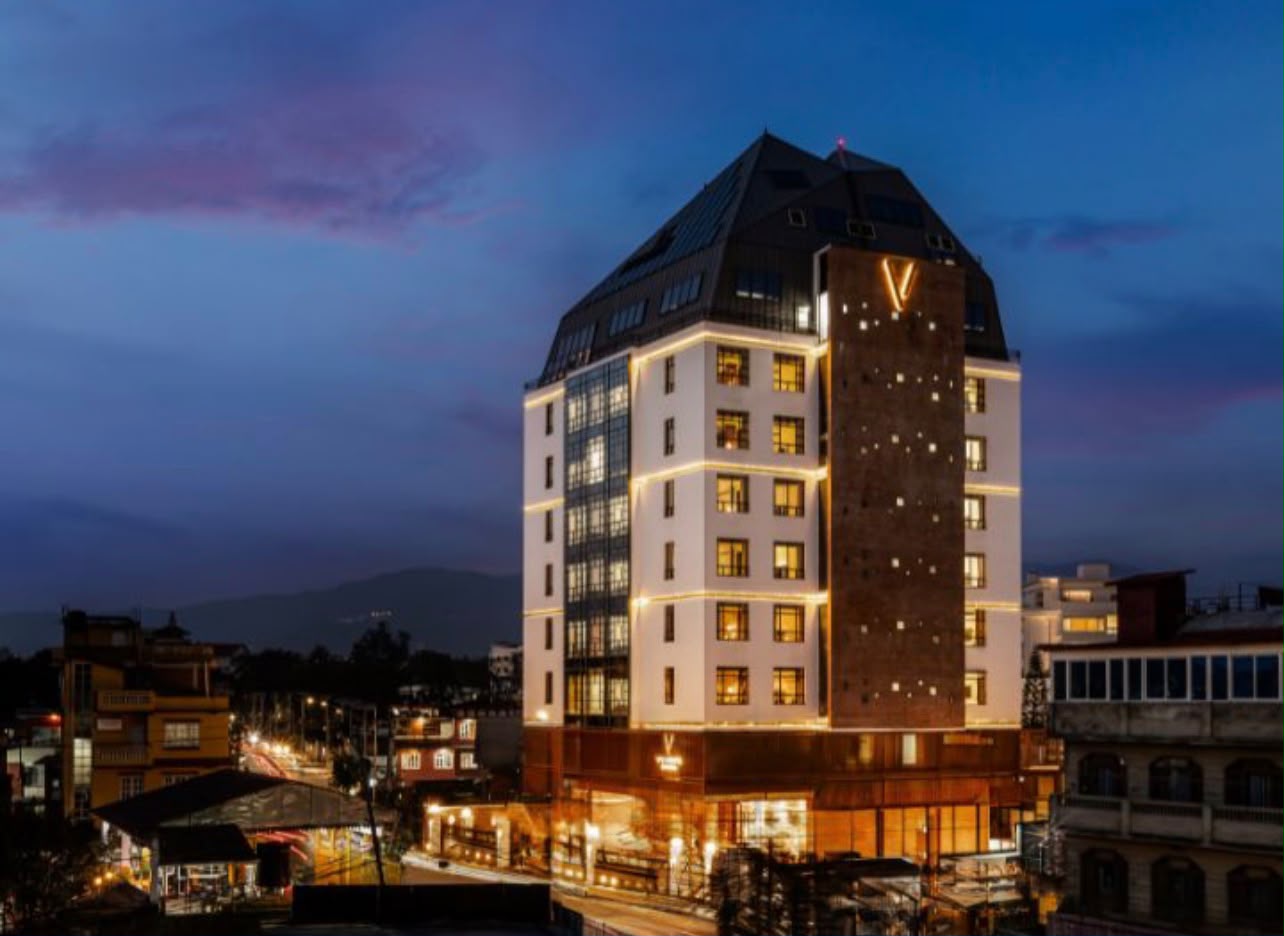
KATHMANDU: Varnabas Museum Hotel, a five-star luxury boutique heritage hotel in Baluwatar that was severely damaged by arson and vandalism during the Gen-Z protests, is set to resume operations by October 2026.
Hotel operator Rajendra Bajgain said renovation work is underway and preparations are being made to reopen the property within October. The hotel was forced to shut down completely after it was vandalised and set on fire during the protests held on September 8–9, 2025, which were driven by demands for good governance and an end to corruption.
Bajgain said the fire was brought under control quickly with support from local residents, preventing the entire building from being destroyed. However, the insurance settlement process delayed renovation work.
“The physical damage is estimated at around Rs 300–350 million, but the final cost of renovation is still being calculated,” Bajgain said. He added that the hotel’s year-long closure has caused additional business losses of more than Rs 300 million.
Spread across around two ropanis, Varnabas began operations in February 2024. Located between Naxal and Baluwatar, the property was designed as a museum hotel showcasing Nepal’s diverse cultures, art, traditions and lifestyles.
The nine-and-a-half-storey hotel is divided into three sections representing Nepal’s Himalayan, hill and Terai regions. Each section incorporates cultural elements reflecting the lifestyles and traditions of indigenous communities.
Bajgain said the concept goes beyond providing accommodation to tourists. The hotel aims to offer visitors an immersive experience of Nepal’s festivals, architecture, handicrafts, cuisine, music, traditions and lifestyles.
“The objective is not only to provide tourists with a place to stay but also to introduce Nepal to the world through an authentic cultural experience,” he said.
He argued that Nepal’s tourism industry needs not only world-class infrastructure but also distinctive experiences that cannot be replicated elsewhere. According to him, Varnabas is designed around the concept of “Nepal’s celebrations” and seeks to make culture itself a tourism product.
The hotel has rooms ranging from 34 to 40 square metres, while its largest rooms measure 60 square metres, with one such room on each floor. The top of the building has been designed in the shape of Mount Everest.
Bajgain said visitors encounter artwork reflecting Kathmandu Valley and Newar culture immediately upon entering the hotel.
He said long-term national planning and visionary leadership are needed if tourism is to become a stronger pillar of employment, foreign exchange earnings, infrastructure development and Nepal’s international identity.
With renovation now underway, the hotel management expects Varnabas to return to the market by October, nearly a year after the property was forced to close.