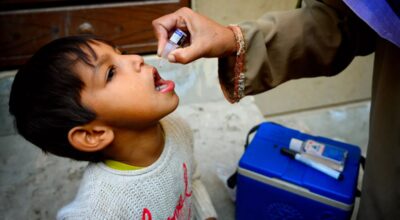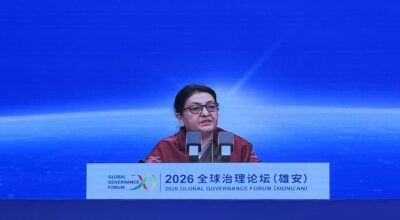




KATHMANDU: Chairperson of the World Health Organization’s South-East Asia Regional Certification Commission for Polio Eradication, Prof Dr Srijana Shrestha, has highlighted the vital need for continuous surveillance and sustained efforts to maintain Nepal’s polio-free status.
In a video message released today on the occasion of World Polio Day, she noted that while Nepal’s achievements in polio eradication are remarkable, sustained efforts are required to ensure this status is maintained indefinitely.
Pointing out that as long as the poliovirus persists anywhere in the world, there remains a risk of the disease entering Nepal, she emphasized the need for constant vigilance, especially given the country’s open borders and cross-border mobility of people.
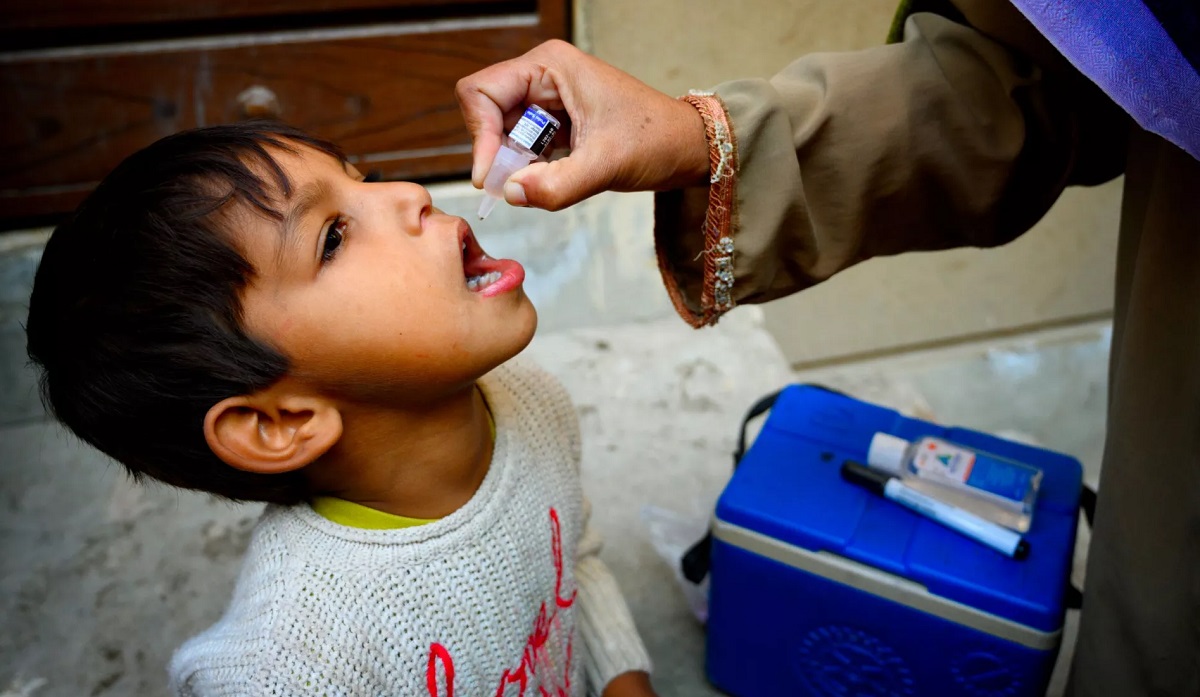
She outlined the importance of ensuring that routine immunization services reach every child particularly those in remote or high-risk areas and communities to guarantee they receive full vaccination.
Furthermore, “acute flaccid paralysis” (AFP) surveillance for the timely detection of the poliovirus needs to be prioritized along with regular reviews of surveillance data to ensure a rapid and effective response, should the virus be detected.
Given the shifting landscape of global financial support for polio, it is crucial to preserve essential capacities and infrastructure such as surveillance systems, laboratory services, immunization programs, and outbreak response mechanisms for all vaccine-preventable diseases.
Dr Shrestha also emphasized the need to leverage the experience, expertise, and infrastructure gained through polio eradication efforts to strengthen the surveillance and response systems for other vaccine-preventable diseases.