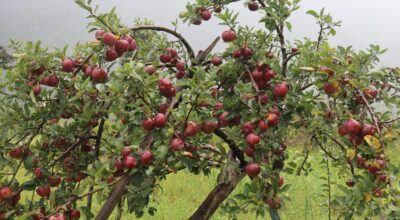


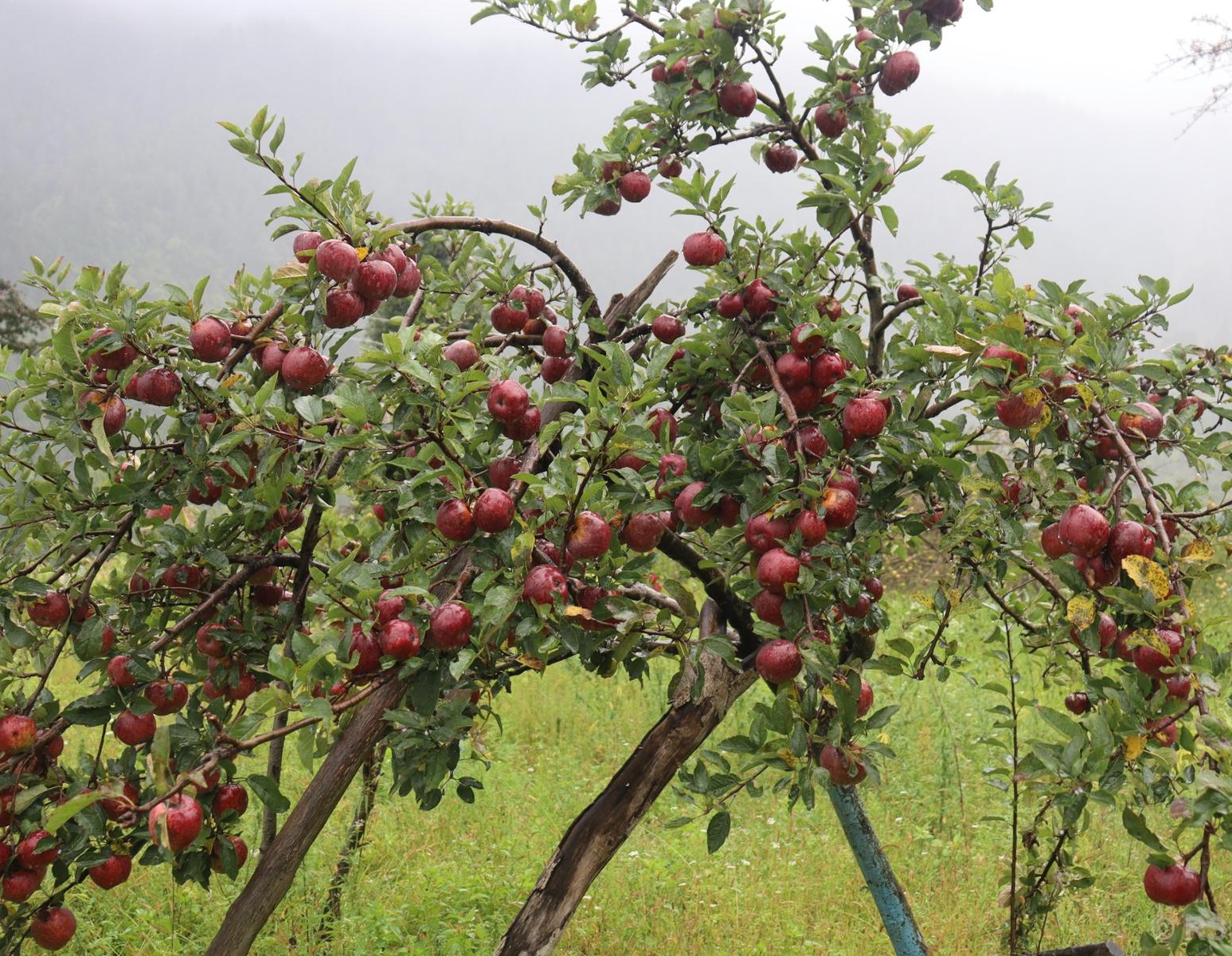
KATHMANDU: Bajura has recorded a total production of 337 metric tonnes of apples this year, as the high-altitude region continues to see an expansion in apple farming. According to the Agriculture Knowledge Centre, the increase in production is attributed to the expansion of cultivation areas and the growing number of fruit-bearing trees.
Information officer Premraj Neupane stated that the harvest included 125 metric tonnes in Swamikartik Khapar, 97 in Jagannath, 78 in Budhiganga Municipality, and 37 in Himali Rural Municipality. Of the total harvest, 56 percent has been sold, generating Rs 17.13 million. This marks an increase from the Rs 15 million earned last year.
Currently, apples are planted across 425 hectares in the district, though only 210 hectares are currently productive. Cultivation is also expanding into areas such as Khaptad Chhededaha and Gaumul. Farmers are now diversifying beyond local varieties, incorporating improved types like Fuji, Gala, Golden, and Royal Delicious.
Despite the production growth, farmers face significant marketing challenges. Agriculture Knowledge Centre chief Harish Bahadur Bista noted that road closures during the monsoon season hindered transportation. “The roads blocked by rain were only operational late, causing difficulties in transporting apples to the market,” Bista said. Additionally, the lack of transport subsidies from the Sudurpashchim provincial government this year has increased the financial burden on farmers.
Ujjal Rawat, a farmer from Budhiganga Municipality-9, explained that road disruptions during the harvest season often lead to produce rotting in the orchards. Furthermore, the lack of cold storage facilities and high transportation costs to reach markets like Dhangadhi and Nepalgunj prevent farmers from receiving fair prices for their produce. Swamikartik Khapar Rural Municipality chairman Bharat Bahadur Rokaya emphasized that improving road infrastructure, establishing regular transport services, and building cold storage facilities are essential for apple farming to contribute significantly to the district’s economic development.