

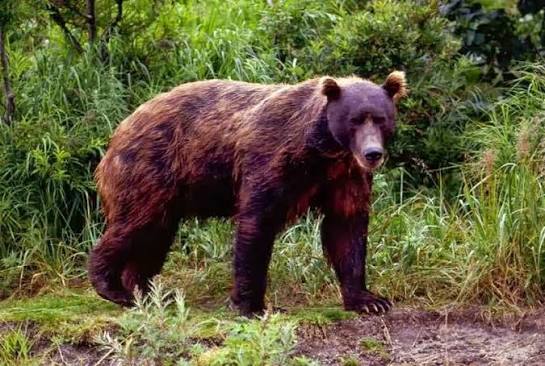
SOLUKHUMBU: Farmers in the Himalayan region of Solukhumbu are struggling to protect their crops from bear attacks, forcing them to stay awake all night to guard their fields. As the maize crop ripens, bears have been raiding fields, compelling farmers to build small huts and bang on tin sheets to scare the animals away throughout the night.
Krishna Bahadur Magar, a farmer from Tamakhani, stated that they must stay in the fields overnight to prevent the bears from consuming their entire harvest. The situation has also impacted local students. Madhav Dhamala, a teacher at Pike Secondary School, noted that students are often exhausted and fail to complete their homework because they spend their nights helping their families drive away bears.
Local life has become increasingly fearful in areas including Salleri, Tamakhani, Beni, and Takshindu, where past bear attacks have resulted in severe injuries and deaths. Phurba Sherpa, a farmer in Fera, said, “We cannot sleep; we spend the whole night on bear duty, but they return as soon as we let our guard down.” Residents report that at least five bears are active in the Tamakhani area alone, and they are afraid to step outside their homes at night.
Chakra Bahadur Basnet, a farmer from Roshi, expressed frustration over the legal restrictions on killing wild animals, noting that the bears destroy their annual income. Lakpa Gelu Sherpa, ward chairman of Solududhkunda Municipality-3, confirmed that dozens of requests have been filed at the ward office seeking control of the wild animals.
The District Forest Office stated that killing or harming wild animals is prohibited and there is no provision for compensation for crop damage. However, the office noted that under existing laws, if a person is injured or killed by wildlife, the Sagarmatha National Park can provide compensation of up to Rs 50,000 for injuries and Rs 150,000 in the event of death. Officials have advised farmers to use alternative methods to protect their crops.