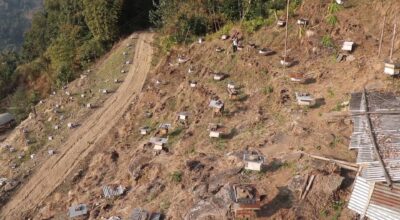


KATHMANDU: Farmers in Dhankuta are increasingly turning to beekeeping, transforming unproductive rocky terrains and forest areas into profitable sources of income. With minimal labor and manpower requirements, the sector has become a viable path to self-reliance for rural residents in the region.
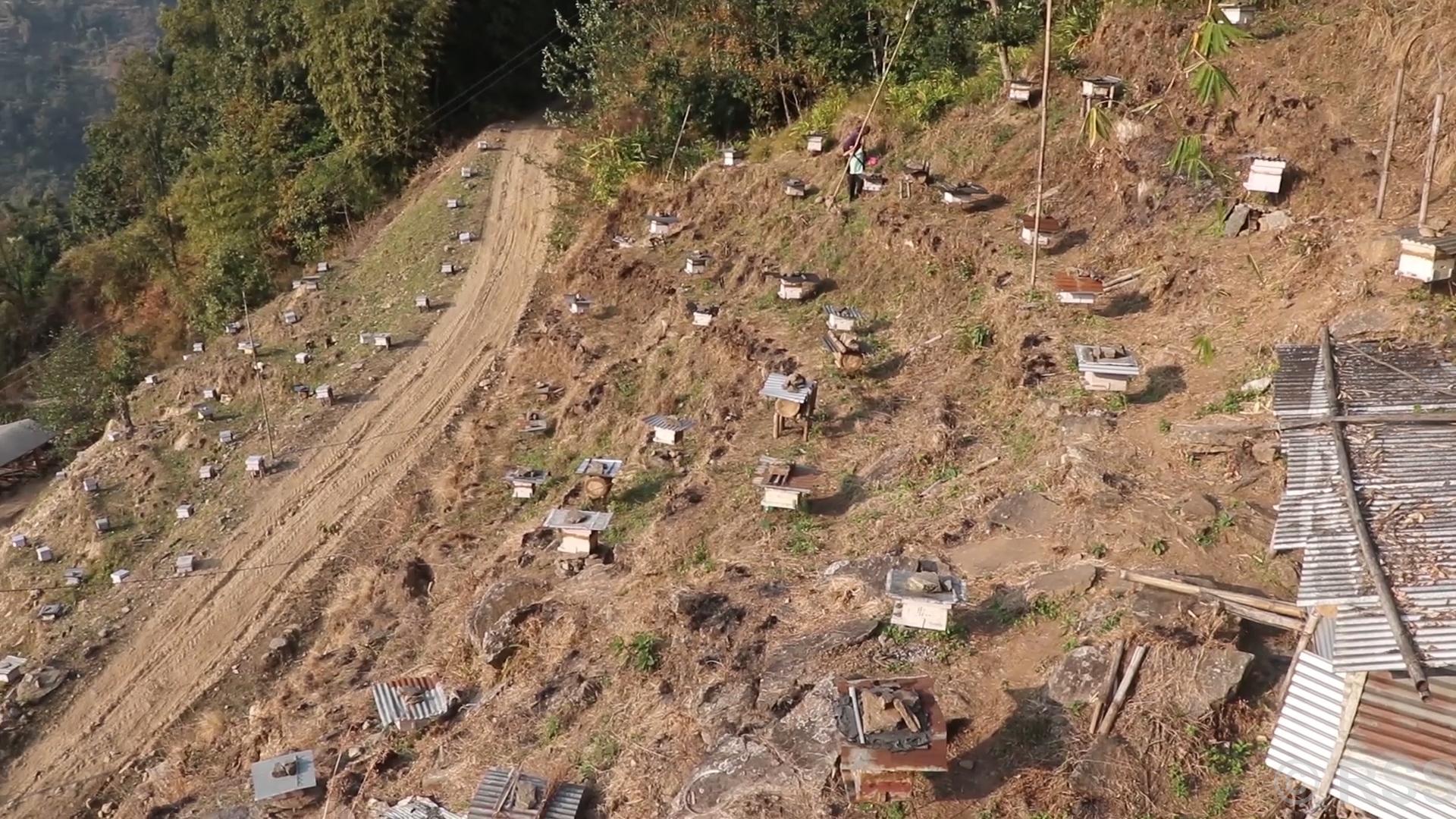
Durga Darlami, from Dhankuta Municipality-1, has made beekeeping his family’s primary source of income since starting in 2018. Managing around 100 hives in the forests of Pakhribas Municipality-9, Darlami earns approximately Rs 600,000 annually. Similarly, Shukra Rai, who returned from foreign employment, now manages over 200 modern hives. Beyond honey production, Rai manufactures and sells beehives, generating an annual income of Rs 2 million to Rs 2.2 million.
According to the Agriculture Knowledge Center in Dhankuta, there are 11,932 hives in the district, primarily housing the Cerana bee species. The district produces about 29.6 metric tons of honey annually. Nagendra Ranamagar, head of the center, stated that farmers earn approximately Rs 40 million annually from honey sales alone, noting that the sector is evolving into a significant contributor to the district’s agricultural economy.
Dhankuta’s honey is distributed in local markets, major cities, the Kathmandu Valley, and even internationally. Production is highest in Mahalaxmi Municipality, Pakhribas Municipality, and Sahidbhumi Rural Municipality. However, the use of pesticides in vegetable farming remains a significant challenge. Ranamagar warned that improper pesticide application poses a threat to bee health, highlighting the need for safer practices and coordination among farmers. The Agriculture Knowledge Center continues to prioritize beekeeping programs aimed at local youth to boost employment and improve living standards.