

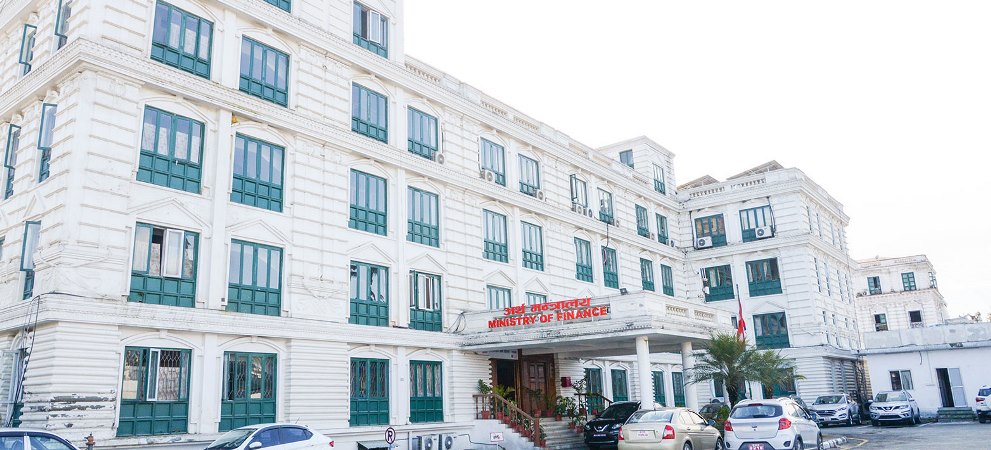
KATHMANDU: The Ministry of Finance has released a ‘citizen budget’ for the current fiscal year 2083/84, aiming to make the government’s fiscal policies and expenditure plans easier for the general public to understand. The document was published on the ministry’s website on Oct. 10.
Finance Minister Dr. Swarnim Wagle stated that the initiative is intended to make the state’s spending and allocation process more transparent and accountable. Titled with the slogan ‘our tax, our budget, our future,’ the publication is not a new budget approved by parliament, but a simplified version of the existing budget and programs.
The citizen budget outlines Nepal’s annual budget cycle, key objectives and main features of the current fiscal policy. It highlights good governance as a primary goal and lists nine specific features, including policy and legal reforms. The document emphasizes changes such as the increased threshold for personal income tax, reduced customs duties on raw materials and the removal of excise duties on 60 types of goods.
The publication also clarifies the framework of fiscal federalism, including revenue sharing and grant distribution mechanisms. It categorizes budget expenditures by ministry and agency, detailing allocations for sectors such as road infrastructure, drinking water, energy, agriculture, education and sports.
Furthermore, the document uses tables and bullet points to explain the benefits provided to specific groups, including farmers, students, women, the elderly and entrepreneurs. It also defines technical terms used in the budget and provides information on how citizens can propose projects for future budget cycles.