

KATHMANDU: Nepal’s House of Representatives is set to resume after a two-week break, but the government has yet to provide any new legislative business, raising fresh concerns over parliamentary productivity.
The House was adjourned on July 15 until July 29 after the government failed to prepare sufficient business for lawmakers. Despite the hiatus, no significant steps have been taken to place new bills before Parliament.
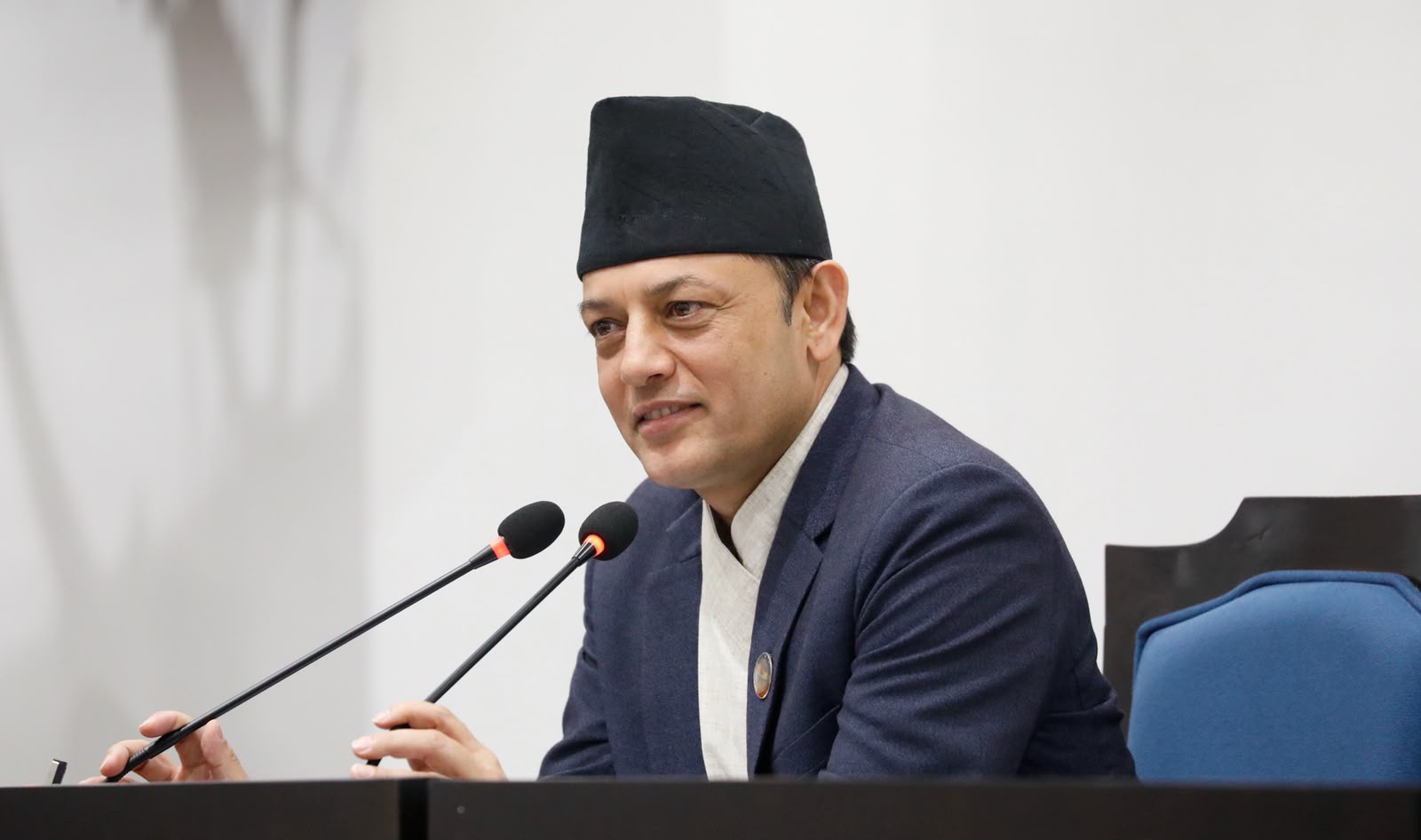
Just two days before the House reconvenes, Speaker DP Aryal has called a meeting with the chief whips and whips of political parties. However, he has yet to prepare a parliamentary calendar, leaving the House without a formal work schedule since June 29.
Although the government has pledged to register 64 bills in the Federal Parliament by mid-November, none has been tabled so far. On July 15, Minister for Law, Justice and Parliamentary Affairs Sobita Gautam submitted a legislative roadmap to Speaker Aryal and National Assembly Chair Narayan Dahal, outlining plans to introduce 166 bills within the next year.
According to the roadmap, 64 bills will be registered by mid-November, another 45 by mid-February, and an additional 57 by next June.
A ruling party lawmaker said the government is considering extending the current budget session until the Dashain festival to expedite work on pending legislation.
Since June 29, the House has held seven meetings without a parliamentary calendar. During that period, lawmakers endorsed four replacement bills for ordinances and three budget-related bills.
The House of Representatives Regulations require the Speaker, in consultation with the Business Advisory Committee, to prepare and implement a parliamentary calendar to ensure the orderly conduct of legislative business. Opposition parties say repeated calls to prepare such a calendar have been ignored.
Nepali Congress Chief Whip Basana Thapa said the government had effectively stalled Parliament by failing to provide legislative business.
“We raised the issue of preparing a parliamentary calendar during the Business Advisory Committee meeting, but it was ignored,” Thapa said. She added that despite the long adjournment, the government has not clarified what agenda it intends to bring before the House.
Thapa also criticized Parliament for failing to address the widespread damage caused by the ongoing monsoon, saying neither the Speaker nor the parliamentary secretariat had shown urgency in discussing disaster response or issuing directives to the government.
“There appears to have been no meaningful discussion on disaster response. During the monsoon, lawmakers are unable to visit their constituencies, while the government has failed to provide Parliament with business. We hope to have more clarity after tomorrow’s meeting with the Speaker,” she said.
Parliament Secretariat spokesperson Ekram Giri defended the absence of a calendar, saying Parliament had been primarily occupied with mandatory business, including budget-related legislation and replacement bills that had to be passed within constitutionally mandated deadlines.
“The immediate workload and constitutional deadlines took priority over preparing a parliamentary calendar,” Giri said.
The budget session’s principal responsibility—passing the national budget—has already been completed. Several bills, including those related to the National Forensic Science Laboratory, the Film Act, Intangible Cultural Heritage, the National Service Corps, the re-establishment of the Nepal Special Service Act, and the Nepal Rastra Bank, remain under consideration in the National Assembly.
Rastriya Swatantra Party (RSP) Whip Prakash Chandra Pariyar rejected claims that the government lacks legislative business, arguing that several bills are already in the parliamentary pipeline.
“There is no shortage of business. We have outlined plans for 166 bills over the next three years, and the process has already begun,” Pariyar said, adding that the current Parliament has been more productive than its predecessor.