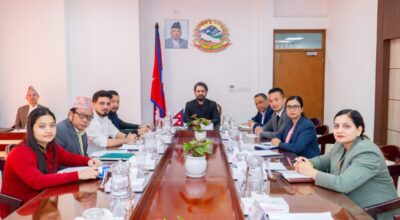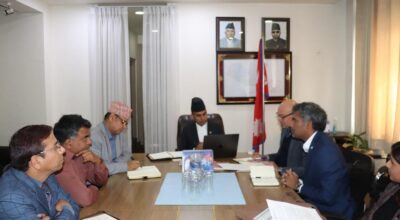


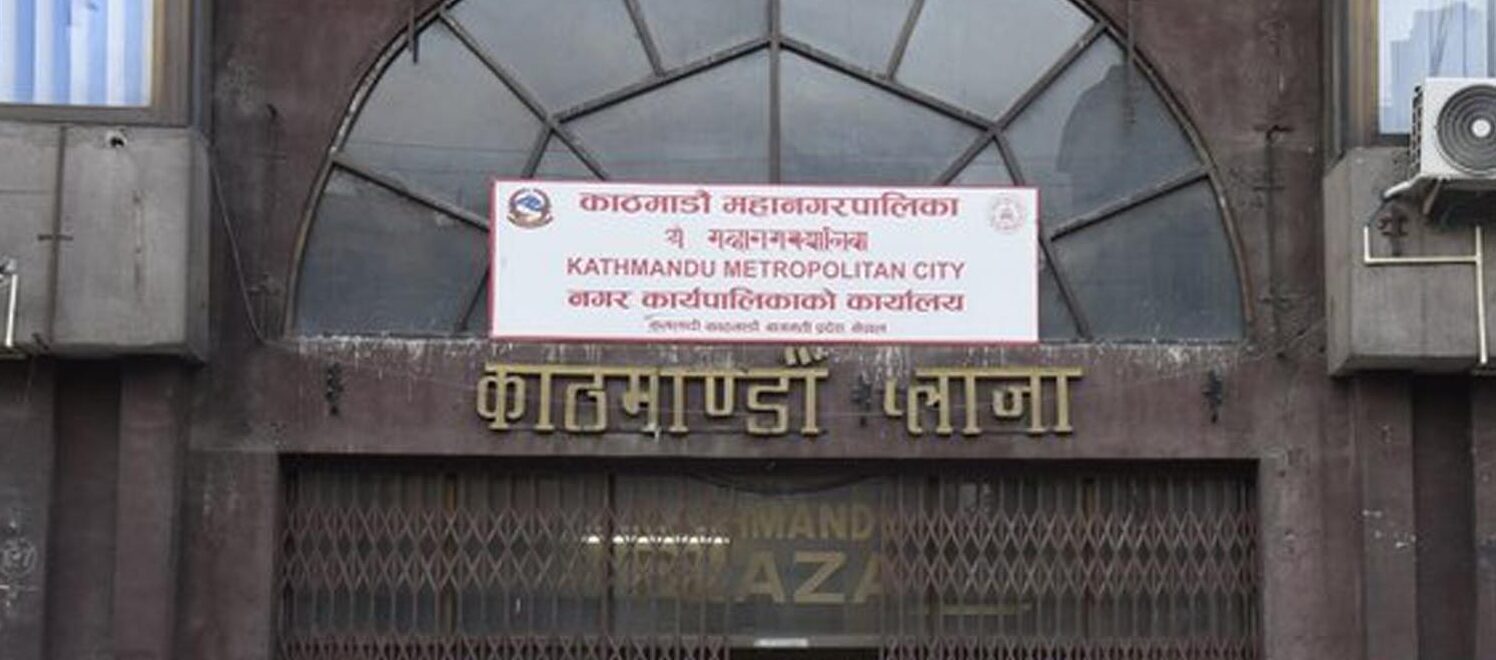
KATHMANDU: Acting Mayor of the Kathmandu Metropolitan City, Sunita Dangol, has directed the bodies concerned that public toilets be operated as essential, basic, and mandatory services.
Acting Mayor Dangol directed to prioritize work that makes public toilets clean, safe, organized, inclusive, and accessible to all citizens, taking note of the situation highlighted in the study report by the Urban Planning Commission on the current state and proper operation needs of public toilets in the city.
The commission recently carried out a study on 169 public toilets, looking at their condition, operation system, physical structure, cleanliness, water availability, and accessibility for people with disabilities, and found that the toilets need improvements.
The study suggests focussing on making the existing toilet structures better managed, of high-quality, and user-friendly rather than just increasing the number of toilets. It concludes that the facilities of the existing operational toilets can be improved through maintenance, upgrading, and reconstruction.
Acting Mayor Dangol, expressing gratitude to the petrol pump operators for improving the cleanliness of the toilets they run at the request of the metropolitan city and making them more user-friendly, said, “Every public toilet should be made women-friendly, child-friendly, and accessible. Let us fulfill this responsibility with honesty.”
While presenting the study report, Commission member Damodar Giri said, “Out of the 169 public toilets in the metropolitan area, 113 are operating regularly. Nine are partially operating, 10 are under construction, 14 are closed or not in use, and two are unusable. The operational status of 21 toilets is unclear.”
The study suggests that when choosing a site for building new public toilets, it is important not just to consider land availability but also pedestrian and vehicle access, water, drainage, user demand, and the feasibility of operation, while taking into account the construction and ownership of the land and identifying location needs.
The KMC has started the work of improvement by categorizing the suggestions received into immediate, medium-term, and long-term actions through an action plan. The commission had started the study from August 19 this year.
The existing policies, laws, and institutional arrangements were reviewed, integrated records were verified at the ward level, and on-site inspections were conducted as part of the study.