



KATHMANDU: The process to revive the long-idle waste-to-energy plant at Teku in Kathmandu has officially begun, following an initiative led by Minister for Energy, Water Resources and Irrigation Biraj Bhakta Shrestha.
The project will be restored as a model waste-to-energy facility under a memorandum of understanding (MoU) signed between the Kathmandu Metropolitan City (KMC) and the Alternative Energy Promotion Centre.
Minister Shrestha proposed linking urban waste management with clean energy generation to address the growing challenge of municipal waste while promoting environmental protection and renewable energy. Based on the proposal, the two sides agreed to bring the Teku plant back into operation.
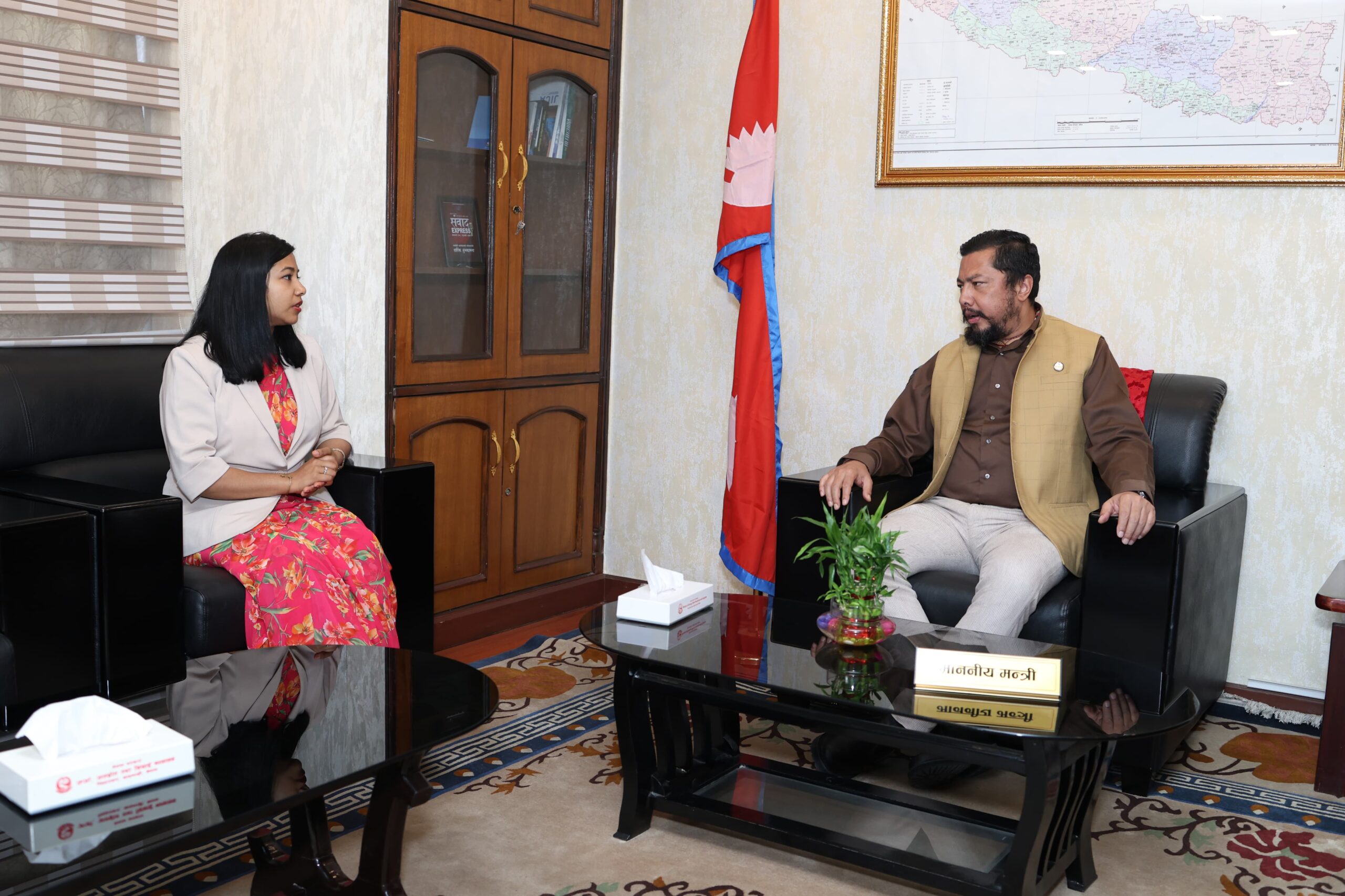
During a recent meeting between Minister Shrestha and Acting Kathmandu Mayor Sunita Dangol, the two sides discussed plans to restart the facility within the current fiscal year. They also reviewed measures to improve the management and maintenance of Kathmandu’s street lighting system, expand solar-powered street lights, and promote electrification compatible with heritage sites.
Following the meeting, coordination between the agencies was led by AEPC board member Ankita Shah. She said the centre plans to strengthen cooperation with KMC on expanding solar street lighting, heritage-friendly electrification and waste-to-energy projects.
The MoU clearly defines the responsibilities of KMC and AEPC for the reconstruction, operation, transfer and long-term management of the project. Under the agreement, the plant is targeted to resume operations within the next two months.
The facility was originally built with financial assistance of around Rs 18 million from the European Union and operated for a limited period before being shut down. AEPC said funding for its restoration will be managed through the World Bank-supported Mini Grid Energy Access Programme.
The programme has already implemented waste-to-energy projects in seven municipalities and supported more than 20 large-scale commercial biogas projects.
AEPC said it has completed feasibility studies on waste-to-energy projects across municipalities nationwide. It has also prepared a project proposal worth approximately US$48 million, which is currently awaiting approval from the Ministry of Finance for submission to the Green Climate Fund.
In addition, the centre is advancing waste-to-energy initiatives linked to the carbon market under Article 6.2 of the Paris Agreement. It has also invited expressions of interest to promote small, medium and large biogas projects in institutional, community and commercial sectors.
With biodegradable waste management becoming a major challenge in urban areas, officials expect such projects to improve waste disposal while producing biogas and organic fertiliser, contributing to the development of a circular economy.