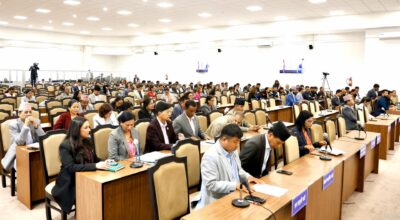


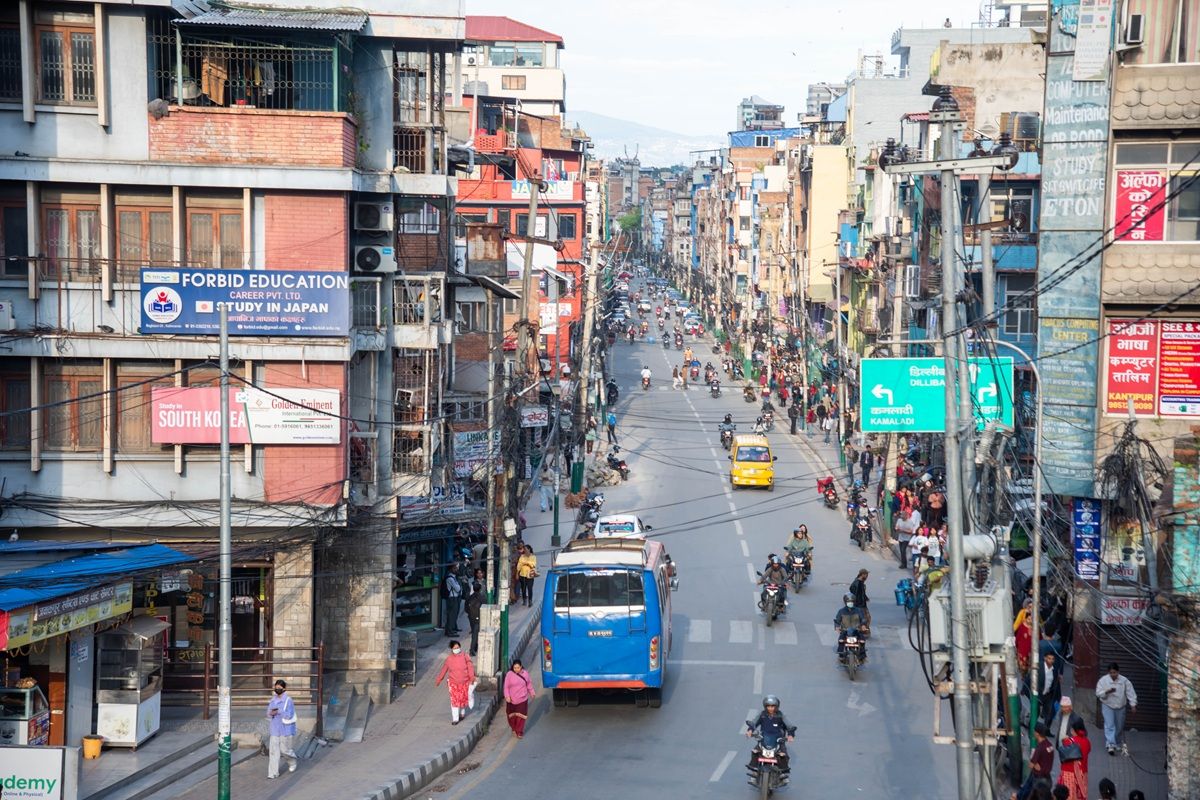
KATHMANDU: Kathmandu Metropolitan City (KMC) has announced a one-time waiver of all outstanding business taxes for enterprises that register their businesses by mid-October (end of Asoj 2083 BS), regardless of when they began operating. The provision has been incorporated into the Economic Act 2083, endorsed by the 19th Municipal Assembly, as part of the city’s efforts to bring more businesses into the formal tax system.
Under the new law, all businesses operating within the metropolitan area must complete their registration by the end of Asoj. Businesses registering within the deadline will also receive a 10 percent discount on the applicable registration fee. Those failing to register on time will be subject to an additional Rs 1,000 late penalty.
The Act also revises the base fiscal year for business taxation from FY 2015/16 (2072/73 BS) to FY 2022/23 (2079/80 BS).
Businesses classified into 12 categories
The Economic Act classifies all commercial activities into 12 business categories, with registration and renewal fees determined according to the nature of the business, capital investment and operational scale.
Trade and retail businesses
Importers of foreign liquor will pay Rs 30,000, while importers of foreign tobacco products will pay Rs 25,000 in annual business tax.
Wholesale dealers in gold, silver and precious stones will be charged Rs 30,000, while retail jewellery businesses will pay between Rs 5,000 and Rs 10,000.
Department stores will pay Rs 125,000, business complexes Rs 100,000, and retail businesses such as clothing, footwear and grocery stores will pay between Rs 1,500 and Rs 10,000, depending on their size.
Professional and consultancy services
Foreign consulting and research firms will be required to pay Rs 50,000, while domestic consultancy firms will pay between Rs 3,000 and Rs 10,000 based on capital investment.
Foreign employment consultancies will pay Rs 25,000, educational consultancies Rs 10,000, while engineering, auditing and legal firms will be charged between Rs 3,000 and Rs 10,000.
Online businesses and e-commerce platforms will pay Rs 3,000.
Manufacturing and industry
Soft drink manufacturers and distilleries will each pay Rs 50,000.
Underground water treatment plants will be taxed Rs 50,000, while bottled water producers will pay Rs 7,000.
Printing presses, garment factories, footwear manufacturers and food industries will pay between Rs 2,000 and Rs 12,000, while hydropower and electricity trading companies will be charged Rs 10,000 to Rs 50,000.
Agriculture and food businesses
Large agricultural wholesalers will pay Rs 15,000.
Wholesale sellers of fish, meat and eggs will pay Rs 6,000, while retailers will pay Rs 2,500.
Nurseries, beekeeping enterprises and vegetable farms will pay Rs 2,000, veterinary hospitals Rs 15,000, and modern slaughterhouses Rs 10,000.
Hotels, tourism and entertainment
Casinos face the highest business tax at Rs 300,000. Five-star hotels will pay Rs 100,000, four-star hotels Rs 80,000, one-star hotels Rs 20,000, and standard hotels Rs 10,000.
Homestays and small restaurants will pay between Rs 3,000 and Rs 10,000.
Foreign airlines will be taxed Rs 50,000, domestic airlines Rs 25,000, while multiplex cinemas will pay Rs 12,000.
Communication services
Telecommunications and mobile service providers will pay Rs 100,000. Internet service providers and cable television operators will be charged between Rs 10,000 and Rs 40,000, depending on subscriber numbers.
Online news portals will pay Rs 500, local newspapers Rs 1,000, national newspapers Rs 2,000, and courier companies between Rs 5,000 and Rs 25,000.
Financial institutions
Commercial banks will pay Rs 100,000 for their head office and Rs 50,000 for branch offices.
Development banks will pay Rs 75,000, finance companies Rs 50,000, while cooperatives will pay between Rs 2,000 and Rs 15,000 according to their classification.
Insurance companies and stock brokerage firms will each pay Rs 50,000.
Health services
Medical colleges will pay Rs 300,000. Hospitals will be taxed between Rs 15,000 and Rs 150,000, depending on bed capacity.
Polyclinics will pay Rs 15,000, clinics Rs 7,500, pharmaceutical industries Rs 15,000 to Rs 75,000, and laboratories and diagnostic centres Rs 5,000 to Rs 25,000.
Education and training
Secondary schools will pay between Rs 30,000 and Rs 100,000, depending on student enrolment. Colleges and universities will be charged Rs 10,000 to Rs 100,000, while Montessori and basic schools will pay between Rs 5,000 and Rs 30,000.
Computer, language and vocational training centres will pay between Rs 3,000 and Rs 10,000.
Repair and maintenance
Heavy vehicle service centres operated by automobile companies will pay Rs 50,000, while light vehicle service centres will pay Rs 15,000. Motorcycle repair workshops will be charged Rs 5,000, mobile phone repair shops Rs 2,000, and electronics and watch repair businesses between Rs 1,500 and Rs 2,000.
Construction businesses
Class ‘A’ construction companies will pay Rs 25,000 for their head office and Rs 5,000 for branch offices. Class ‘B’, ‘C’ and ‘D’ contractors will pay Rs 20,000, Rs 15,000 and Rs 10,000, respectively. Hydropower construction companies will be charged between Rs 25,000 and Rs 50,000.
Other service businesses
Housing companies and real estate firms will pay between Rs 20,000 and Rs 50,000.
Advertising agencies will be charged Rs 5,000, security service companies Rs 15,000, party palaces Rs 20,000, and driving schools between Rs 3,000 and Rs 7,000, depending on vehicle category.
Ride-sharing services and goods transport companies will each pay Rs 10,000, while beauty parlours and salons will be charged between Rs 2,000 and Rs 7,000 based on the level of services provided.
Kathmandu Metropolitan City has urged all businesses to register within the stipulated deadline, pay applicable taxes on time and comply with legal requirements.
For businesses not listed in the Economic Act, tax rates will be determined following recommendations from the Revenue Committee and approval by the metropolitan chief.