

KATHMANDU: A bus fire in Kathmandu’s Tripureshwor has sparked broader discussion about economic, political and social disillusionment among Nepal’s youth, with young activist Miraj Dhungana describing the incident as a possible manifestation of what he calls a “Great Nepali Depression.”
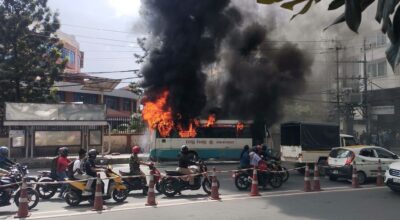
A bus operated by Riddhi Siddhi Yatayat caught fire at a bus stop in Tripureshwor on Monday, injuring its 25-year-old driver, Dawa Lama. Police said their preliminary investigation indicated that Lama may have set the bus on fire himself, although the circumstances surrounding the incident remain under investigation.
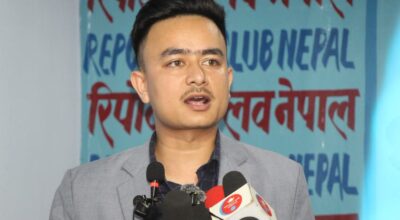
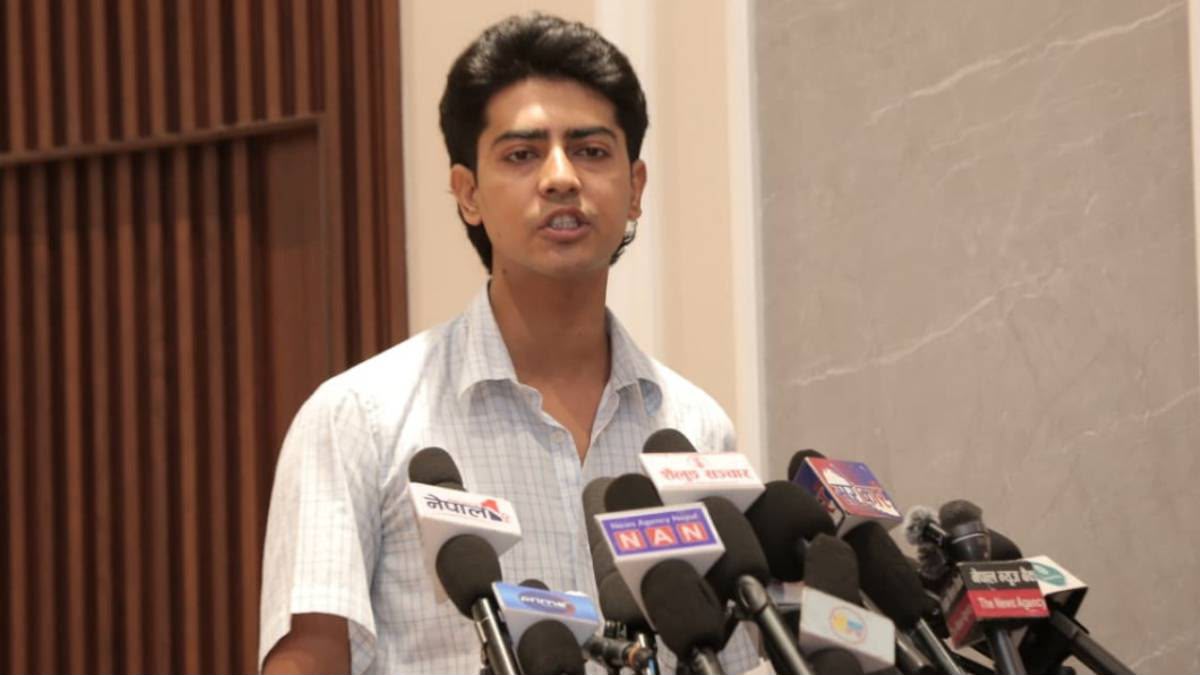
In a video shared on Facebook, Dhungana argued that the incident should not be viewed merely as an isolated event involving an individual. He questioned whether a combination of economic, political and social pressures could push a young person at the beginning of his working life into such an extreme situation.
Dhungana uses the term “Great Nepali Depression” to describe what he sees as a broader crisis of public confidence and opportunity. He points to unemployment, low incomes, limited economic opportunities, political instability, declining trust in state institutions, social insecurity and uncertainty about the future as interconnected challenges.
According to the cycle outlined by Dhungana, political instability can contribute to weak policies, which may discourage investment and reduce production. This can contribute to unemployment and migration, followed by demographic pressures, a weaker domestic market, deeper economic distress and declining political trust—potentially creating a cycle that feeds back into political instability.
His comments come amid renewed public concern over self-harm and self-immolation incidents in Nepal. In July 2026, 25-year-old ride-hailing driver Ganesh Nepali died following self-immolation in Kathmandu, prompting public debate over state institutions, police conduct, employment insecurity and the economic and administrative pressures faced by ordinary citizens.
Reports also documented three separate self-immolation deaths in Nepal within a single week that month. However, the circumstances surrounding those cases differed, highlighting the need to examine each incident individually rather than attributing them to a single cause.
The World Health Organization has likewise emphasized that suicide and self-harm are complex phenomena that cannot be explained by one factor alone. Economic circumstances, family difficulties, substance use, health conditions, lack of emotional support and access to mental health services can all be relevant factors.
Dhungana’s “Great Nepali Depression” framework seeks to connect these individual and structural issues. He argues that public discussion should go beyond asking why an individual takes an extreme step and also examine the broader social, economic and political conditions that may contribute to young people losing confidence in their future.
He has called for broader national reflection, arguing that the condition of a state should not be assessed solely through economic growth or infrastructure development. Public confidence in the future, he says, should also be considered an important measure of a society’s wellbeing.
The central question raised by Dhungana is whether an increasing number of young Nepalis are losing confidence in their ability to build a future in Nepal.
He argues that when economic opportunity, political stability, social security and trust in state institutions weaken simultaneously, individual disillusionment can potentially develop into a wider sense of national despair—what he describes as “Great Nepali Depression.”