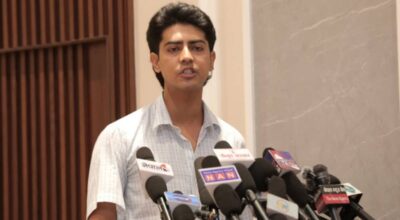


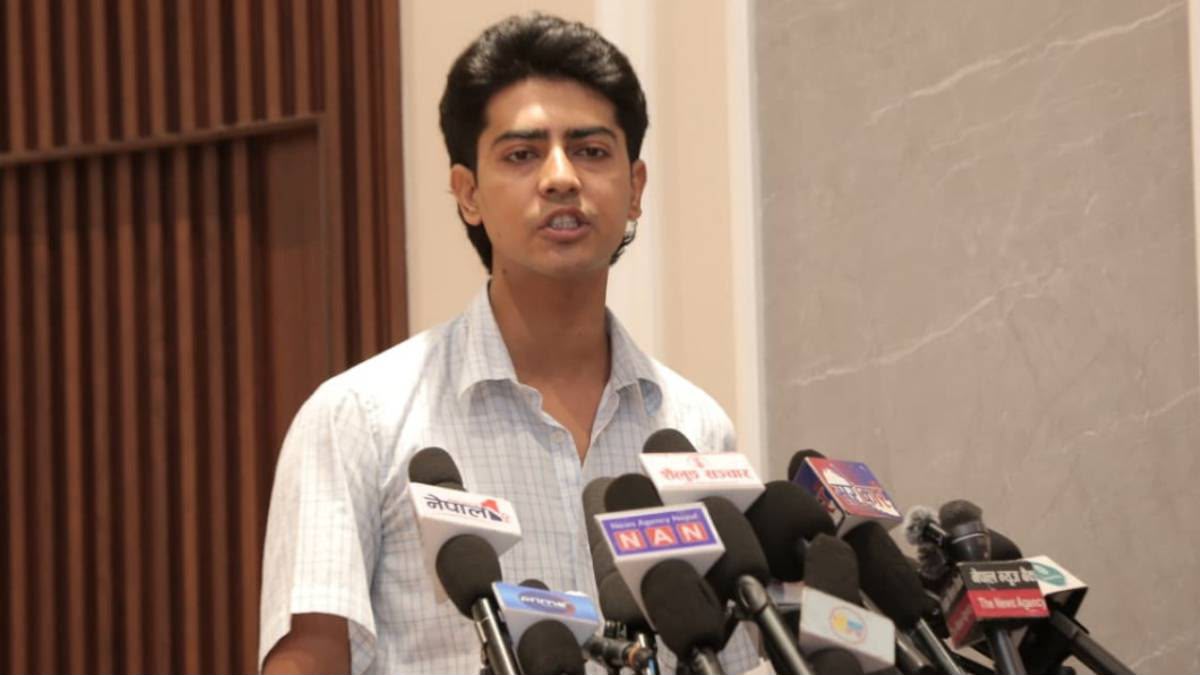
KATHMANDU: Gen-Z activist Miraj Dhungana has said his support for the Nepali Congress during the election was a response to the political circumstances at the time, but that the party cannot solve Nepal’s current political problems.
In a statement posted on social media, Dhungana said the Congress had been used as a “tool to stop an anarchic group” during the election, but was not a solution to the country’s present political crisis.
He said his support was driven by what he considered an immediate need to prevent anarchic and anti-political forces from putting the country and national interests at risk.
Dhungana stressed that the decision was not permanent political support for the Congress. He described it instead as emergency support based on what he called the “principle of necessity.”
He also argued that changing the leadership of an established political party does not by itself change the political system. According to Dhungana, parties that have dominated power for decades lack a clear political direction for transformation, development and prosperity following the revolt. He also questioned whether such parties retain the moral standing to seek a fresh mandate from voters.
At the same time, he said the existence of political parties must be accepted within a democratic system.
“This is democracy, so we have to accept their existence,” he wrote.
Dhungana calls for broader ‘third pole’
Dhungana said Nepal now needs a wider political debate on creating a genuine alternative.
He argued that the idea of a “third pole” or “real alternative force” should not be restricted to a single political party. Instead, he said it should emerge as a broader ideological political current capable of addressing what he described as “extreme Nepali frustration” and the country’s existing contradictions.
Such a political current, he argued, should offer a contemporary path toward development, transformation and long-term political change.
His latest remarks draw a clear distinction between his election-time support for the Nepali Congress and his longer-term political outlook, while calling for the debate on alternatives to move beyond individual parties and toward a broader political current.