

KATHMANDU: The government approved environmental assessment reports and environmental management plans for 106 small and large-scale development projects over the past fiscal year, paving the way for major investments in hydropower, roads, healthcare, tourism, industry, and other infrastructure sectors.
According to the Ministry of Agriculture, Forests and Environment, the approvals were granted between July 17, 2025, and July 16, 2026 (Shrawan 1, 2082–Asar 32, 2083) as part of efforts to advance infrastructure development while ensuring environmental protection.
Data released by the ministry’s Environment and Biodiversity Division show that environmental clearances were issued for projects ranging from large hydropower plants and nationally significant highways to hospitals and industrial developments.
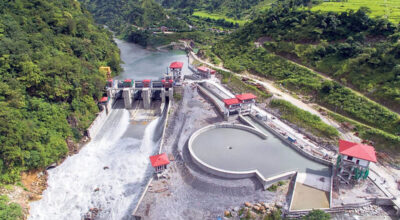
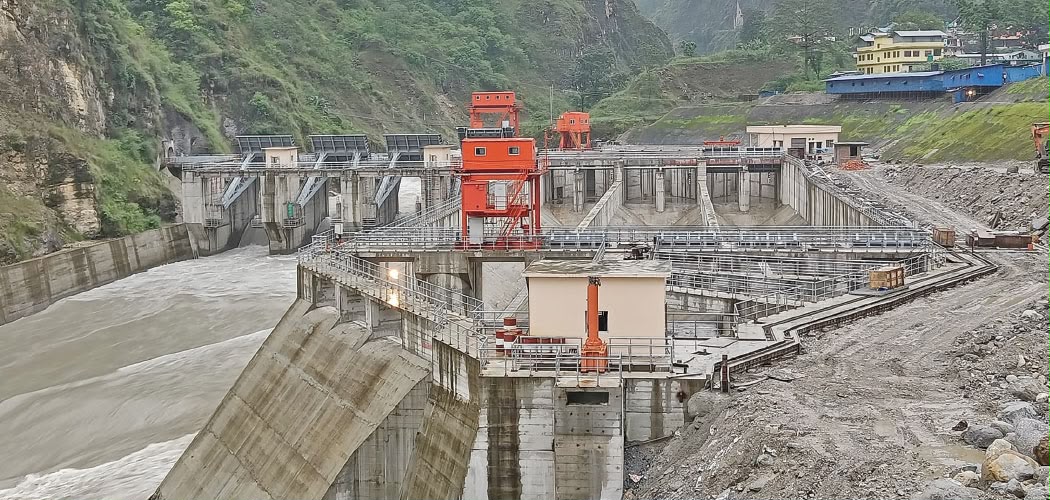
The ministry said the approved projects are expected to unlock investments in key sectors, add thousands of megawatts to Nepal’s hydropower generation capacity, and strengthen the country’s health, education, and transport infrastructure.
Hydropower projects accounted for the largest share of approvals, followed by road expansion, industrial development, tourism facilities, and public infrastructure. Officials believe the approvals will contribute to Nepal’s long-term sustainable development and economic growth.
Seven projects receive revised environmental management plan approval
The ministry also approved revised environmental management plans for seven projects, including the Sunkoshi Marin Multipurpose Project and the Babai Irrigation Project, both considered strategically important for agriculture and irrigation.
Fifteen projects cleared for supplementary environmental studies
A further 15 projects received approval to conduct supplementary environmental studies.
Among them are the 160 MW Lyapche Khola Hydropower Project, the 135 MW Manang Marsyangdi Hydropower Project, and the 86.59 MW Langtuk Madi Hydropower Project. The nationally significant Sikta Irrigation Project and the Daiji Industrial Area in Kanchanpur were also included.
The ministry also extended environmental approval deadlines for five projects, including Surya Cement and the Sunkoshi-3 Hydropower Project, to ensure that development activities continue without unnecessary delays.
Thirty-two scoping reports approved
The highest number of approvals came under the Environmental Impact Assessment (EIA) scoping report category, with 32 projects receiving clearance to proceed to the next stage of the environmental assessment process.
The projects include the 800 MW West Seti Hydropower Project, spanning Doti, Baitadi, and Dadeldhura districts, the 321 MW Upper Bheri Reservoir Hydropower Project, the 135 MW Namlang Khola Hydropower Project, and the 124.35 MW Jagdulla A Hydropower Project.
In the health sector, initial environmental approval processes moved forward for major projects including the Nepal-Korea Friendship Hospital, Ram Janaki Medical College, and Lumbini Cancer Hospital.
Tourism and urban infrastructure projects receiving scoping approval include the IME Hotel, Annapurna Square Hotel, and the International Rugby Stadium, while industrial projects include Maruti Paper and several cement mining operations.
Twenty-six projects receive full EIA approval
The ministry granted full Environmental Impact Assessment (EIA) approval to 26 projects, allowing them to proceed toward implementation after meeting environmental requirements.
Major hydropower projects approved include the 341 MW Budhigandaki Hydropower Project, the 270 MW Bheri-1 Reservoir Hydropower Project, the 90 MW Marsyangdi Reservoir Hydropower Project, the 91.15 MW Budhigandaki Hydropower Project, and the 88 MW Rolwaling Khola Hydropower Project.
Healthcare projects receiving EIA approval include the expansion of BP Koirala Memorial Cancer Hospital and the Ramraja Prasad Singh Academy of Health Sciences Teaching Hospital.
Road infrastructure projects such as the Butwal–Pokhara Highway and the Kohalpur–Surkhet–Babai Road also secured environmental clearance. Tourism-related projects including the Champadevi Cable Car in Kathmandu and The Access Hotel in Biratnagar were also approved.
Six supplementary EIAs approved
The ministry approved six supplementary Environmental Impact Assessments, covering the 135 MW Manang Marsyangdi Hydropower Project, the 70.3 MW Simbuwa Khola Hydropower Project, and the 41.06 MW Sanjen Khola Hydropower Project.
The supplementary approvals also cover the Syafrubesi–Rasuwagadhi Road project and Kathmandu’s Sky Walk Tower, reflecting environmental assessments following changes to project design or capacity.
Nine revised environmental management plans endorsed
The ministry approved revised environmental management plans for nine projects, including the 166 MW Super Tamor Hydropower Project, the 201 MW Upper Marsyangdi Hydropower Project, the 180 MW Kaligandaki Gorge Hydropower Project, the 46 MW Upper Balephi Hydropower Project, and the 40 MW Balephi Khola Hydropower Project.
Also approved were revised plans for the 400 kV Lapsiphedi–Ratmate–New Hetauda and New Damauli–New Butwal transmission line projects.
Six projects fined for violating environmental regulations
The government also took enforcement action against projects that failed to comply with environmental regulations, imposing fines on six projects during the fiscal year.
Among those penalized was the 216 MW Upper Trishuli-1 Hydropower Project.
Other projects fined for violating environmental standards include Hotel Shangri-La Village, Dhulikhel Hospital, Bheri Hospital, and Norvic International Hospital.
The ministry said the enforcement actions demonstrate the government’s commitment to balancing infrastructure development with environmental accountability and ensuring that development projects comply with Nepal’s environmental laws.