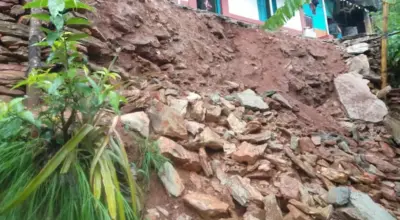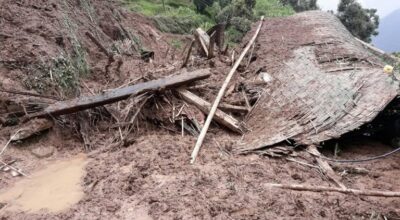


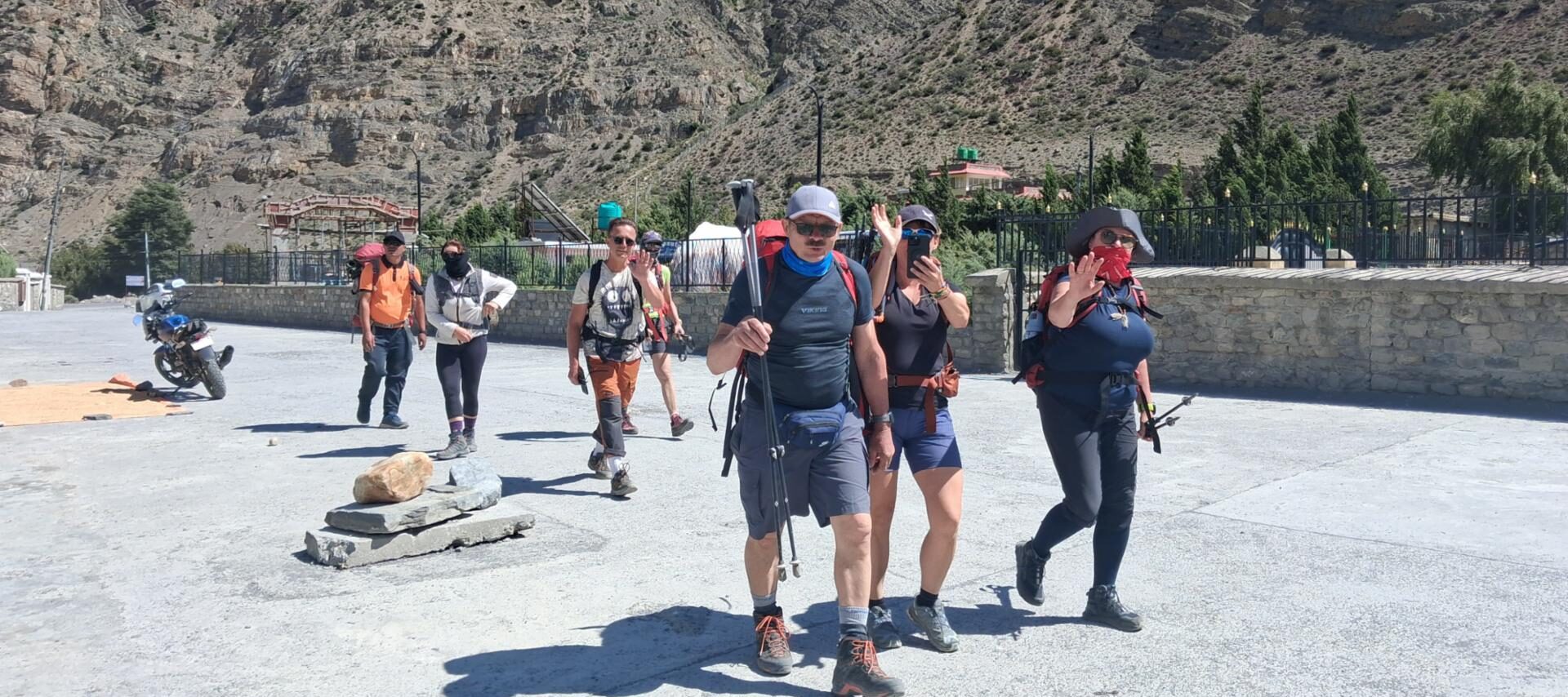
KATHMANDU: Nepal’s peak tourism season, spanning October and November, has suffered a significant setback due to floods and adverse weather conditions. The Bhotekoshi flood on Bhadra 10, followed by persistent rainfall, has damaged roads, bridges, and trekking trails, leading to the cancellation of approximately 40 percent of bookings so far.
Business owners, who were optimistic after securing over 80 percent of bookings in August, are now facing disappointment. Due to the inclement weather, climbers attempting mountains like Manaslu and Dhaulagiri have been forced to return from base camps. Tourism entrepreneur Ngawangima Sherpa noted that international publicity regarding natural disasters has created a misconception that Nepal is unsafe. This has led many tourists, who had planned their visits years in advance, to cancel their trips.
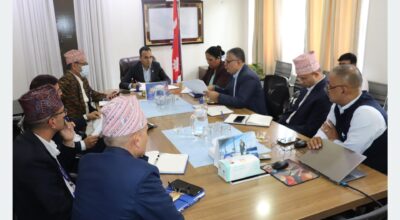
Another entrepreneur, Rajendra Sapkota, stated that the damaged road infrastructure has prevented tourists from reaching their destinations, sending a negative message. He has presented three key demands to the government: extending the validity of permits for those unable to travel, providing concessional rescue services for stranded tourists, and ensuring reliable weather forecasting for mountainous and trekking regions.
Binayak Shah, president of the Hotel Association of Nepal, highlighted that connectivity has become a primary challenge. He suggested that, in addition to Kathmandu, airports in Pokhara and Bhairahawa should operate at full capacity to mitigate transport issues. He also urged the government to launch promotional programs in neighboring markets to convey that Nepal remains a safe destination. According to Nepal Tourism Board data, tourist arrivals in October and November had been steadily increasing in recent years; however, the current natural disasters have directly impacted the hotel, travel, and mountaineering sectors.