

KATHMANDU: A team of Nepali researchers has developed and successfully tested an autonomous flight navigation system designed to prevent aircraft and drone crashes in Nepal’s mountainous terrain, offering a potential breakthrough in aviation safety.
The research, conducted by the Institute of Engineering (IOE), Tribhuvan University with funding from the U.S. Air Force, addresses Controlled Flight Into Terrain (CFIT)-one of the leading causes of aviation accidents in Nepal, where aircraft under full pilot control unintentionally collide with mountains or other terrain.
Led by Dr. Sudip Bhattarai, the research team developed an in-situ path generation system that enables an aircraft or drone to detect terrain hazards in real time and autonomously generate a safe alternative flight path when a collision risk is identified.
According to the researchers, the system compares real-time terrain data with a Digital Elevation Model (DEM) and creates up to 80 alternative waypoints within three seconds, allowing the aircraft to avoid obstacles without human intervention.
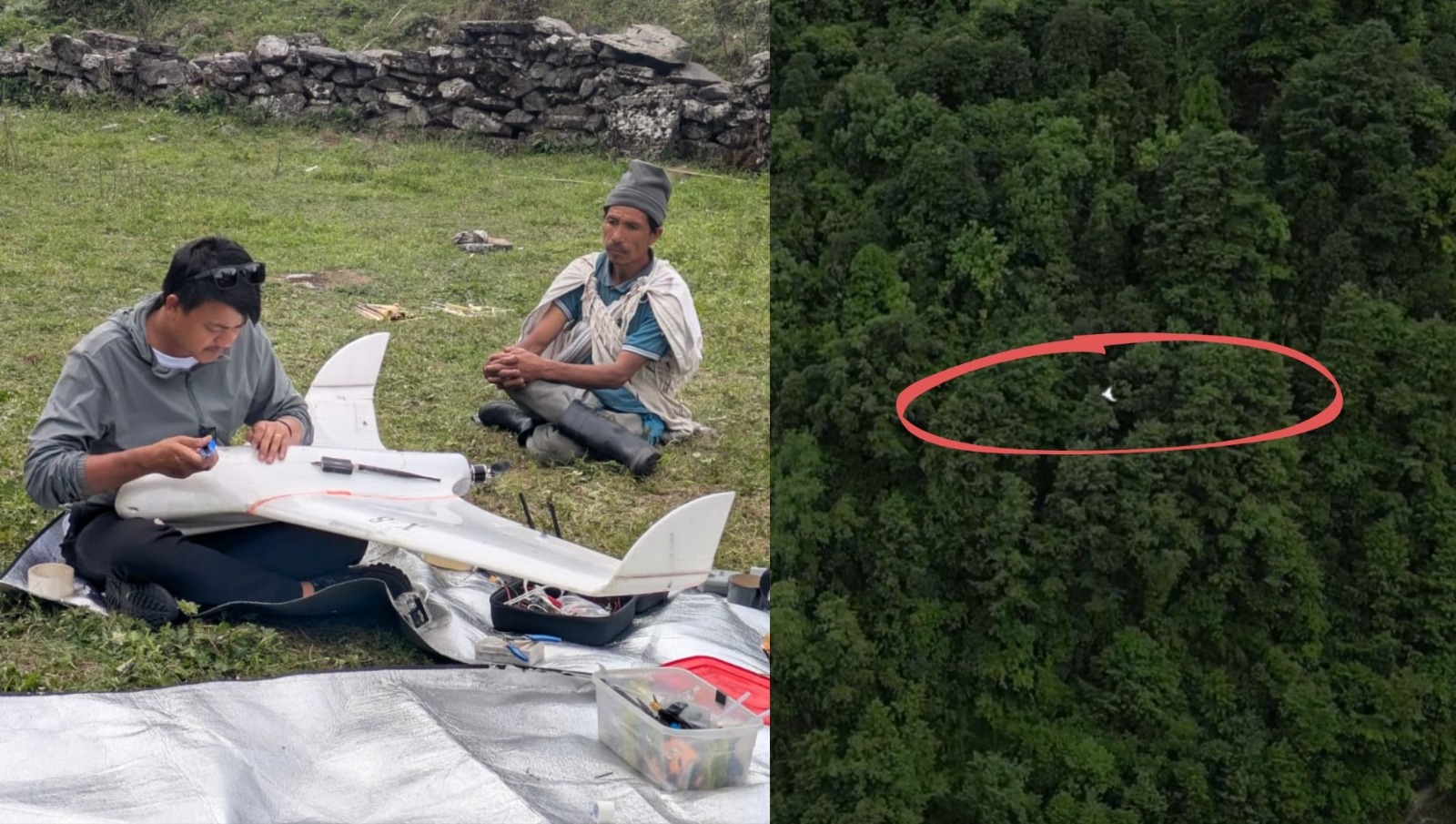
The technology was successfully tested in Lete, Mustang, using a Skywalker X8 unmanned aerial vehicle (UAV). Researchers deliberately directed the drone toward mountainous terrain, where the autonomous system repeatedly altered the flight path and avoided collision.
According to the Civil Aviation Authority of Nepal, 13 of the 24 aircraft accidents recorded between 2013 and 2022 were classified as CFIT incidents, underscoring the significance of terrain-awareness technology for Nepal’s aviation sector.
Dr. Bhattarai said the technology is particularly suited for Beyond Visual Line of Sight (BVLOS) drone operations, including cargo delivery, disaster response, remote sensing, and emergency logistics in remote mountain regions. While further regulatory and technical work is needed before deployment in commercial aircraft, the researchers said the system is ready for potential integration into commercial drone operations.