

KATHMANDU: The government’s announcement to withdraw the controversial Education and Health Service Tax has eased public concerns, but the tax has not yet been legally repealed, as the rollback still requires approval through Parliament.
The government decided to reverse the tax following widespread criticism from the public, media, and social media after concerns emerged that the levy would even apply to essential services such as ambulance and hearse transportation.
Finance Minister Swarnim Wagle had repeatedly defended the tax, arguing that additional revenue from higher-income groups was necessary to finance equitable education and healthcare services. However, mounting public backlash ultimately forced the government to reconsider its decision.
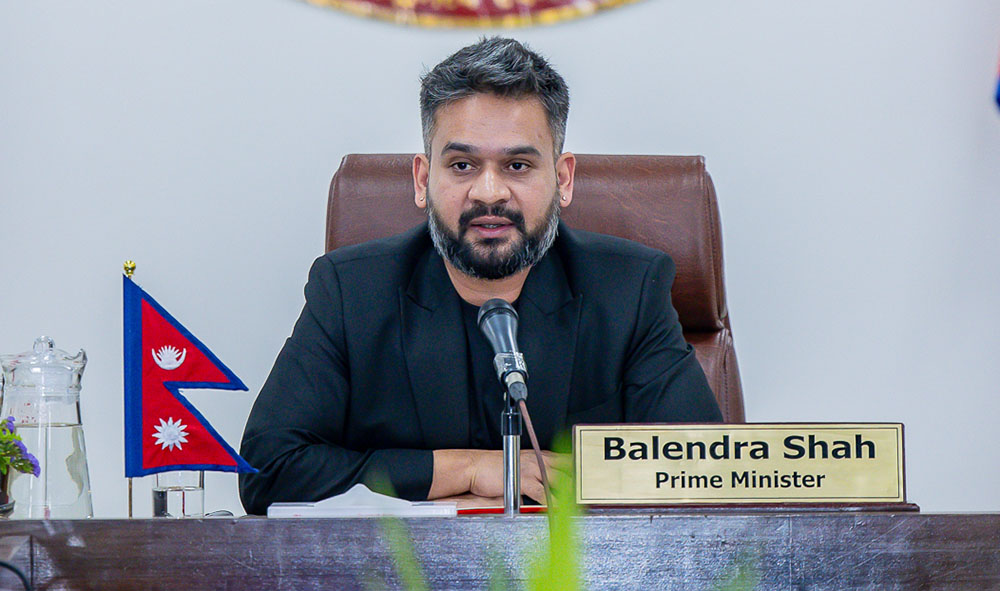
Prime Minister Balendra Shah announced the tax withdrawal on Tuesday through his personal Facebook account rather than via an official government platform or the Office of the Prime Minister and Council of Ministers.
However, the tax was introduced through the Economic Bill presented in the House of Representatives on May 29 (Jestha 15). As a result, the government’s announcement alone is not sufficient to permanently repeal the tax.
Although the Cabinet may temporarily suspend implementation through its executive authority, a permanent repeal requires an amendment to the law.
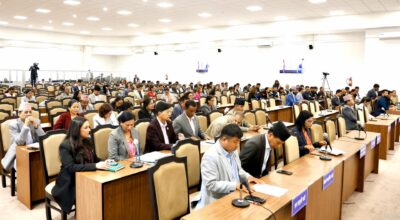
To formally withdraw the tax, the government must register an amendment bill in the House of Representatives explaining the reasons for the repeal. The amendment must be debated and approved by the lower house before being forwarded to the National Assembly.
The National Assembly may return the bill with recommendations within 15 days, although the House of Representatives can pass it regardless of whether those recommendations are accepted.
Once approved by Parliament, the bill must be authenticated by the Speaker and sent to the President for assent. The repeal will become legally effective only after presidential certification and publication in the Nepal Gazette, or from another date specified in the legislation.
Until that legislative process is completed, the government’s announcement remains a policy commitment rather than a legally enforceable repeal of the Education and Health Service Tax.