



KATHMANDU: The Rastriya Prajatantra Party (RPP) has formally decided that its Bagmati Provincial Parliamentary Party will not participate in the process of forming a new provincial government, adding further uncertainty to the province’s political equation.
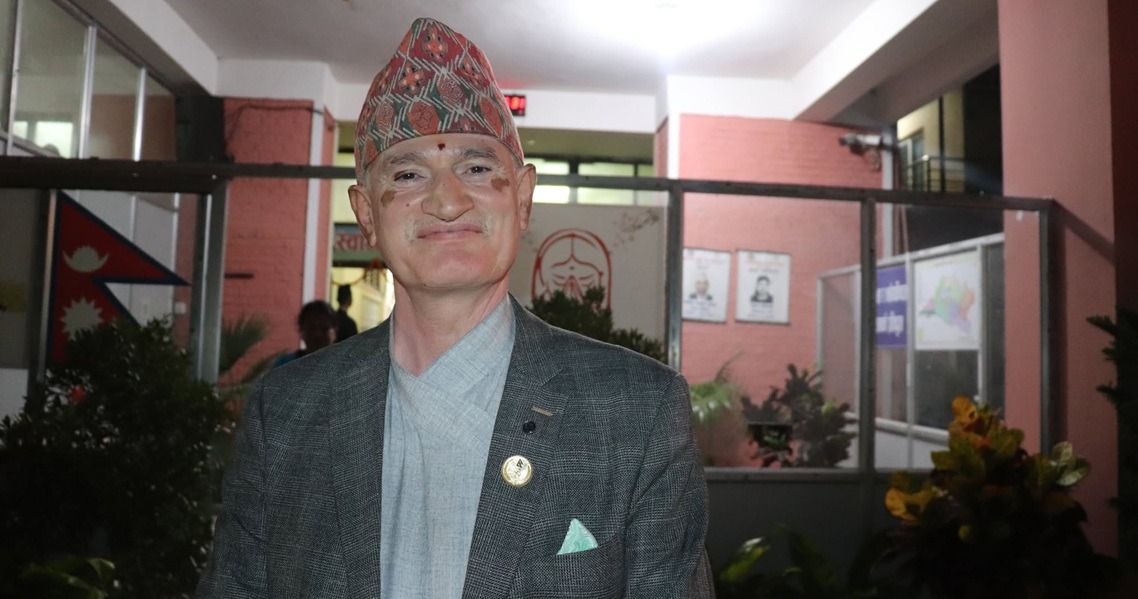
A meeting chaired by RPP Bagmati parliamentary party leader Uddhav Thapa on Thursday night decided not to become involved in what it described as the current “mathematical game” of government formation and to stay out of any power-sharing arrangement.
According to Thapa, the decision was taken in line with instructions from party chairman Rajendra Lingden.
The meeting also endorsed the directives issued by the RPP Central Executive Committee and formally ratified the party’s decision not to join the Bagmati provincial government.
With 12 seats in the 104-member Bagmati Provincial Assembly, the RPP had been viewed as a potential kingmaker in the formation of a new government. However, its decision to remain outside any ruling coalition has forced parties seeking to build a majority to reconsider their strategy.
The move has introduced a new twist in Bagmati’s power politics. Parties engaged in government formation will now have to secure support from lawmakers other than the RPP to reach the required majority.
A minimum of 53 votes is needed to form a government in the provincial assembly. The RPP had been considered crucial both for any new coalition and for the survival of the current Nepali Congress-led government. Its refusal to support either side has created fresh uncertainty over what kind of government will ultimately emerge in Bagmati Province.