

GORKHA: Tourist arrivals to Nepal’s Manaslu region surged by 41 percent in the fiscal year 2025/26 (FY 2082/83), driving tourism revenue to a record high despite geopolitical tensions that dampened visitor numbers during part of the year.
According to the Manaslu Conservation Area Project (MCAP), the region welcomed 16,671 visitors during the fiscal year, up from 12,513 in the previous year.
Of the total, 15,887 were foreign tourists, while 784 were domestic visitors, MCAP Chief Anil Prasain said.
The latest figures continue a strong post-pandemic recovery. Tourist arrivals stood at 9,783 in FY 2023/24 (2080/81), meaning visitor numbers have increased by 58.68 percent over the past three years.
Tourism revenue hits new record
The sharp increase in visitors translated into record tourism revenue.
MCAP collected Rs 41.25 million in entry fees from foreign tourists during FY 2025/26, compared with Rs 32.77 million a year earlier and Rs 25.68 million in FY 2023/24.
Local governments have also benefited from the tourism boom. After introducing a separate visitor fee two years ago, the rural municipality generated Rs 14.64 million in tourism revenue during the latest fiscal year.
According to revenue officer Bishal Ghale, the municipality collected Rs 200 per domestic visitor from around 1,300 Nepali tourists and Rs 1,000 per foreign visitor from approximately 14,600 international travelers.
Middle East conflict weighed on visitor growth
Tourism officials said they had expected regional geopolitical tensions to reduce visitor arrivals, particularly following the conflict between the United States and Iran.
While arrivals still recorded strong year-on-year growth, they fell short of the authorities’ initial projections.
“We had expected tourist numbers to increase over the previous fiscal year, but the conflict in the Gulf affected international travel,” said Bhuwan Ojha, Information Officer at MCAP. “Without the impact of the conflict, we had projected around 18,000 visitors during the fiscal year.”
Growing appeal despite limited infrastructure
Tourism officials attribute Manaslu’s rising popularity to its relatively untouched environment, limited road development and increasing international promotion of its natural, cultural and religious heritage.
Unlike several trekking destinations that have seen rapid road expansion, much of the Manaslu circuit retains its remote wilderness character, making it increasingly attractive to adventure travelers seeking a more authentic Himalayan experience.
However, officials acknowledge that infrastructure development has not kept pace with the growth in visitor numbers.
The region requires improved trekking trails, upgraded hotels, lodges and tea houses, better visitor services, enhanced hospitality standards and the development of new tourism products to sustain future growth.
A premier Himalayan destination
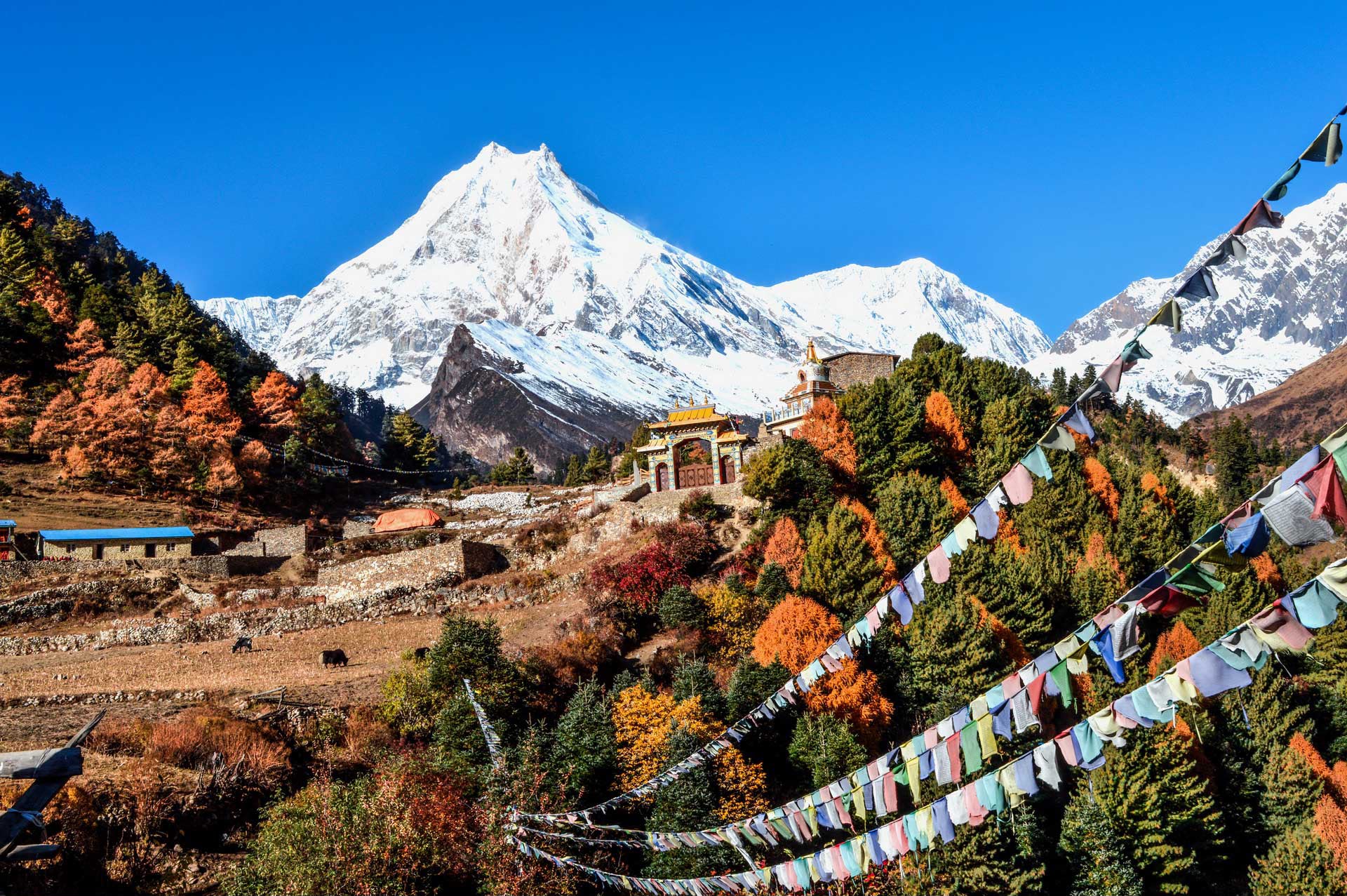
The Manaslu region is home to Mount Manaslu (8,163 metres), the world’s eighth-highest mountain, and features some of Nepal’s most iconic trekking attractions, including Larke Pass, Birendra Lake, Kal Tal, Pungen Monastery, and Serang Gompa.
The area also encompasses the culturally rich Tsum Valley, often referred to as the “Valley of Non-Violence,” where visitors are drawn to ancient monasteries such as Rachen Gompa and Mu Gompa, as well as the Ganesh Himal Base Camp. The region’s preserved Tibetan language, traditional dress and centuries-old Buddhist culture continue to make Manaslu one of Nepal’s fastest-growing mountain tourism destinations.