




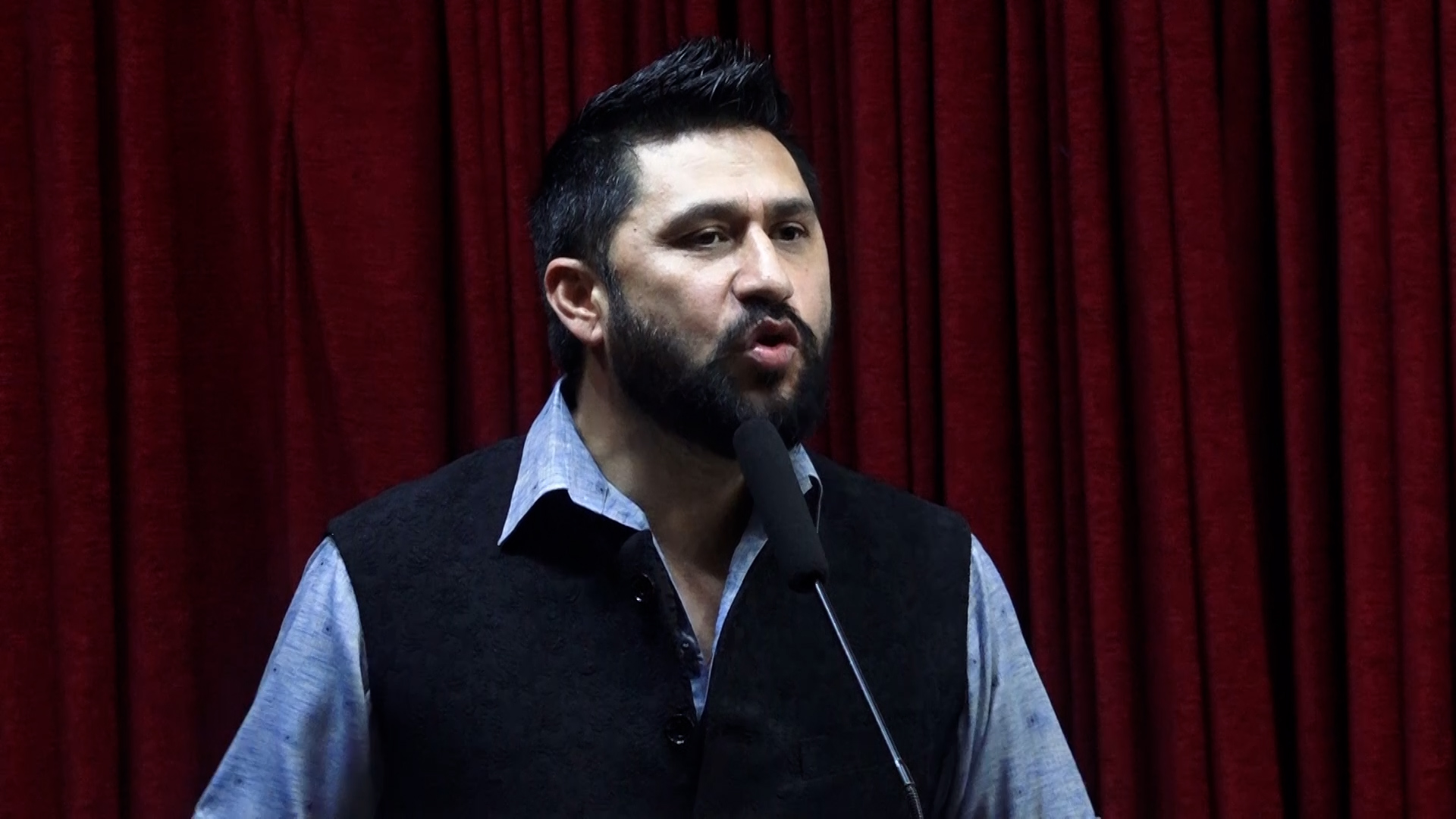
KATHMANDU: Rastriya Swatantra Party (RSP) chairman Rabi Lamichhane has said that the rise of young leaders to positions of power is not an achievement in itself, stressing that youth leadership must now produce tangible results for citizens.
Speaking at an event organized on the occasion of International Youth Day on Wednesday, Lamichhane said that even after four months of a youth-led government, public grievances remained largely unchanged. He expressed concern over the continued protests and crowds at Maitighar, a symbolic protest site in Kathmandu.
“We have been leading the government for four months, yet the voices of dissatisfaction remain the same,” Lamichhane said. “I still see crowds gathering at Maitighar. I cannot tell whether hope has died or whether people have simply become accustomed to protesting. The possibility that it has become a habit worries me.”
He warned that if citizens become habituated to disappointment, no government will be able to satisfy them. At the same time, he cautioned against expecting immediate results from the government.
“If the same criticism continues that nothing has happened in four months, how will we ever move forward?” he asked. “If we develop a habit of demanding results overnight, we will only keep searching for alternatives. Searching for alternatives is not the answer; becoming the alternative is.”
Addressing young lawmakers and ministers, Lamichhane urged them not to treat their positions as opportunities for personal comfort but as serious responsibilities. He said failure by the current generation of young leaders could deprive future generations of similar opportunities.
“This is not the time to enjoy power,” he said. “It is the time to think responsibly. If we fail this time, the young people who come after us may never receive the opportunities we received.”
Lamichhane also acknowledged that he and others had previously criticized Nepal’s older political generation for dominating politics and may not have shown sufficient respect for their experience.
“We constantly complained about politics, and I did too,” he said. “We asked where the youth leadership was and perhaps, because of age, we insulted or ignored experienced leaders. Standing here today, I feel that we may not have respected the older generation enough.”
He said it had once been easy to blame older politicians for the country’s problems, but Nepal’s political landscape had now changed significantly. According to him, the large number of young lawmakers in the House of Representatives represents a historic political development. Lamichhane noted that Nepal currently has one of the world’s youngest prime ministers and said the challenge now is to transform the presence of youth in power into meaningful outcomes.
“The arrival of youth leadership alone does not make our long-held dreams come true,” he said. “Election results and the number of young members in Parliament are not enough. We now face the challenge of turning that mandate into real results for the people.”