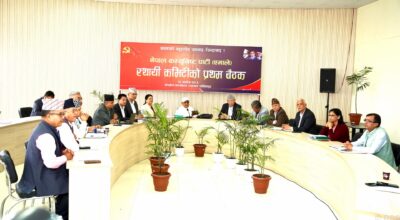


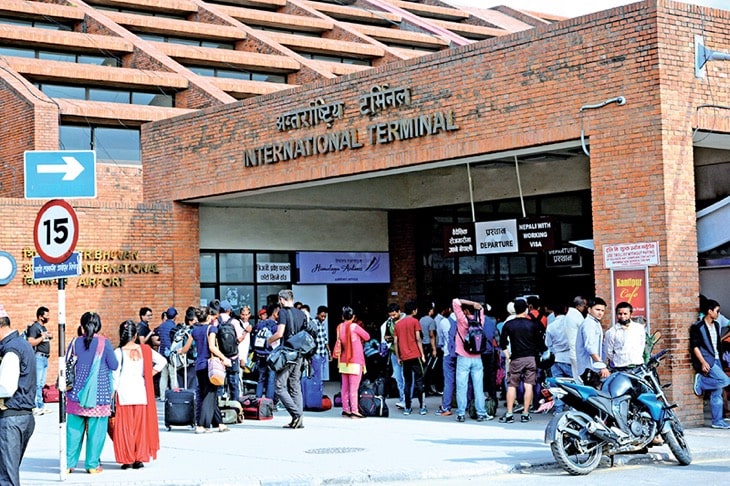
KATHMANDU: Experts in population studies have warned that the increasing trend of internal and external migration is leading to a potential labor shortage in Nepal. During a program organized by the Institute for Policy Research and Studies, experts emphasized that the state must implement effective policies to utilize the demographic dividend within productive sectors.
Padma Prasad Khatiwada, an associate professor at the Central Department of Population Studies at Tribhuvan University, stated that it is difficult to build a vision for socialism without understanding the multidimensional aspects of migration. He noted that migration driven by employment, natural disasters, and conflict has disrupted production systems, particularly in the hills and mountains. According to Khatiwada, the number of people obtaining labor permits for foreign employment rose from 3,259 in 1996 to 165,103 within a decade of the conflict. Furthermore, India’s share in foreign employment has dropped from 95 percent in 1981 to 37.5 percent by 2021.
Yogendra Bahadur Gurung, head of the same department, stated that the population should be viewed as a resource rather than just a statistic. He highlighted that Nepal’s annual population growth rate is now below one percent, with the economically active population at approximately 65 percent and an average life expectancy of 71 years. ‘The state should embrace this golden opportunity of the population as a suitable chance to widen the socialist path,’ he said. Experts concluded that the changing demographic structure, characterized by a declining birth rate and an increasing number of senior citizens, should be managed as both a challenge and an opportunity for national development.