

KATHMANDU: Nepal’s decision to retain a larger share of reinsurance business within the country has raised concerns among insurers, who warn that the policy could create problems in settling large claims unless domestic reinsurers first strengthen their capacity.
Under the fifth amendment to the Reinsurance Directive, 2080, insurance companies must reinsure at least 20% of their business directly with Nepal Reinsurance Company.
After that, at least 30% of the remaining reinsurance business must also be placed with domestic reinsurers. Motor, agriculture and livestock, riot and terrorism risks must be fully reinsured within Nepal.
Insurers say the new arrangement could leave more than half of their reinsurance business concentrated in the domestic market.
“Keeping a large share of reinsurance within the country increases risk concentration and could create problems in claims settlement,” said Birendra Baidwar Chhetri, president of the Nepal Insurers’ Association. He cited the difficulties experienced during the Gen Z movement as an example.
Chhetri said insurers had asked the regulator to reconsider the provision, arguing that domestic reinsurance capacity should be expanded before imposing higher mandatory allocations.
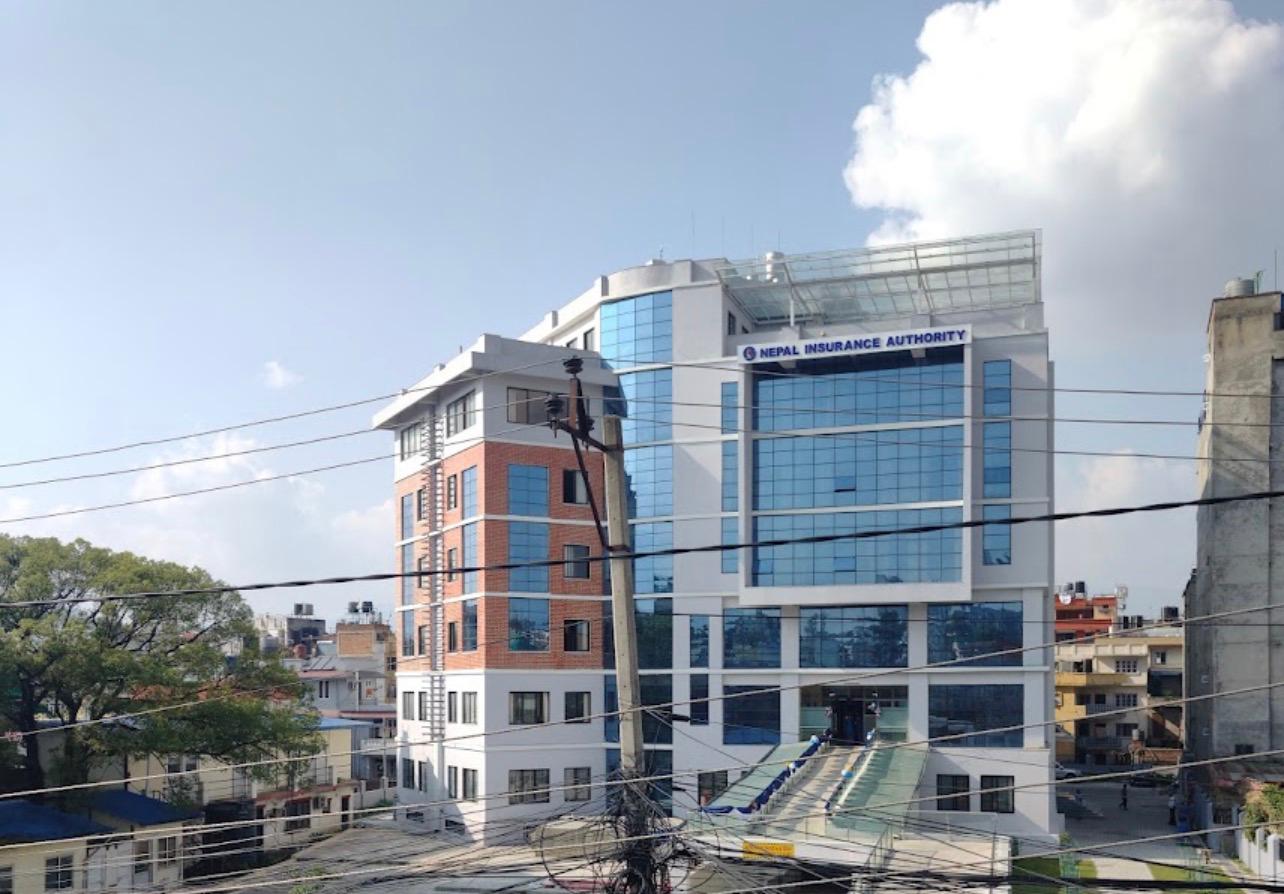
The Nepal Insurance Authority, however, says the amendment implements a provision announced in the government’s budget for fiscal year 2083/84. Executive Director Sushil Dev Subedi said the regulator would monitor the policy and could revise it if domestic reinsurers were unable to absorb the required risks.
The directive also seeks to prevent excessive concentration in a single reinsurer. Non-life insurers cannot place more than 50% of their total portfolio with one reinsurer, while the lead reinsurer can receive a maximum of 40% and each following reinsurer up to 20%.
The debate comes as insurers prepare to process claims from the Bhotekoshi floods. The Nepal Insurers’ Association has instructed companies to appoint contact persons and begin collecting loss information, with faster claim payments planned once access improves and physical damage can be assessed.