

KATHMANDU: The government has registered a new Mining and Mineral Resources Bill in the House of Representatives, proposing a fine of up to Rs 1 crore for mining without a licence and up to 10 years in prison for unauthorised exploitation of radioactive minerals.
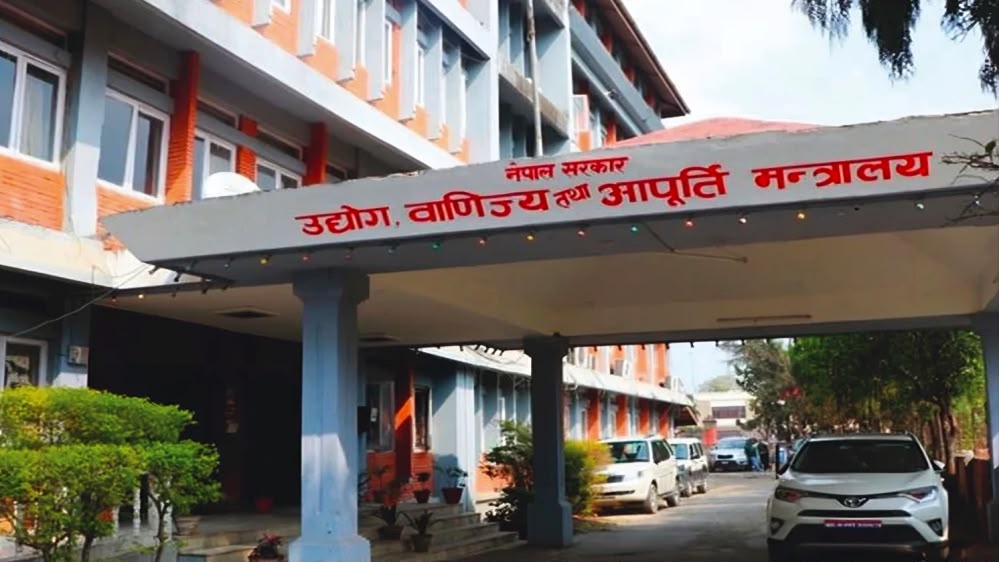
The bill, registered by Industry, Commerce and Supplies Minister Gauri Kumari, seeks to replace the existing Mines and Minerals Act, 1985, and introduce a federal framework for managing Nepal’s mineral resources.
Under the proposed law, unauthorised extraction of ordinary minerals could attract a fine ranging from Rs25 lakh to Rs1 crore, depending on the type and quantity of minerals. Unauthorised exploration could result in a fine of up to Rs5 lakh.
The bill proposes tougher penalties for radioactive minerals. Unauthorised exploration or exploitation could result in a fine of Rs5 lakh to Rs10 lakh and imprisonment for five to 10 years. Machinery, equipment and tools used in illegal mining, along with illegally extracted minerals, would also be confiscated.
The bill gives the federal government primary authority over mineral extraction while assigning exploration responsibilities to provincial governments. Local governments would have the primary responsibility for protecting and monitoring mines within their areas.
Minerals have been classified as precious, important and ordinary. Gold, platinum, precious stones and uranium are among those classified as precious minerals.
Exploration licences would be valid for up to three years for precious minerals, two years for important minerals and one year for ordinary minerals. Extraction licences could be issued for up to 10 years for very small mines, 15 years for small mines, 20 years for medium mines and 30 years for large mines.
The bill also proposes that individuals would not need a mining licence to collect or use ordinary construction materials such as stone, gravel, sand, soil and slate found on their own private land for personal use.
Strategic minerals designated by the government would be extracted only through fully state-owned companies. Radioactive mineral activities would remain under the exclusive authority of the federal government and require prior approval from the relevant radiation regulatory body.
Companies would have to pay annual land rent and royalties for mining activities. Ten percent of collected royalties would be allocated to the concerned local government as a mineral utilisation fee.
The proposed law also includes provisions on private land acquisition and compensation, geological research, mineral testing, investment protection and dispute resolution.
The government says the bill is intended to modernise mineral administration under the federal system, strengthen regulation and create a more investment-friendly environment in Nepal’s mining sector.