


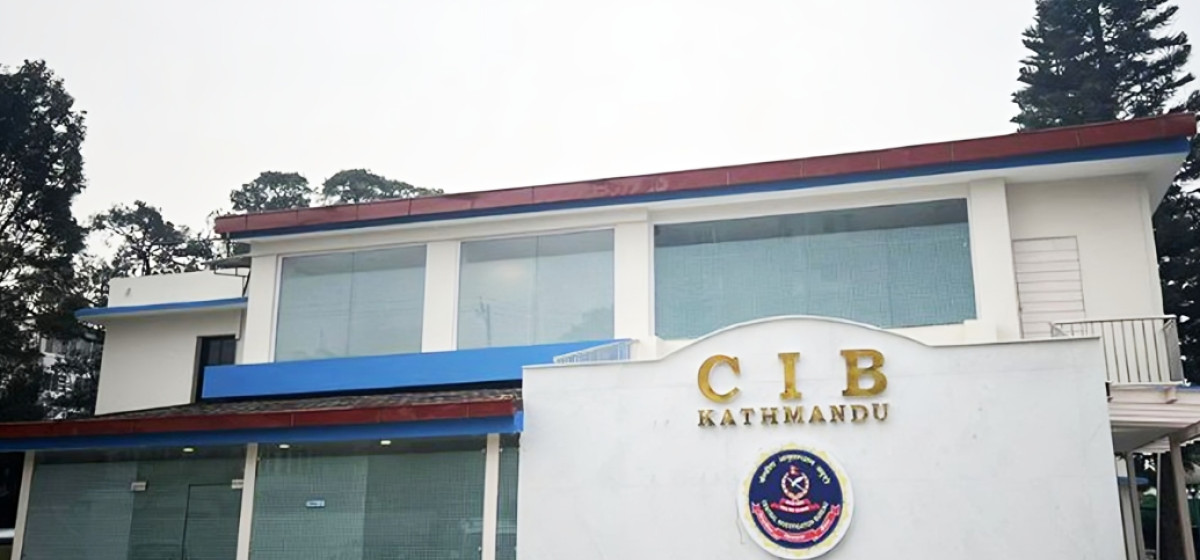
KATHMANDU: Nepal’s banking sector is facing growing scrutiny as the Central Investigation Bureau (CIB) steps up investigations and arrests of bank directors and chief executives over alleged financial crimes.
The latest case involves Nepal Investment Mega Bank (NIMB), whose officials are being investigated over the recovery of loans extended to Smart Telecom. CIB has linked the bank’s loan-recovery process to allegations of fraud, organised crime and banking offences.
NIMB has strongly rejected the allegations, saying it followed prevailing laws, Nepal Rastra Bank directives and established banking practices while recovering the loan.
According to the bank, Smart Telecom failed to repay its loan, prompting NIMB to auction telecommunications equipment, towers and other secured assets under the Secured Transactions Act 2006 and the Banks and Financial Institutions Act 2017. The bank said it first published a 35-day auction notice, followed by another 15-day notice.
NIMB said bids were opened in the presence of representatives from government offices through a sealed-bid process. It argued that neither the bank nor its officials knew in advance which company would submit what bid, making allegations of collusion baseless.
The bank also said around Rs380 million from the auction proceeds has been kept separately to cover outstanding rent and electricity bills owed to property owners where Smart Telecom’s equipment and towers were installed. The amount remains secured in the bank’s account, which CIB has frozen, it said.
NIMB said the loan was part of a consortium arrangement and that the auction process was initiated only after decisions involving the participating banks. It also rejected allegations of banking offences, arguing that the valuation and auction of machinery and equipment under project-based lending follow established procedures.
CIB arrested several individuals in connection with the Smart Telecom case, including Sarvesh Joshi, Narendra Ulak, bidder Palina Shrestha and NIMB chief executive Jyoti Prakash Pandey. Pandey was released three days after his arrest. All accused linked to the case have since been released.
The arrest of bank officials has raised concerns across the banking industry. NIMB warned that treating routine loan-recovery measures as criminal activity could undermine confidence in the banking system and discourage banks from taking necessary steps to protect depositors’ money.
The bank has also filed a writ petition at the Supreme Court after arrest warrants were issued against members of its board.
Former Nepal Rastra Bank governor Deependra Bahadur Chhetry said investigations should be carried out in consultation with the central bank. He said banks have a primary responsibility to protect depositors’ funds, while CIB should focus on genuine financial crimes such as foreign-exchange violations and misuse of loans.
The issue is not limited to NIMB. CIB has also investigated former chairman Deviprakash Bhattchan, former CEO Ashok Sherchan and other officials of Prabhu Bank in a separate banking-offence case. The case, filed by the government attorney’s office at the High Court, remains pending.
Bankers argue that Sections 56 and 57 of the Banks and Financial Institutions Act allow banks to auction collateral and recover principal and interest when borrowers fail to meet their obligations. However, CIB’s recent investigations have raised questions about how far such recovery measures can go before they become subject to criminal investigation.
The growing tension between banking regulation and criminal investigation has left bank directors and chief executives increasingly concerned about personal liability while carrying out routine loan-recovery decisions.