

KATHMANDU: The Nepali promoters of United Telecom Limited (UTL), a telecom operator that has remained largely inactive for years, have stepped up efforts to secure renewal of the company’s licence as its 10-year term approaches expiry, even as the operator faces more than Rs 30.8 billion in outstanding dues to the government and the Nepal Telecommunications Authority (NTA).
UTL’s basic telephone service licence is due to expire on September 4, 2026. The company obtained the licence in 2016 but has remained out of operation for a prolonged period. With the deadline approaching, UTL has applied for renewal while also seeking a way to settle its accumulated liabilities, according to government sources.
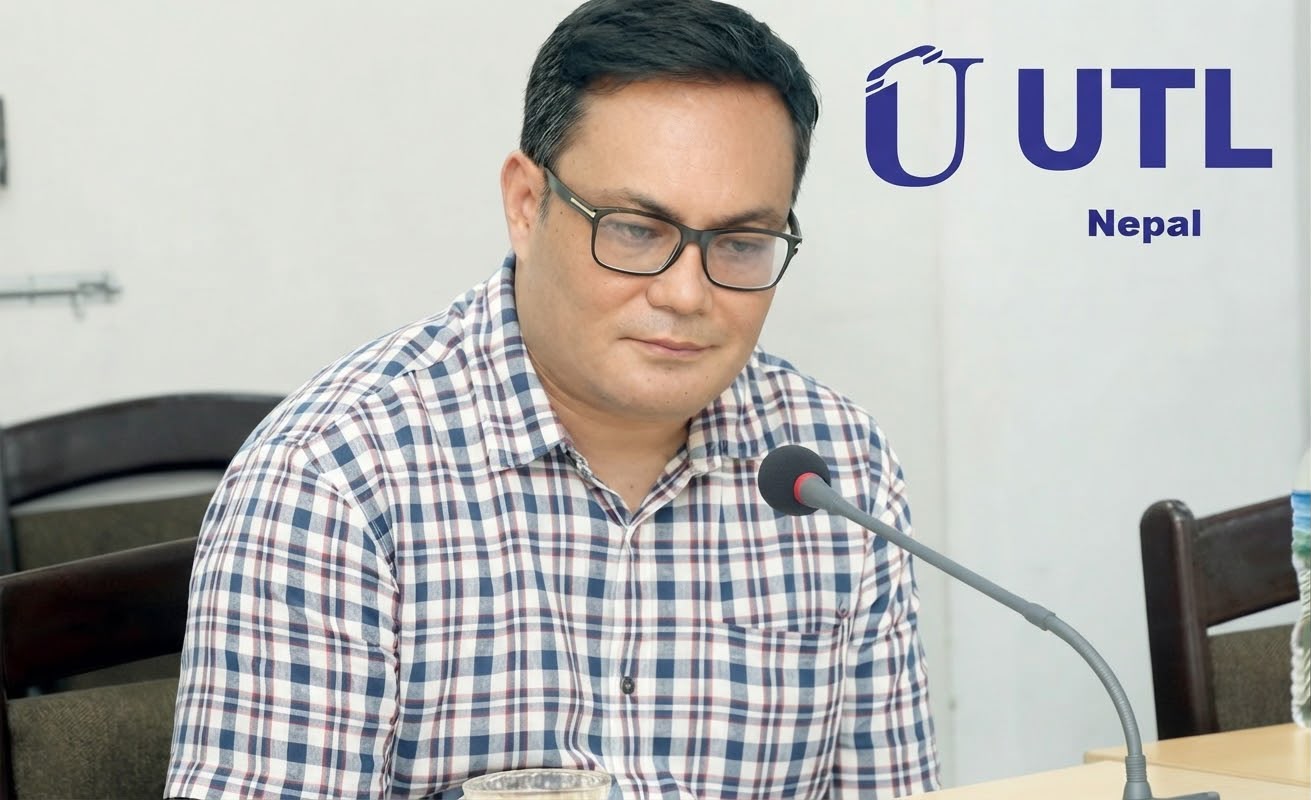
The company is also seeking relief from penalties and interest accumulated on its outstanding obligations, sources said. Raj Bahadur Singh, UTL’s Nepali partner through Nepal Ventures Pvt Ltd, has been lobbying officials at the NTA and the Ministry of Communication and Information Technology, promising to clear the company’s liabilities while seeking support for renewal of the licence.
Nepal Ventures, which holds a 20% stake in UTL, has separately proposed bringing Rs 15 billion in foreign debt into Nepal to finance the company. It has sought approval from Nepal Rastra Bank for the proposed borrowing, with a copy of the application sent to the NTA. The proposed financing is being presented as part of a plan to revive UTL’s operations.
UTL has proposed paying around Rs 13 billion initially and settling the remaining liability in 10 instalments. The company has reportedly proposed making the first payment within one month of receiving approval for the foreign borrowing.
The proposed financing, however, does not resolve the company’s regulatory record. Under Nepal’s telecommunications laws and licence conditions, an operator seeking renewal is required to meet its outstanding financial obligations and pay the applicable renewal charges within the prescribed period. UTL has applied for renewal, but its accumulated dues have not yet been settled.
UTL’s track record raises questions about the credibility of its revival plan. The company has remained largely inactive for years while accumulating substantial regulatory and financial liabilities. Its previous failure to fulfil licence-related obligations has also raised concerns over whether the company and its promoters have demonstrated sufficient financial and operational credibility to undertake another long-term telecom venture.
The latest proposal in central bank and cc to NTA is therefore heavily dependent on two unresolved factors: securing renewal of the licence and finding new financing to meet liabilities that have accumulated over years. So far, the proposed Rs 15 billion foreign borrowing is an intended source of financing rather than demonstrated fresh capital already committed to the company. Questions also remain over the source, terms and certainty of the proposed investment, as well as whether it would be sufficient to restart a telecom operator that has been inactive for such a long period.
The issue is therefore not simply whether UTL can bring in new investment, but whether its promoters have a credible, fully funded and verifiable plan to clear past obligations and sustainably operate the licence. Renewing the licence before resolving those concerns could create a precedent in which prolonged non-compliance is followed by a fresh financing proposal aimed primarily at preserving the licence rather than demonstrating the capacity to fulfil its conditions.