

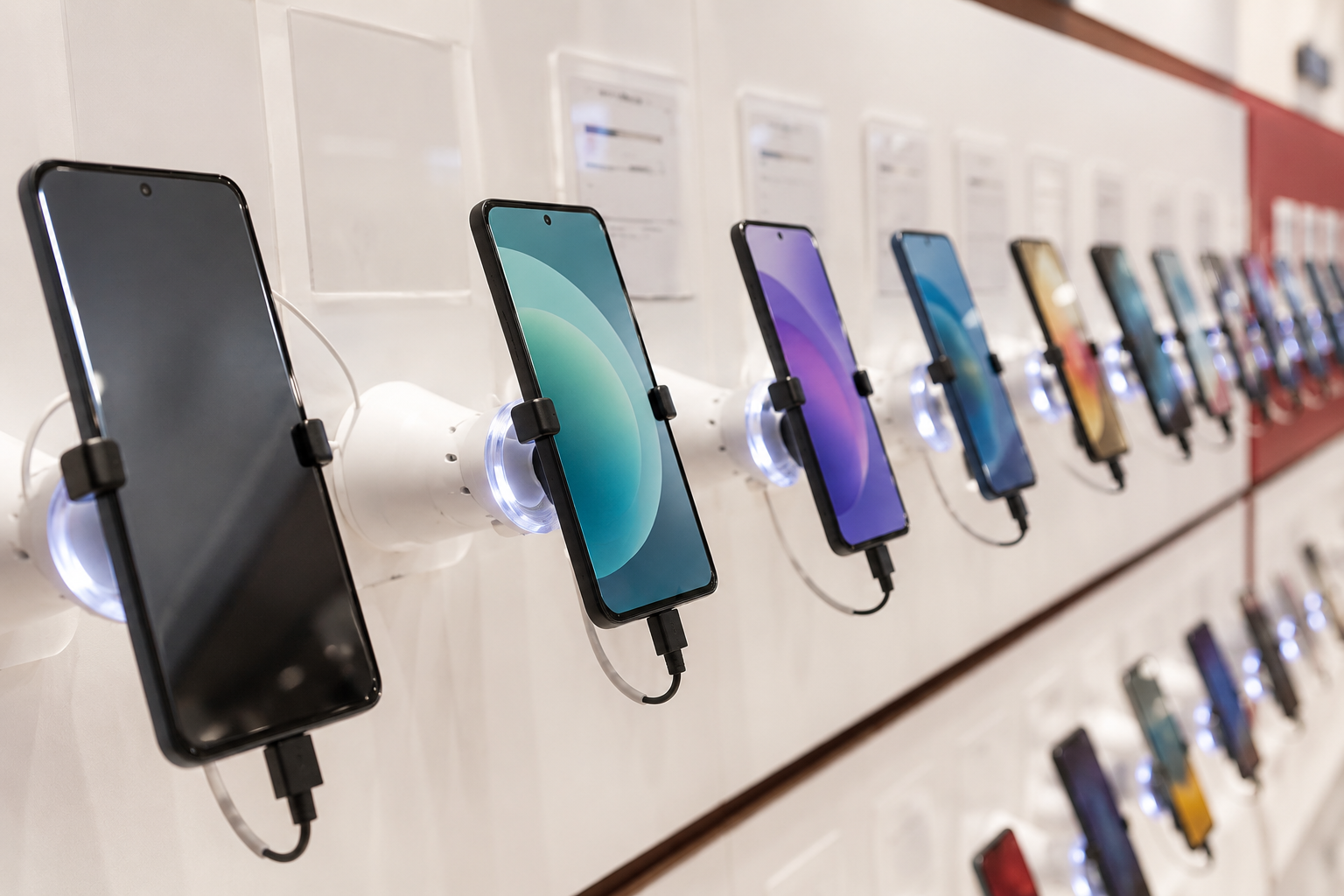
KATHMANDU: Nepalis spent an estimated Rs. 67.17 billion on mobile phones over the past year, as the country imported 2.27 million mobile handsets during the fiscal year 2025/26 (FY 2082/83 BS). The total estimated retail market value of these devices exceeded NPR 68 billion, highlighting the growing demand for smartphones in Nepal.
According to annual data released by the Department of Customs, Nepal imported 2,267,419 mobile handsets during the fiscal year. The declared customs value of these imports stood at Rs. 48.69 billion, while the government collected Rs. 9.08 billion in revenue from mobile imports during the same period.
Average smartphone value reaches Rs. 30,000
The figures indicate that the average market value of a mobile phone imported into Nepal is approximately NPR 30,000. In practical terms, this suggests that the average Nepali smartphone user owns a device worth around that amount.
The market, however, spans a wide price range-from entry-level smartphones priced around NPR 10,000 to premium models such as Apple’s latest iPhones costing over Rs. 250,000. Despite this variation, the average retail value across all imported handsets remains close to Rs. 30,000.
Mobile retailers say that smartphones priced between NPR 25,000 and Rs. 35,000 currently dominate sales in Nepal, making them the most popular segment in the market.
Import Taxes Push Retail Prices Higher
The customs value declared at the time of import represents only the base cost of mobile phones. Additional taxes and supply-chain markups significantly increase the final retail price before the devices reach consumers.
Industry representatives estimate that by the time imported phones pass through importers, wholesalers, retailers, and distributors, their prices rise by around 40 percent over the original customs value.
The government levies a 13 percent Value Added Tax (VAT) and a 5 percent excise duty on mobile phone imports. In addition, importers are subject to a 0.65 percent VAT-related payment, bringing the total tax burden on imported mobile phones to approximately 18.65 percent.
Besides government taxes, importers and sellers maintain an average 5.5 percent profit margin, while additional markups are added at wholesale and retail levels before the products reach end users.
According to the Mobile Importers Association, these combined taxes and commercial margins increase the final selling price by nearly 40 percent. As a result, mobile phones imported at a customs value of Rs. 48.69 billion ultimately translate into a retail market worth more than Rs. 68 billion, with approximately Rs. 19.47 billion added through taxes and distribution margins.
Fewer phones, but higher import value
Although Nepal imported fewer mobile phones than in previous years, the total import value has reached a record high.
The highest number of mobile phones entered Nepal during FY 2021/22 (2078/79 BS), when 5.59 million handsets were imported in a single year. However, the total customs value at that time was only around Rs 38 billion, largely because feature phones accounted for a significant share of imports.
Today, feature phones have increasingly been replaced by smartphones. Consequently, while the total number of imported devices has declined, the average value of each handset has risen substantially.
The latest data suggests that Nepali consumers are increasingly opting for higher-priced and premium smartphones, driving import values to their highest level despite lower shipment volumes.
Digital growth comes with economic challenges
The continued rise in smartphone imports reflects Nepal’s ongoing digital transformation and growing reliance on mobile technology. Smartphone adoption accelerated rapidly following the COVID-19 pandemic, particularly after FY 2020/21 (2077/78 BS), and that momentum has continued.
Experts attribute the sustained demand to expanding internet access, the rise of online education, digital banking, e-commerce, and the growing influence of social media. Smartphones are increasingly viewed not as luxury items but as essential tools for communication, work, education, and everyday life.
While the surge in smartphone usage is considered a positive indicator of Nepal’s digital progress, the large outflow of foreign currency required for imports remains a significant concern for the country’s economy.
Industry stakeholders argue that encouraging local mobile phone assembly plants could help reduce Nepal’s growing trade deficit while supporting domestic manufacturing and creating employment opportunities.