

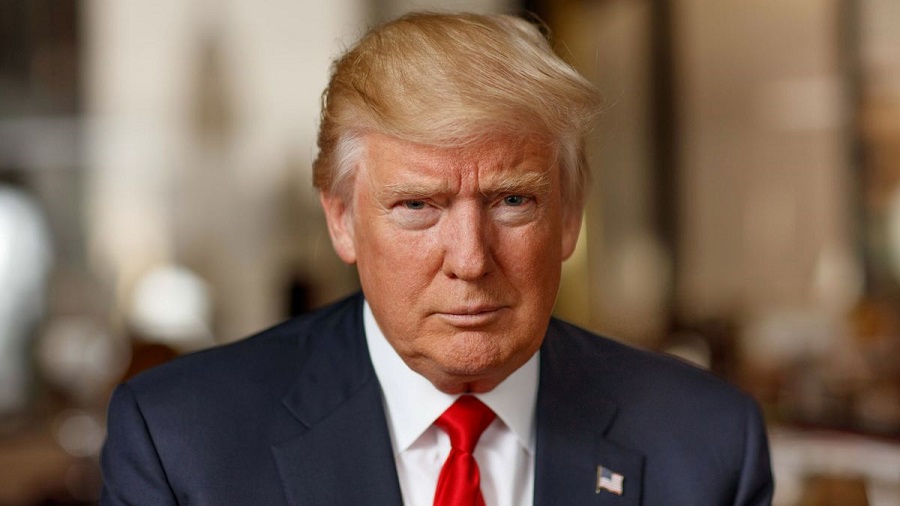
KATHMANDU: US President Donald Trump has warned that the United States may halt diesel exports as global supply pressures and price volatility intensify. Alongside this potential move, the US has pressured European nations to release their strategic diesel reserves into the market.
US Treasury Secretary Scott Bessent stated that European partners must provide such supplies immediately, arguing that American farmers, transport businesses, and other sectors should not be the only ones bearing the burden of rising fuel costs.
The US is a significant global supplier of diesel, exporting approximately 1.2 million to 1.5 million barrels daily. While a potential export ban could boost domestic supply and provide relief to American consumers, energy experts warn that it would reduce global availability and likely cause prices to surge further.
President Trump noted over the weekend that he is seriously considering the export ban, while also suggesting that European nations should release a portion of their stockpiles.
European countries are preparing for the potential fallout. On Thursday, the UK held discussions with European partners regarding the possible release of strategic diesel reserves. In the UK, diesel prices recently reached a record high of 199.79 pence per litre. Despite the pressure, the British government stated that there is no immediate shortage of diesel, though it acknowledged that global market dynamics could drive prices higher.
The global diesel supply chain remains complex due to factors involving China and Russia. Reports indicate that Chinese refineries restricted some petroleum product exports in October to prioritize domestic demand, while sanctions on Russian diesel continue to strain international supply.
Furthermore, disruptions at the Strait of Hormuz have exacerbated volatility in oil and fuel prices. David Fyfe, chief economist at Argus Media, warned that an American export ban could cause international diesel prices to rise sharply. Given the high reliance on diesel in the transport and agricultural sectors, energy market analysts suggest the impact of the current supply strain is unlikely to diminish soon.