
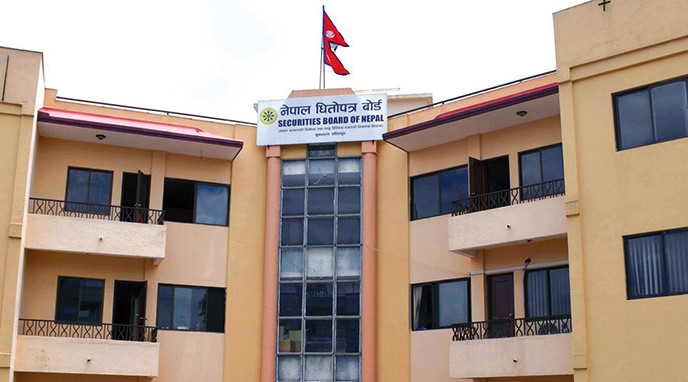
KATHMANDU: The Securities Board of Nepal (SEBON) has proposed stricter regulations for initial public offerings (IPOs) to ensure better corporate governance.
The draft ‘Directive on General Qualifications for Public Offerings, 2026’ introduces rigorous requirements for corporate entities and their leadership regarding IPO issuance and the utilization of funds.
Under the proposed directive, companies must be duly registered, have a track record of business operations, completed audits, and hold all necessary permits.
Organizations must have a clear plan for the use of proceeds approved by their general meetings. Furthermore, the draft mandates a ‘fit and proper’ test for founding shareholders, directors, and key management personnel to ensure they meet professional standards.
Companies will be required to maintain an official website disclosing at least three years of financial reports, business prospects, future plans, and the qualifications and investment details of their leadership.
Once the directive is effective, companies will be prohibited from altering their capital structure without SEBON’s approval.
The regulator also plans to determine minimum business operation periods based on sector-specific risks and capital structures.
The draft includes provisions to block IPO applications for companies undergoing dissolution or bankruptcy, or those where auditors have expressed serious doubts regarding business continuity.
Strict measures are also proposed against entities or individuals convicted of securities fraud, financial embezzlement, money laundering, or corruption. Such individuals will be barred from public offerings if they have not completed their sentences or a three-year period following their conviction, or six months after being removed from a blacklist.
Regarding fund utilization, companies must use proceeds strictly for the purposes approved in their prospectus. Using funds for regular operating expenses or unauthorized investments will be prohibited. All proceeds must be deposited in a separate bank account, with detailed records maintained for every transaction.
Companies must implement robust internal control systems, with quarterly and annual reports on fund usage submitted to SEBON. The audit committee will be required to conduct independent reviews of these expenditures to ensure transparency and accountability.