


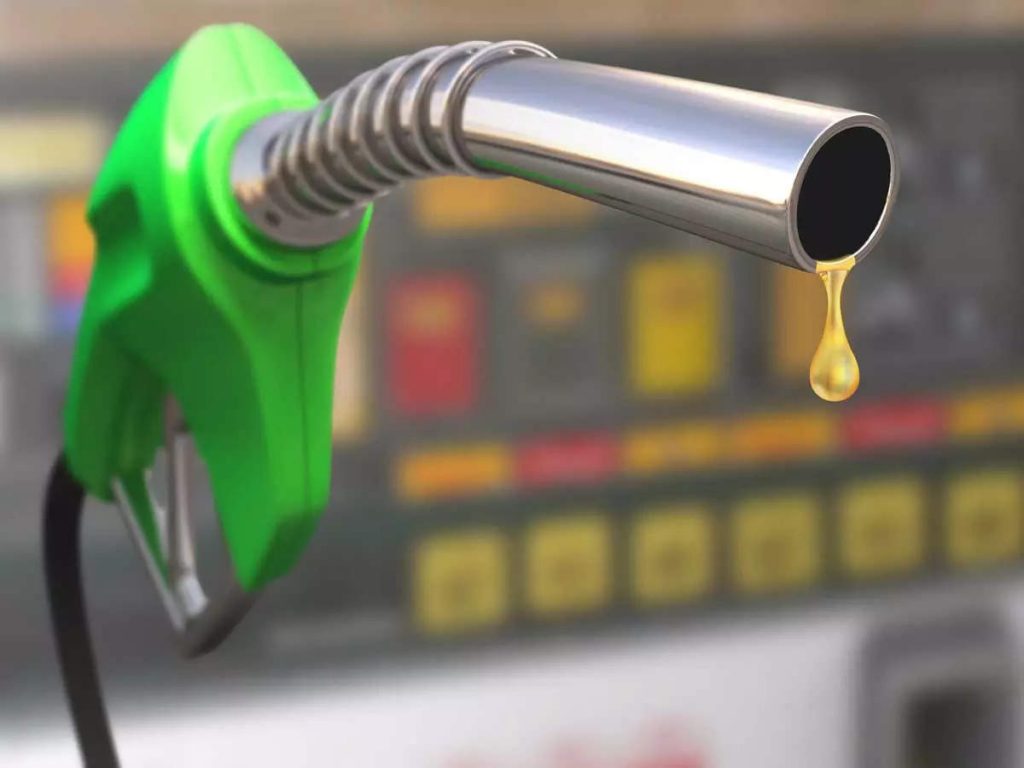
KATHMANDU: High gasoline prices in the United States, driven by the conflict with Iran and disruptions to crude oil shipments through critical maritime routes, are straining household budgets and forcing families to alter travel plans. The national average price for regular gasoline has reached 4.14 dollars per gallon, an increase of nearly one dollar compared to last year. While this surpasses the 3.82 dollars per gallon record set in 2012, it remains below the all-time high of 5.02 dollars per gallon recorded in June 2022.
The surge in costs is directly impacting American travel habits. Nicole Collins, a resident of Pennsylvania, noted that the rising expense of fuel has forced her family to reduce travel during the summer. She explained that with a young child, the added fuel costs have placed significant pressure on the family budget, limiting their ability to visit friends in South Carolina.
The price hike follows attacks on Iran in February, which disrupted operations in the Strait of Hormuz, a vital artery for global oil transport. Energy finance expert Tom Seng stated that the current price volatility is linked to the conflict and the instability of this shipping lane. Any obstruction in the Strait of Hormuz, which facilitates a large portion of global oil supply, has an immediate impact on international markets.
U.S. Energy Secretary Chris Wright said the government is exploring all possible measures to lower prices, though he provided no specific timeline for relief. Beyond personal travel, the increase in fuel costs is raising logistics and transportation expenses for goods across the country. As freight costs rise, the burden is likely to be passed on to consumers, contributing to broader inflationary pressure. Analysts suggest that unless the conflict and maritime disruptions are resolved, American consumers may continue to face high energy costs for the foreseeable future.