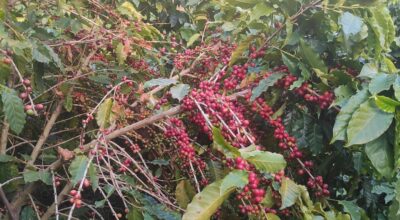


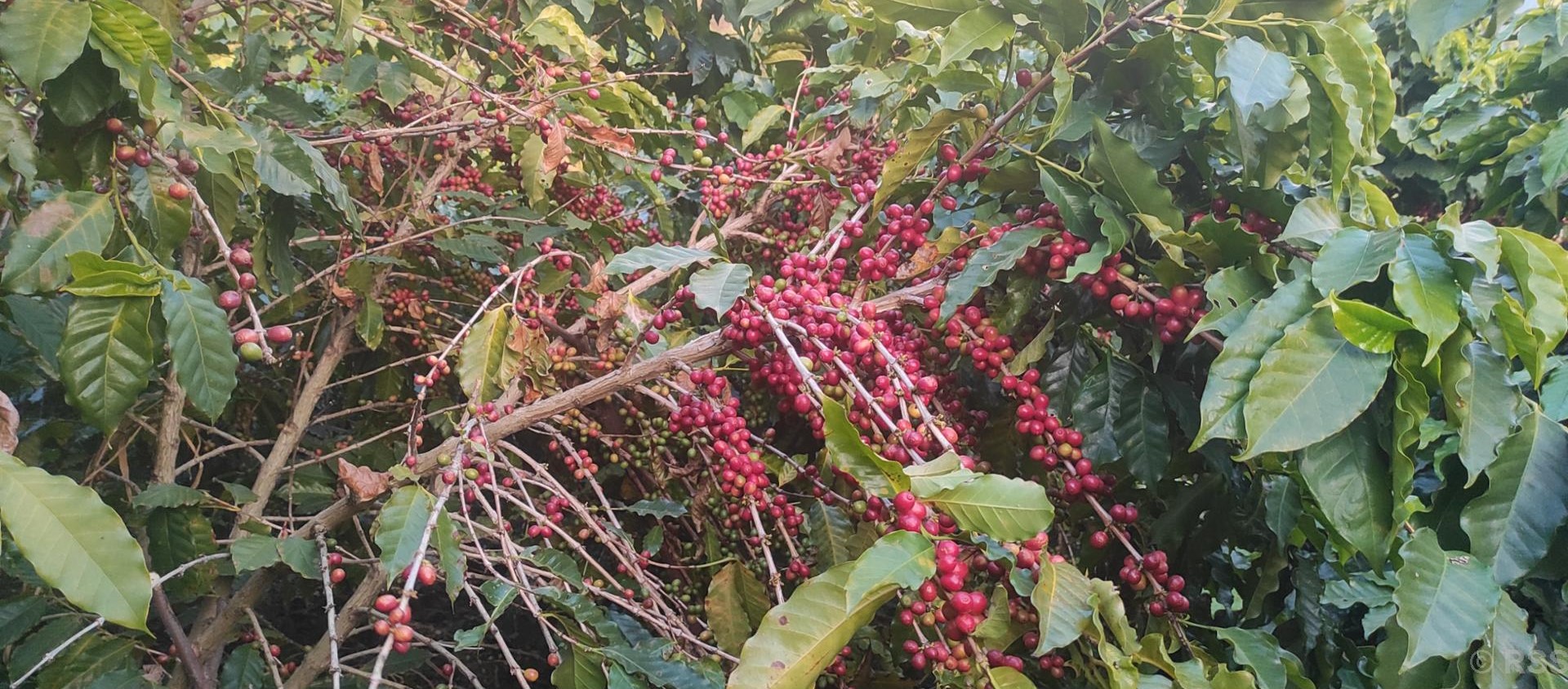
KATHMANDU: Commercial coffee farming is expanding across Nepal’s mid-hills, providing a significant boost to the rural economy. With favorable soil and climate conditions for the Arabica variety, farmers are increasingly shifting toward coffee production to generate income and employment.
According to the National Tea and Coffee Development Board, coffee is now cultivated across 5,501.05 hectares in more than 43 districts. In the 2024/25 fiscal year, green bean coffee production reached 641.90 metric tons.
Kavrepalanchok district remains the leader in the sector, producing 121 metric tons from 497 hectares. Local governments in Kavre have introduced initiatives to incentivize farmers. The Mahabharat Rural Municipality has launched a campaign providing Rs 20 per plant to encourage new cultivation and conservation, distributing over 566,500 saplings since the 2020/21 fiscal year.
Similarly, Khanikhola Rural Municipality has adopted a production-based grant policy, providing Rs 35 per kilogram to farmers based on their output. Tulsi Ram Dhital, a member of the Central Coffee Producers Cooperative Association, noted that while the potential is high, there is a need to improve technology, processing facilities, and market access to ensure sustainable income for farmers. International demand for Nepali coffee is also rising.
During the 2024/25 fiscal year, Nepal exported approximately 63,997.55 kilograms of coffee, valued at over Rs 11.4 million. Germany has emerged as the primary market, accounting for 47.4 percent of total exports. Prices have also seen improvement; for the 2024/25 fiscal year, the price for ‘A’ grade fresh coffee cherry was set at Rs 105 per kilogram, while ‘B’ grade was priced at Rs 95.
Experts suggest that by balancing production costs, quality control, and market access, coffee farming can become a reliable long-term income source for farmers in the hilly regions.